Dental Implants
Tooth loss, whether it be one tooth or many, can drastically affect appearance, function, and quality of life. Whether the loss was a result of poor maintenance, disease, or trauma, the go-to solution is dental implants — artificial teeth that look and function as good or better than your best permanent teeth.
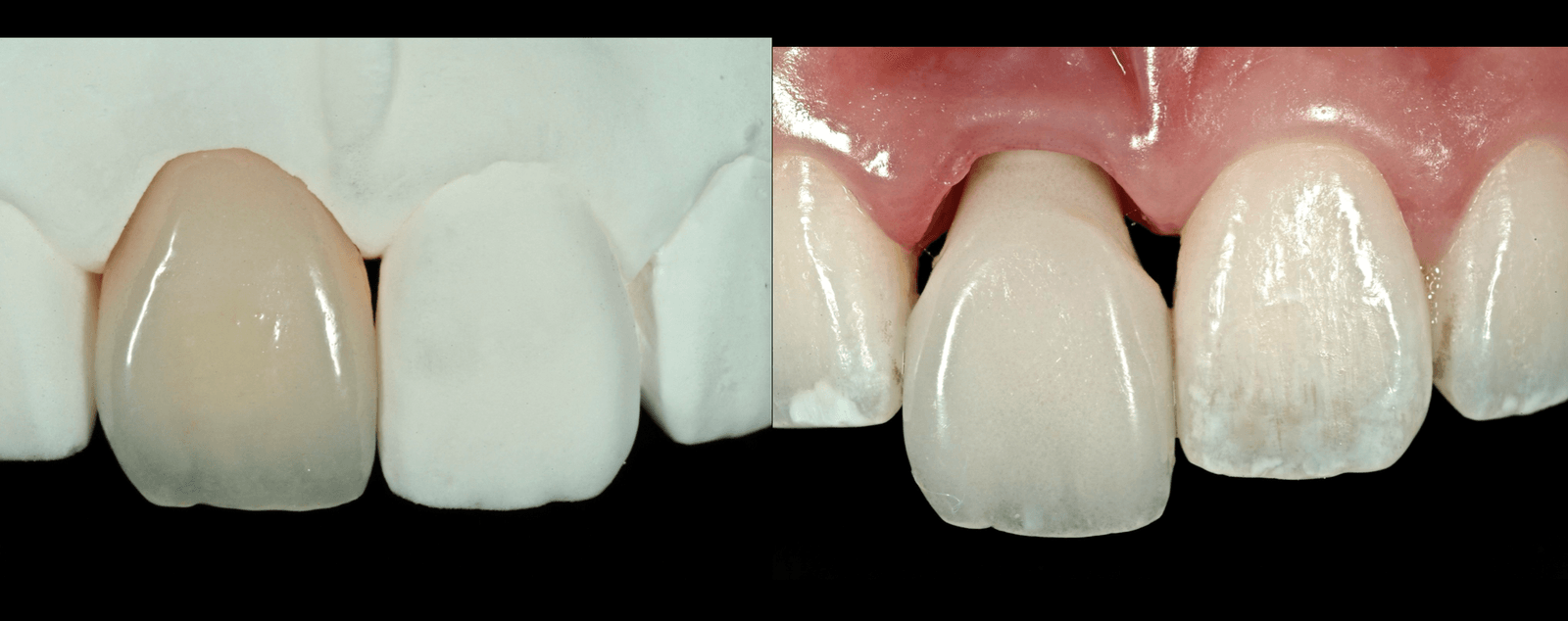
One Tooth. One Implant.
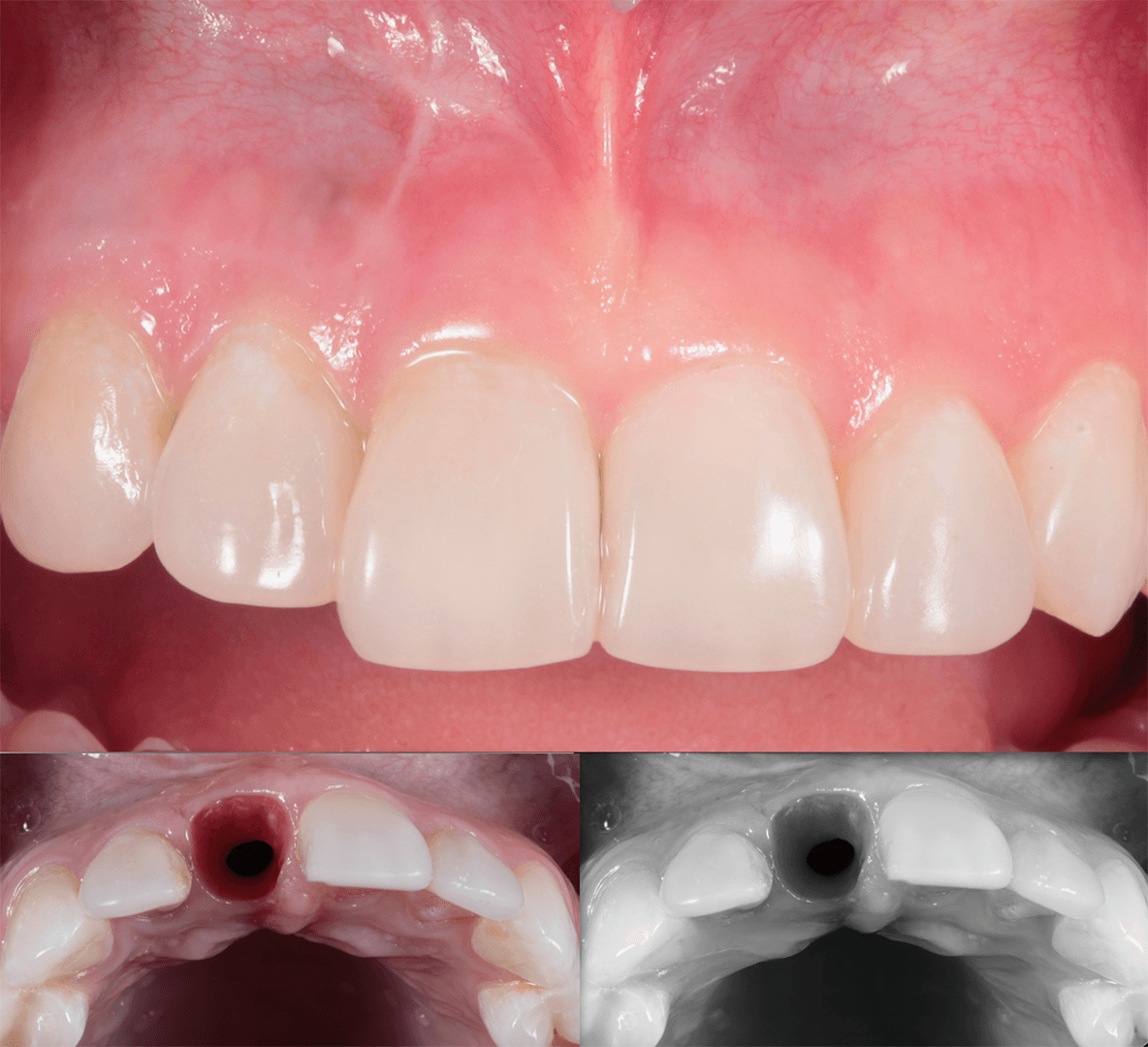
The right central incisor — one of the most demanding procedures in all of dentistry.
Matching the framework to the biology. Preserving and sculpting the soft tissues to prevent recession.
Balancing a single restoration seamlessly into the existing dentition. Introducing harmony — even when the original smile lacks it.
This is where science meets art.
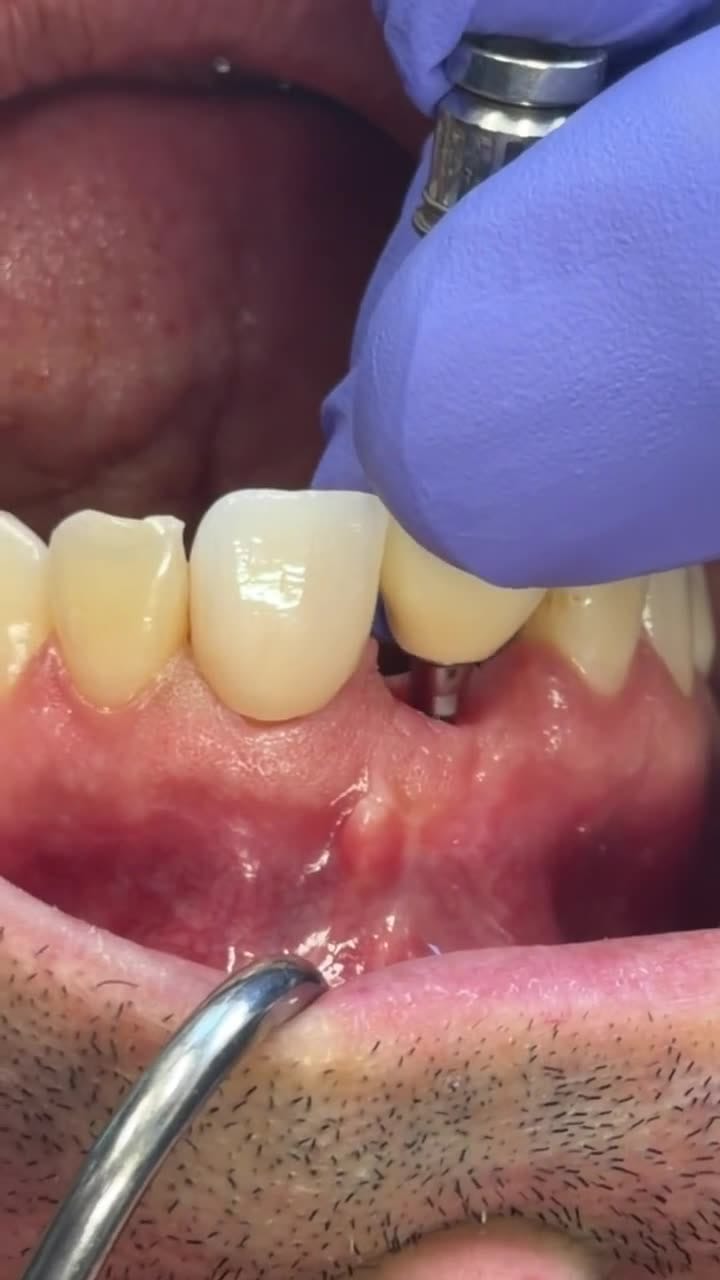
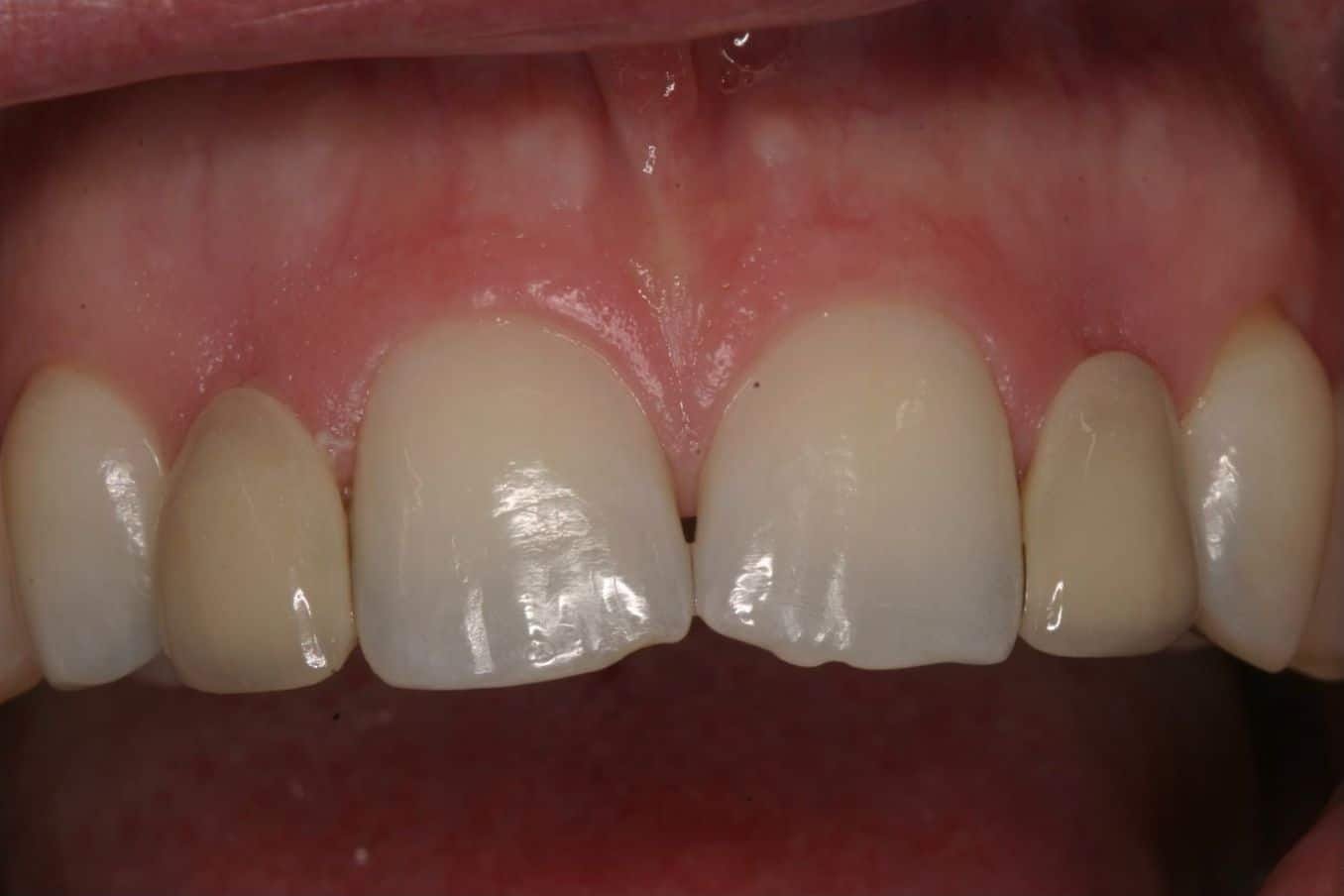
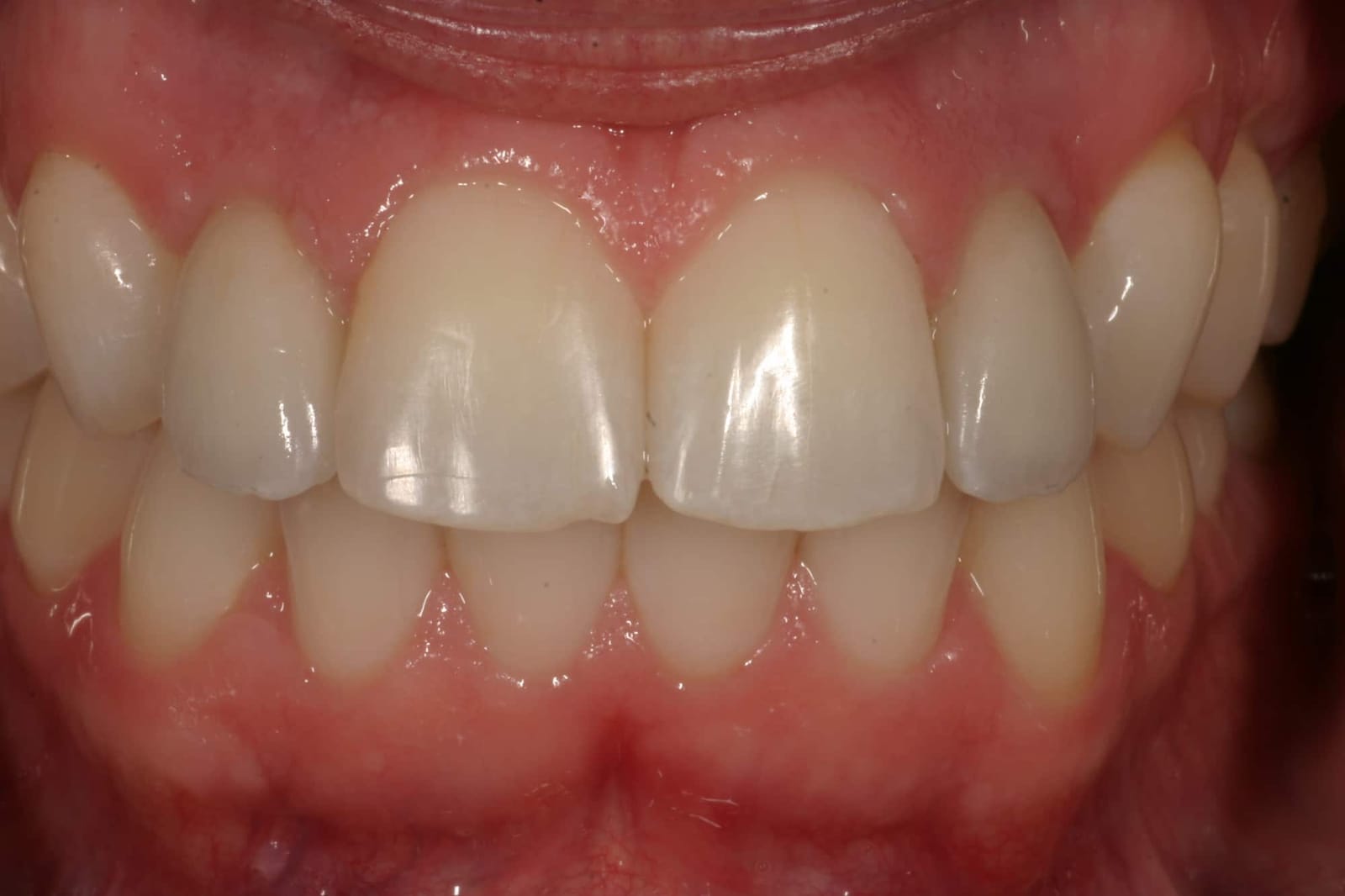
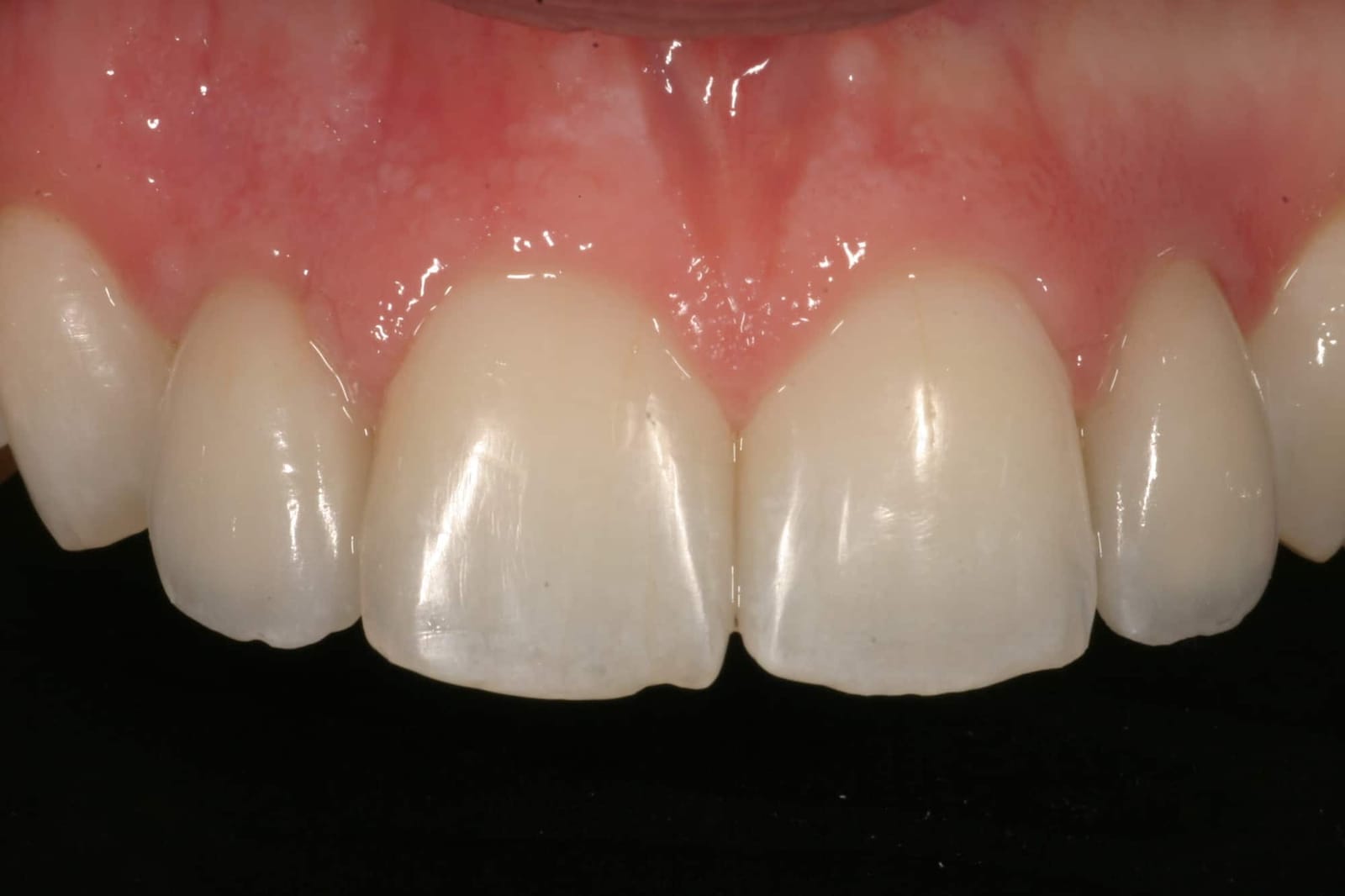
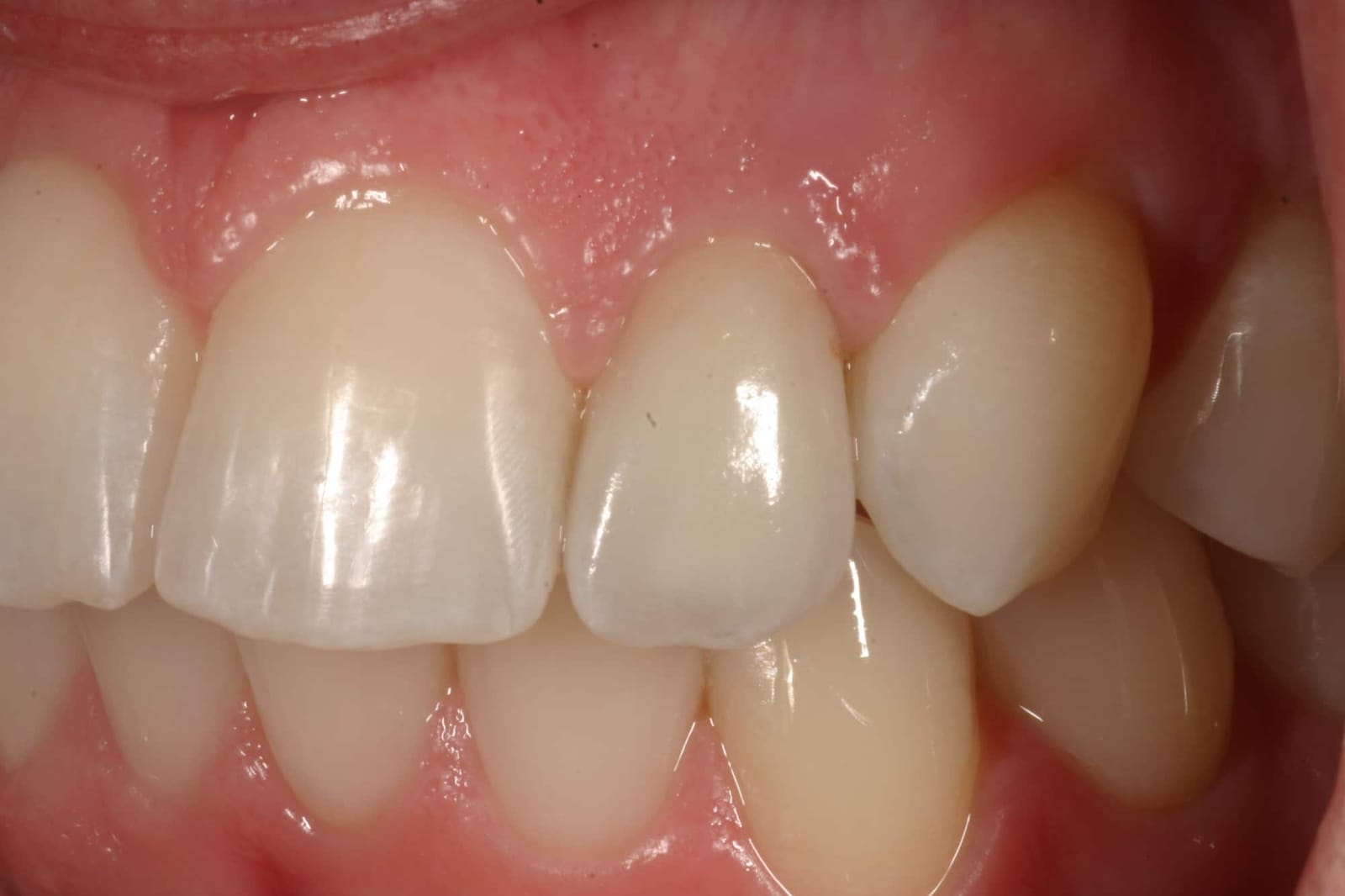
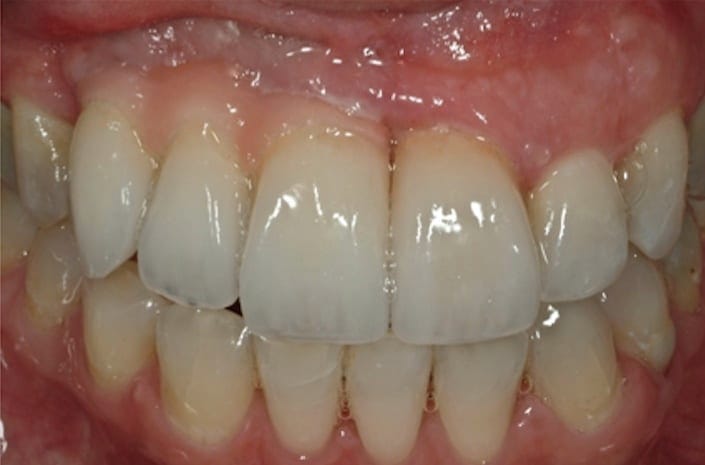
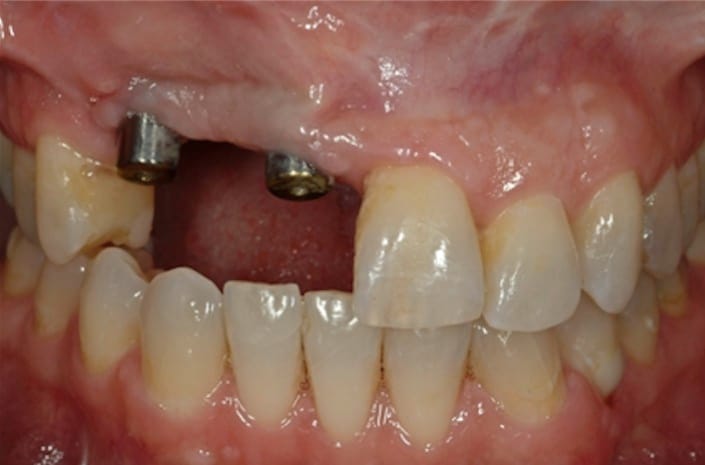
Two Implant Crowns
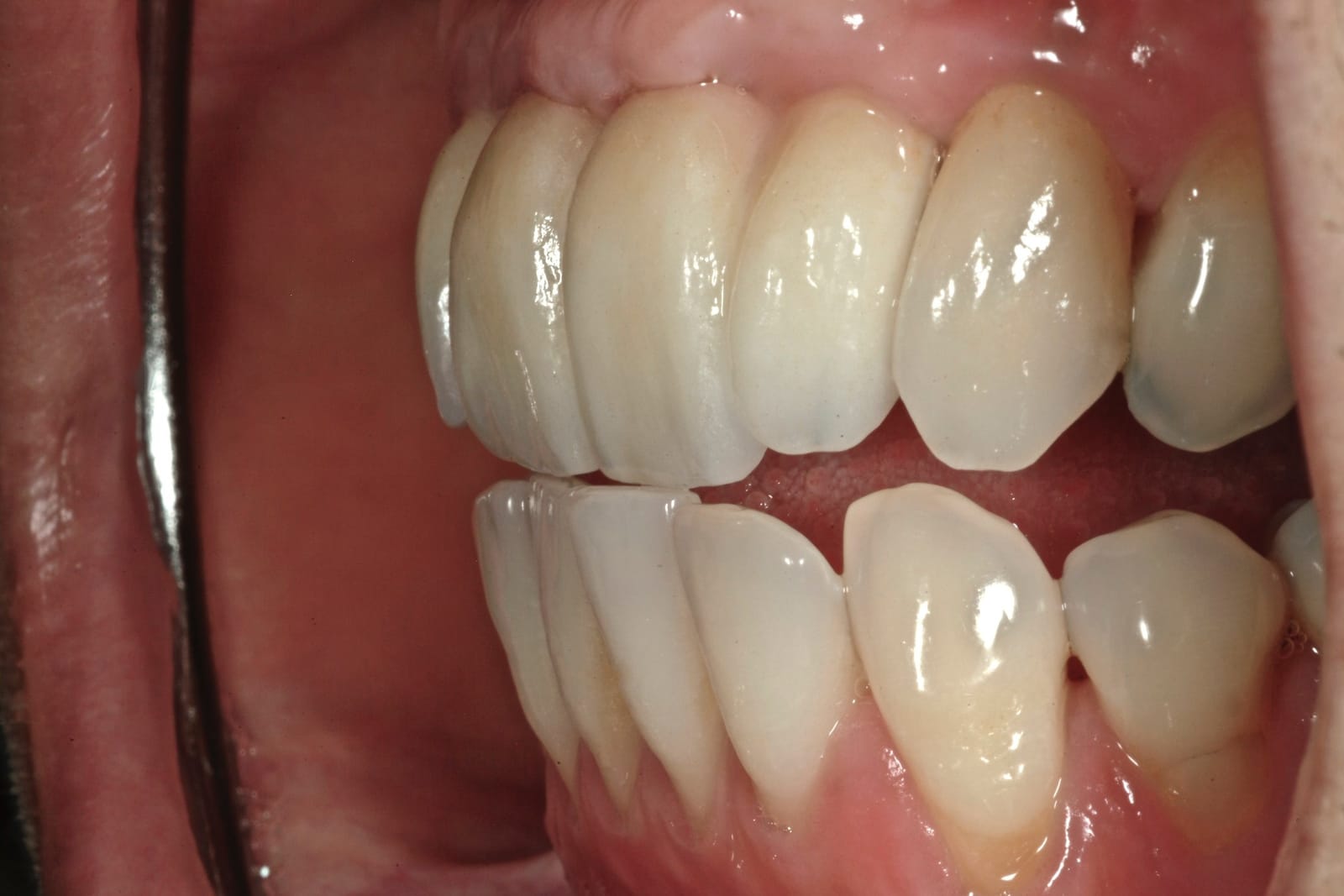
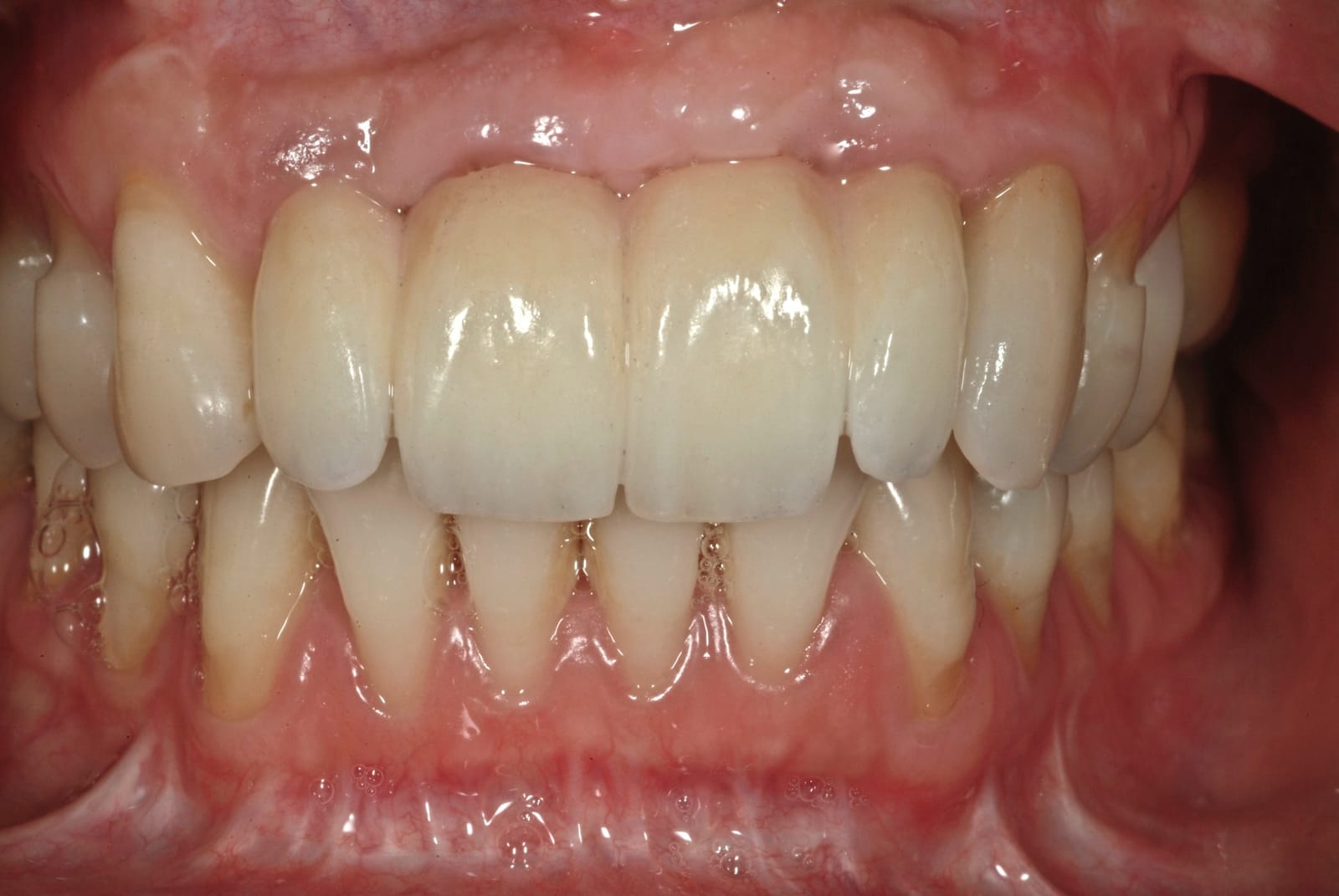
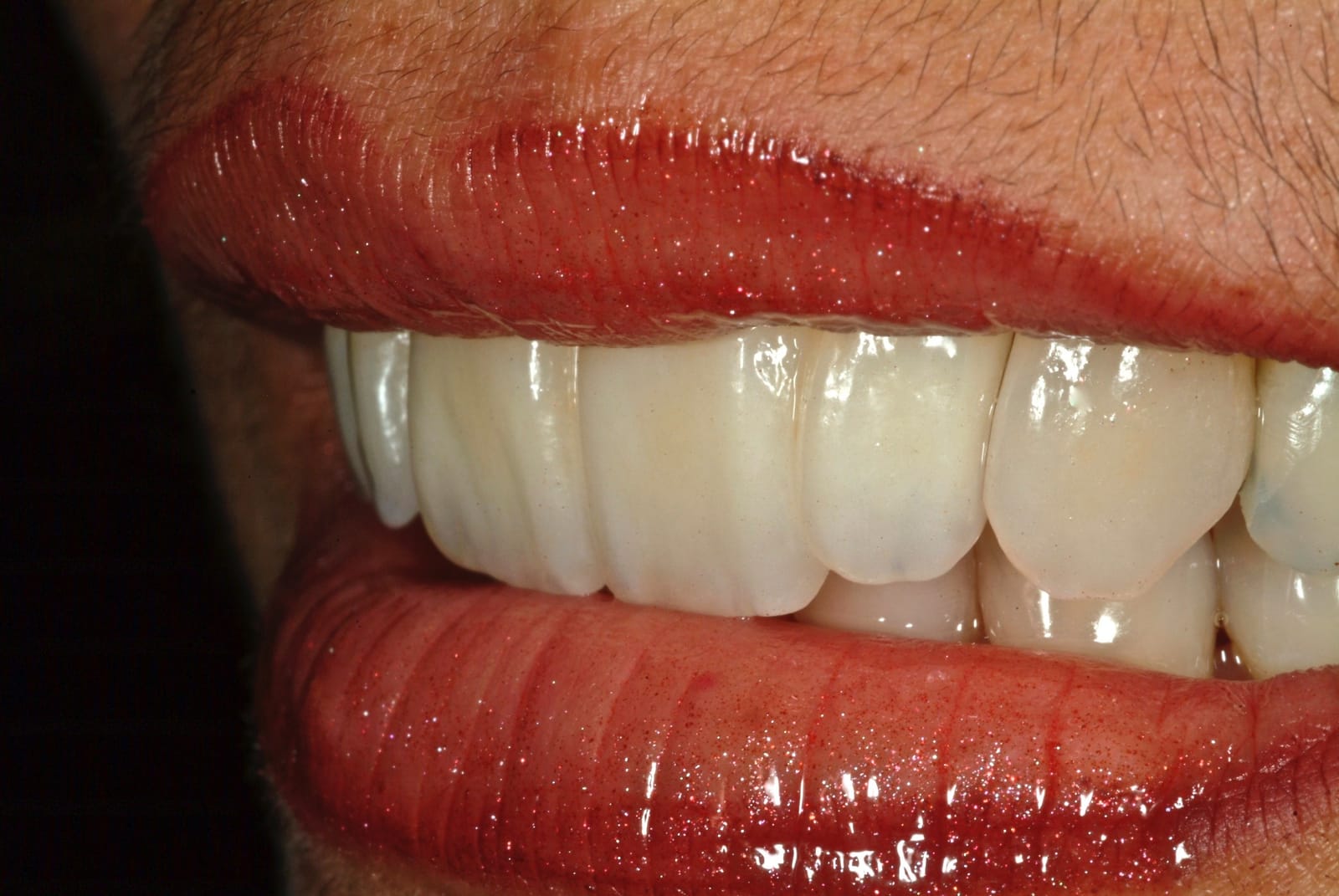
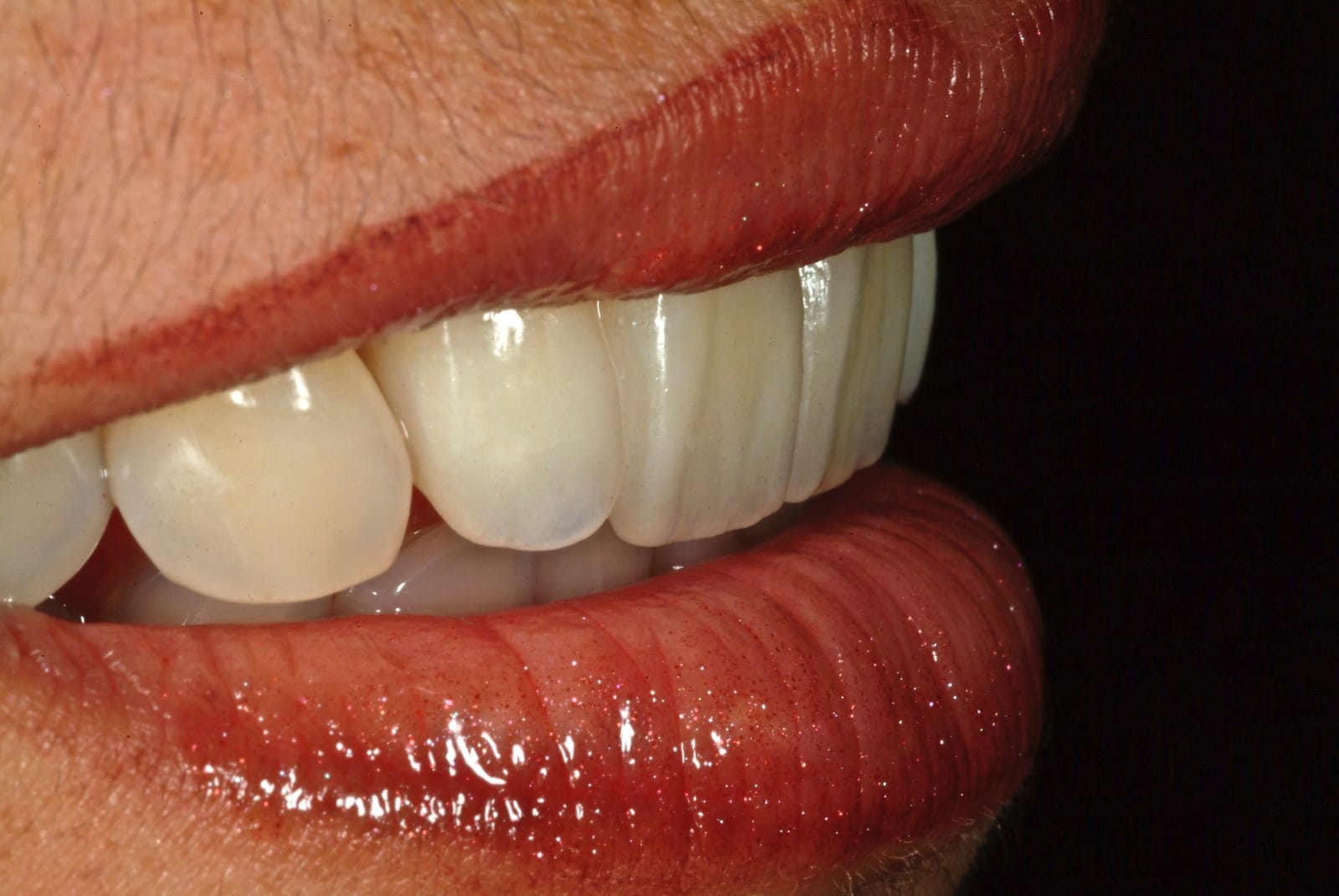
Both upper lateral incisors replaced on implants — the position of the single implant above, twice over. The spaces before; the two crowns after, with the gum closed around them and nothing to say which teeth are the new ones — close, and from either side.
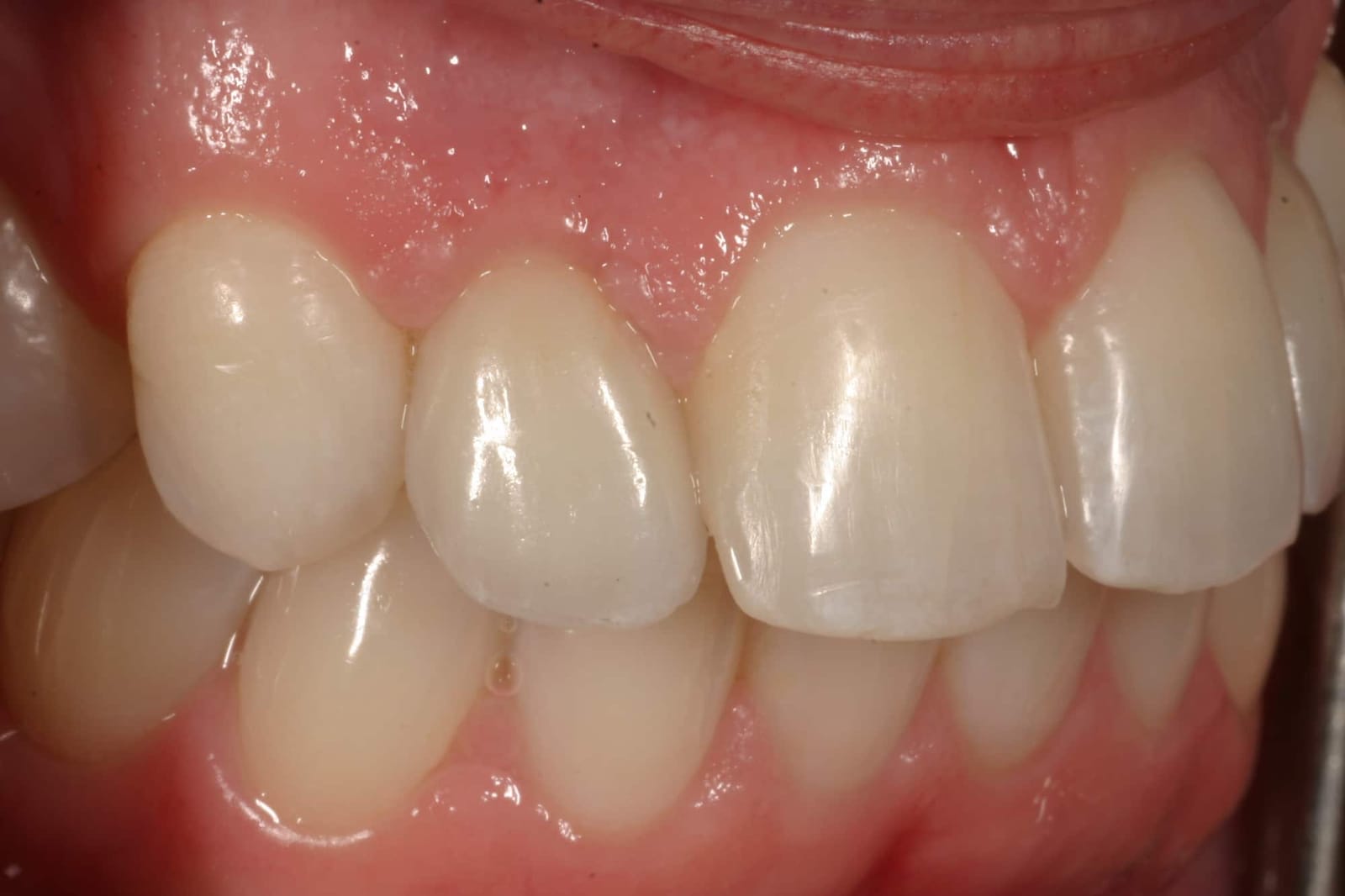
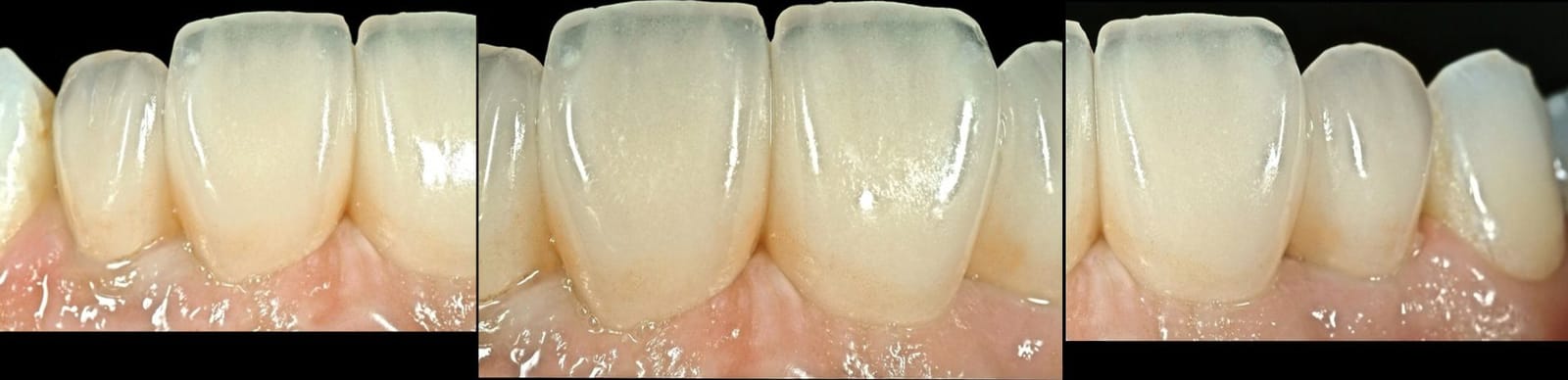
WHAT THE EYE DOESN'T SEE
Where an implant tooth is won or lost
Look at someone's front teeth and you are reading the frame as much as the tooth. If the gum sits higher on one side than the other, if one tooth reads longer than its partner, the eye finds it instantly and keeps going back. No amount of beautiful ceramic rescues a smile framed unevenly.
Which is why the part of an implant restoration that nobody ever sees is the part that decides how it looks.
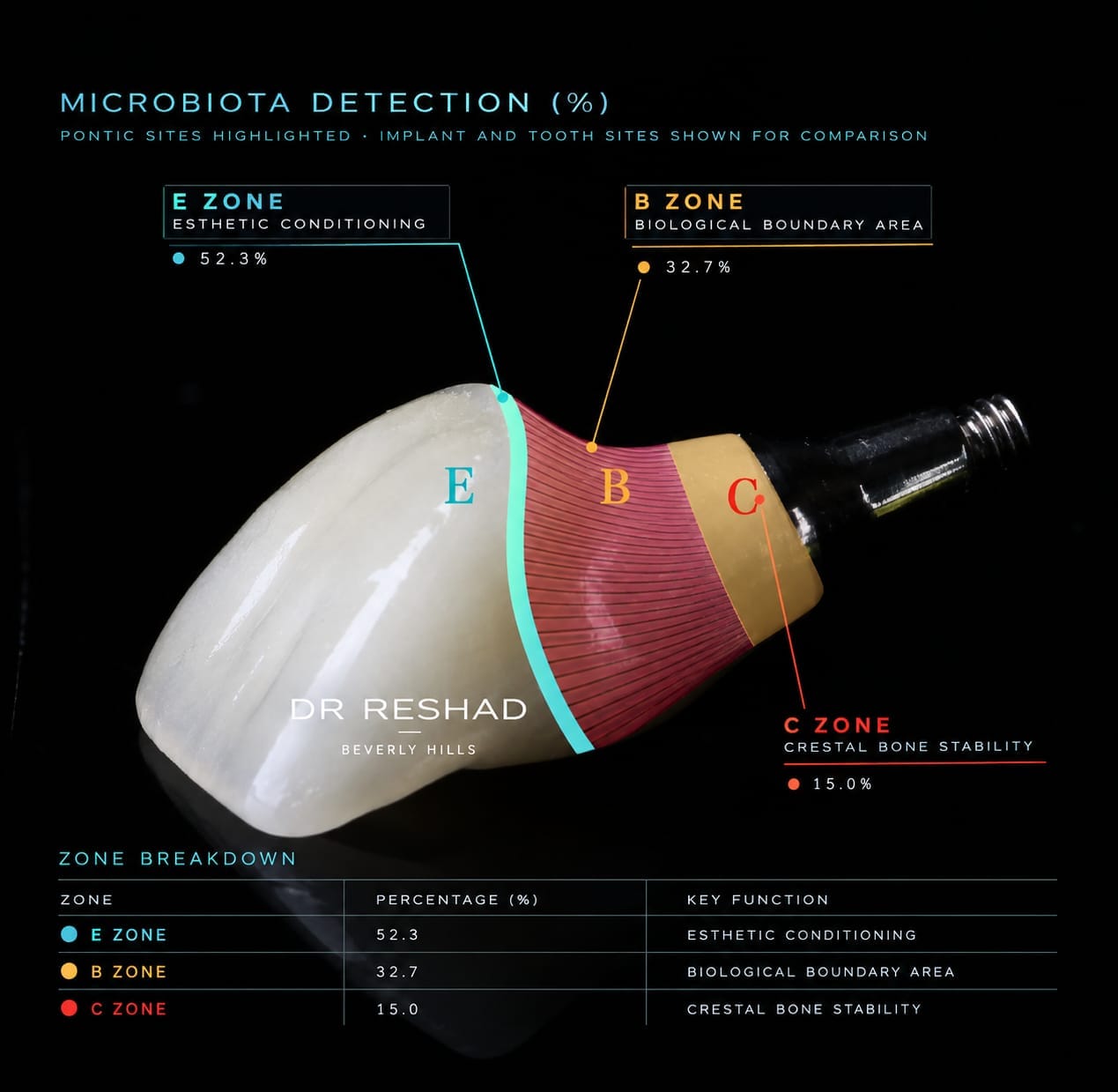
The technique is specific. A concavity is created on the facial surface below the gum line, the area hidden in front of the tooth, so the tissue is supported rather than pushed outward. That shape is what lets the gum sit where it should instead of being displaced by the restoration underneath it.
Then the surface itself. That subgingival zone carries a particular texture, chosen because it encourages tissue to attach rather than to inflame and bleed. Handled correctly, kept uncontaminated, left unglazed, and made in the right material, the gum grips it the way it grips a natural root and simply stays there, stable for decades.
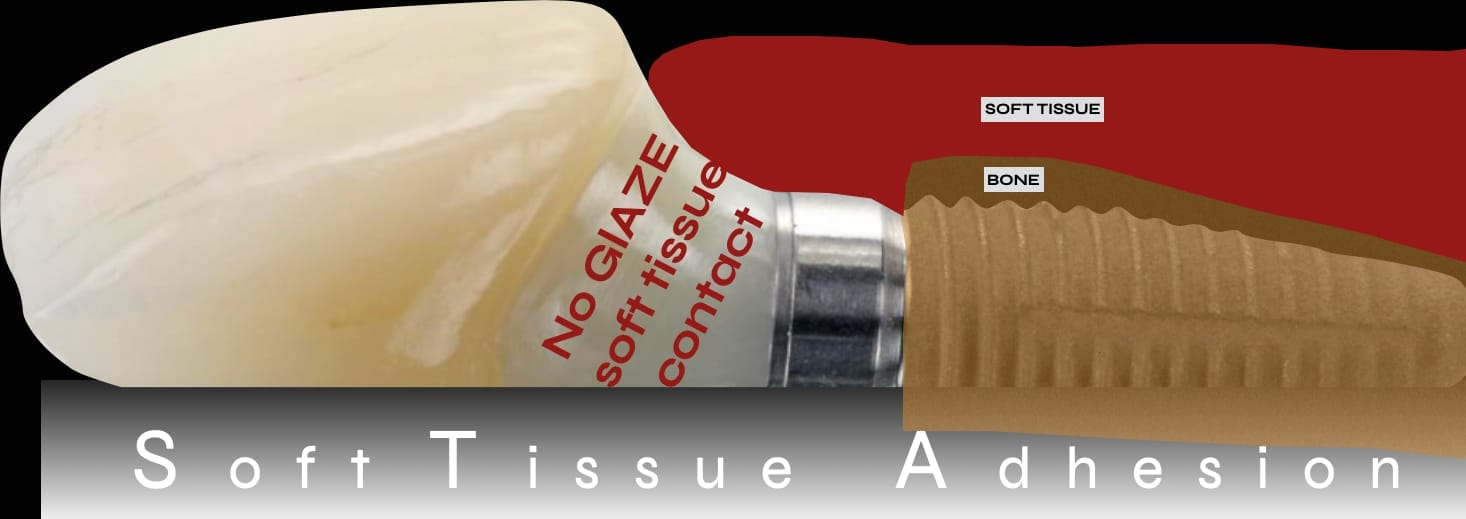
Get that wrong and the tissue recedes, the frame goes crooked, and the tooth is longer than its neighbor for the rest of its life.
This is the science and the art of implant dentistry, and it is years of training spent on a few millimeters nobody will ever photograph. It is also Dr. Reshad's promise: that the teeth you can see are right because everything beneath them was built to be.
Repeatable Excellence in the Most Demanding Position
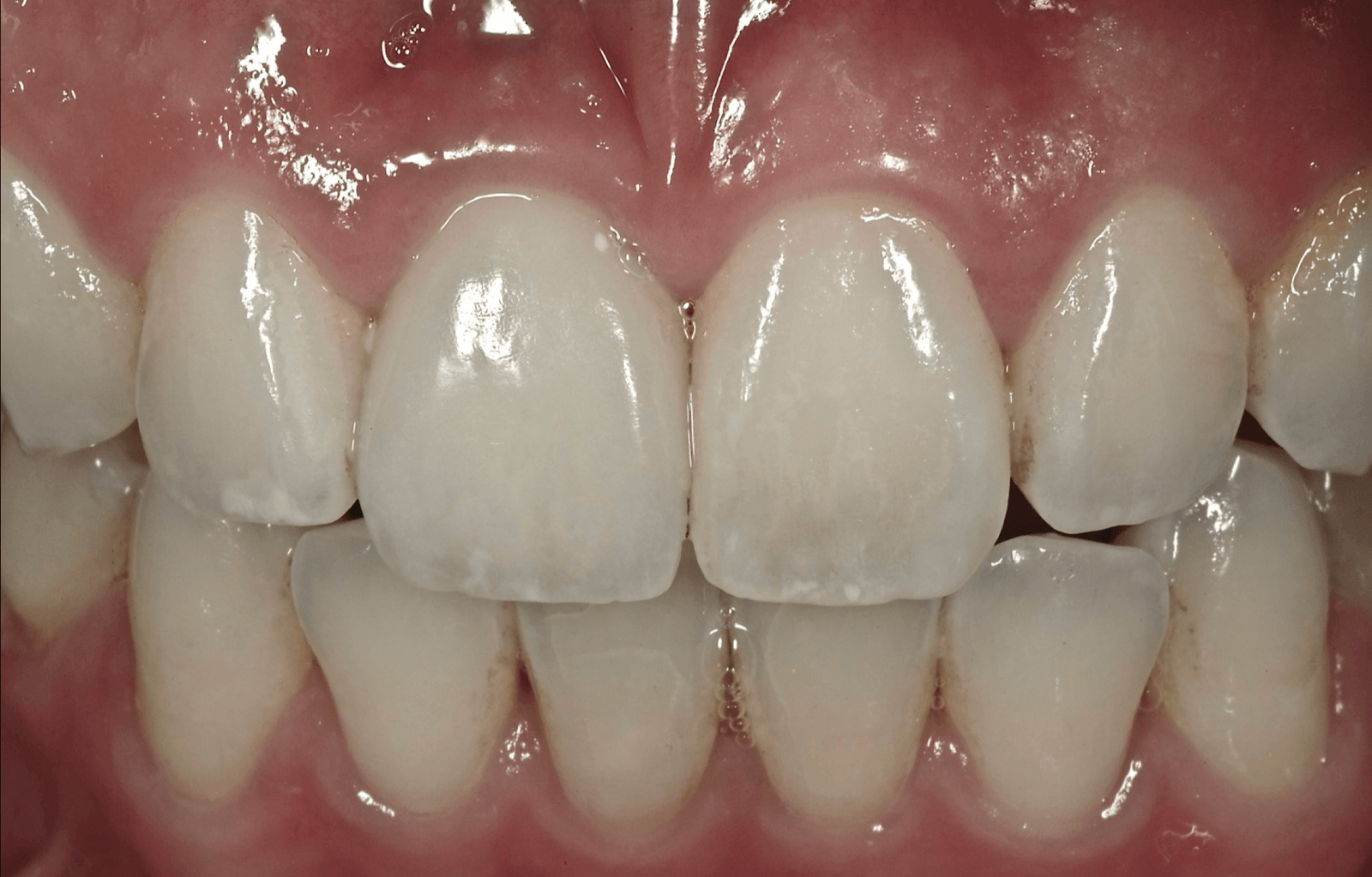
The single central incisor implant is widely considered the most challenging restoration in all of dentistry. Achieving seamless integration demands more than surgical precision — it requires mastery of soft tissue color, texture, and contour so the result is indistinguishable from the natural tooth beside it. Dr. Reshad has demonstrated this outcome consistently, case after case.
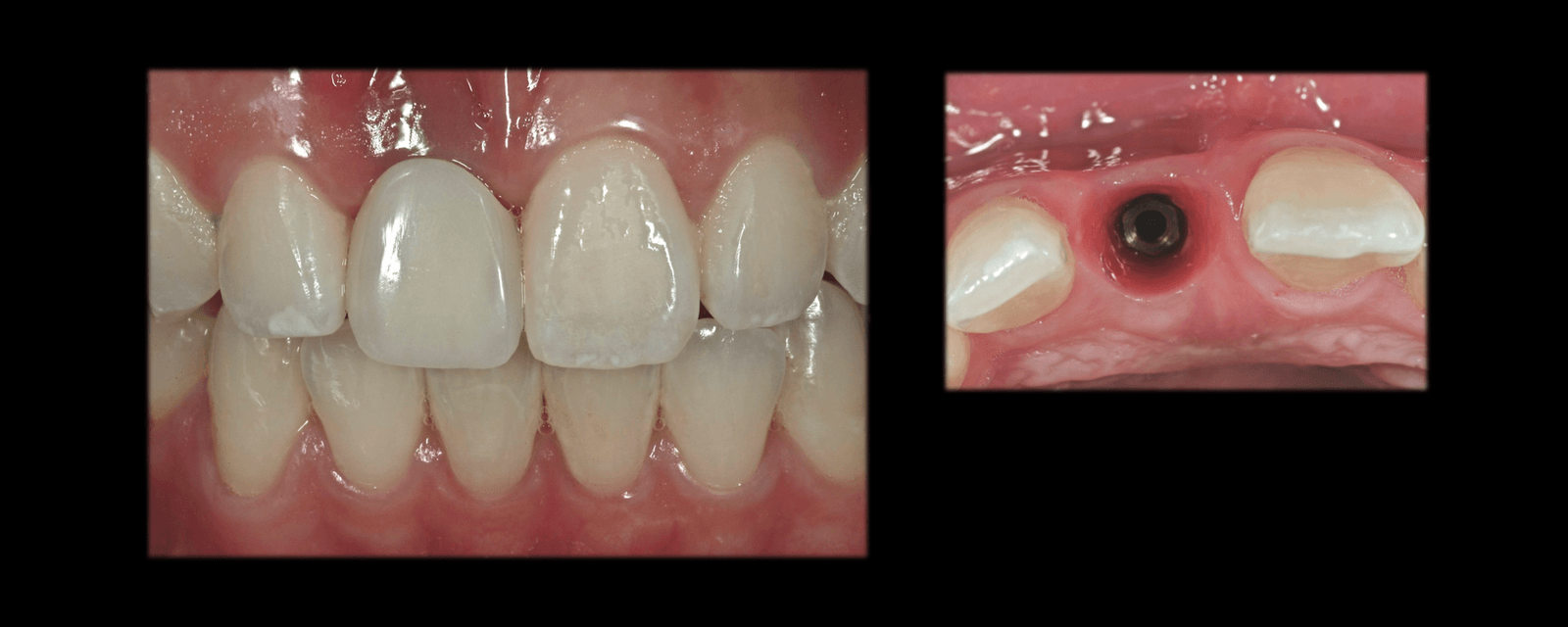
Rebuilding Upper Front Teeth
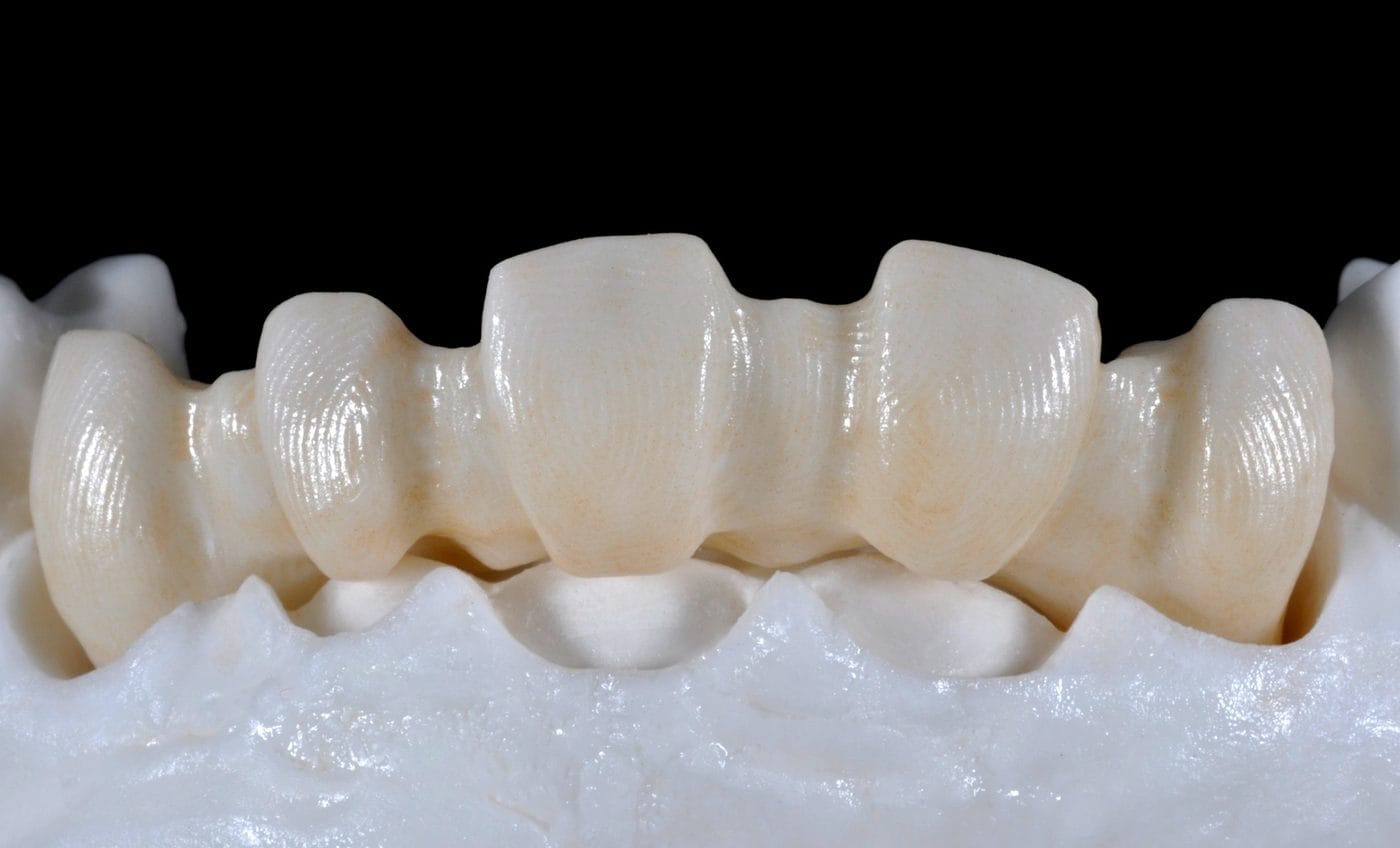
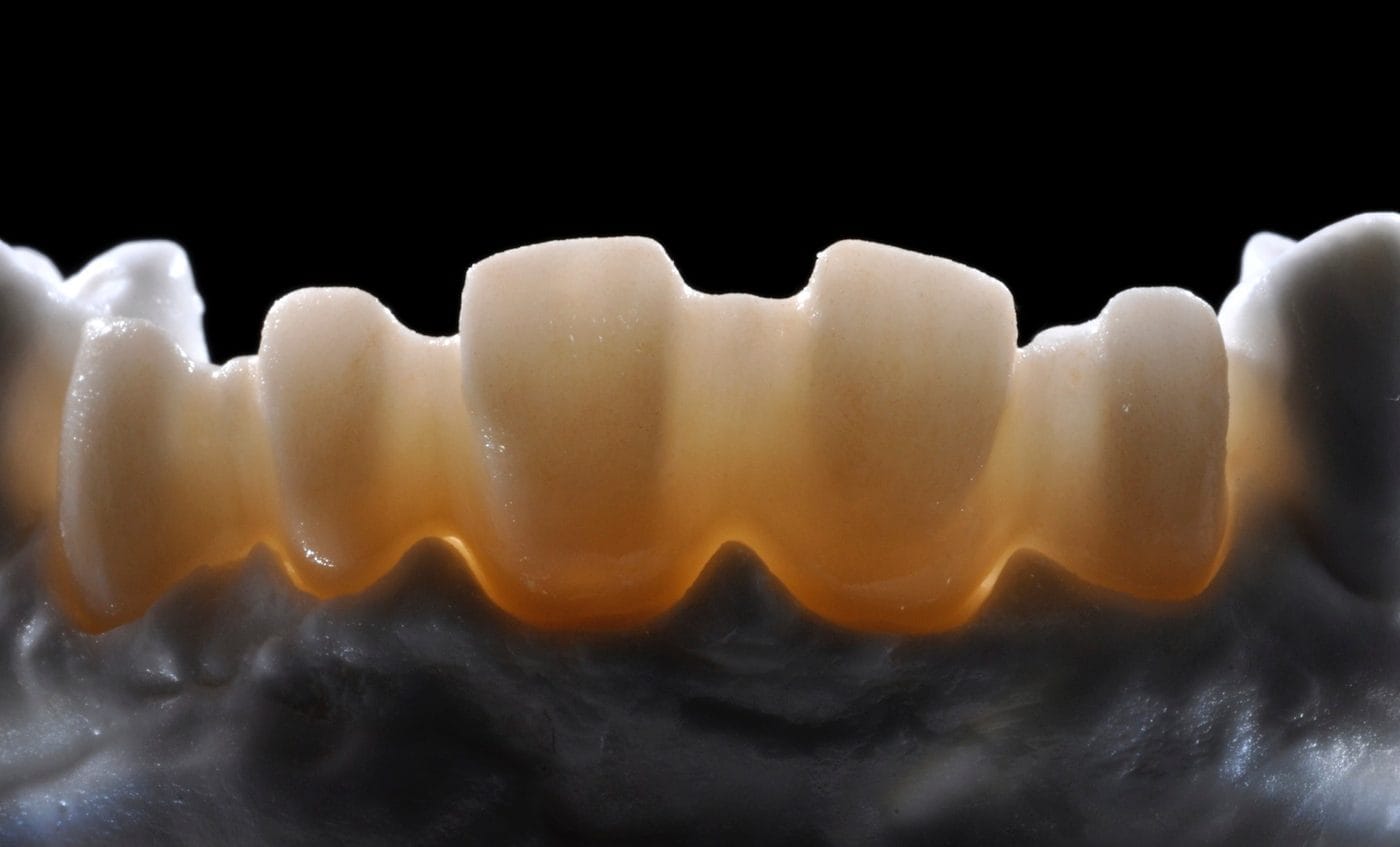
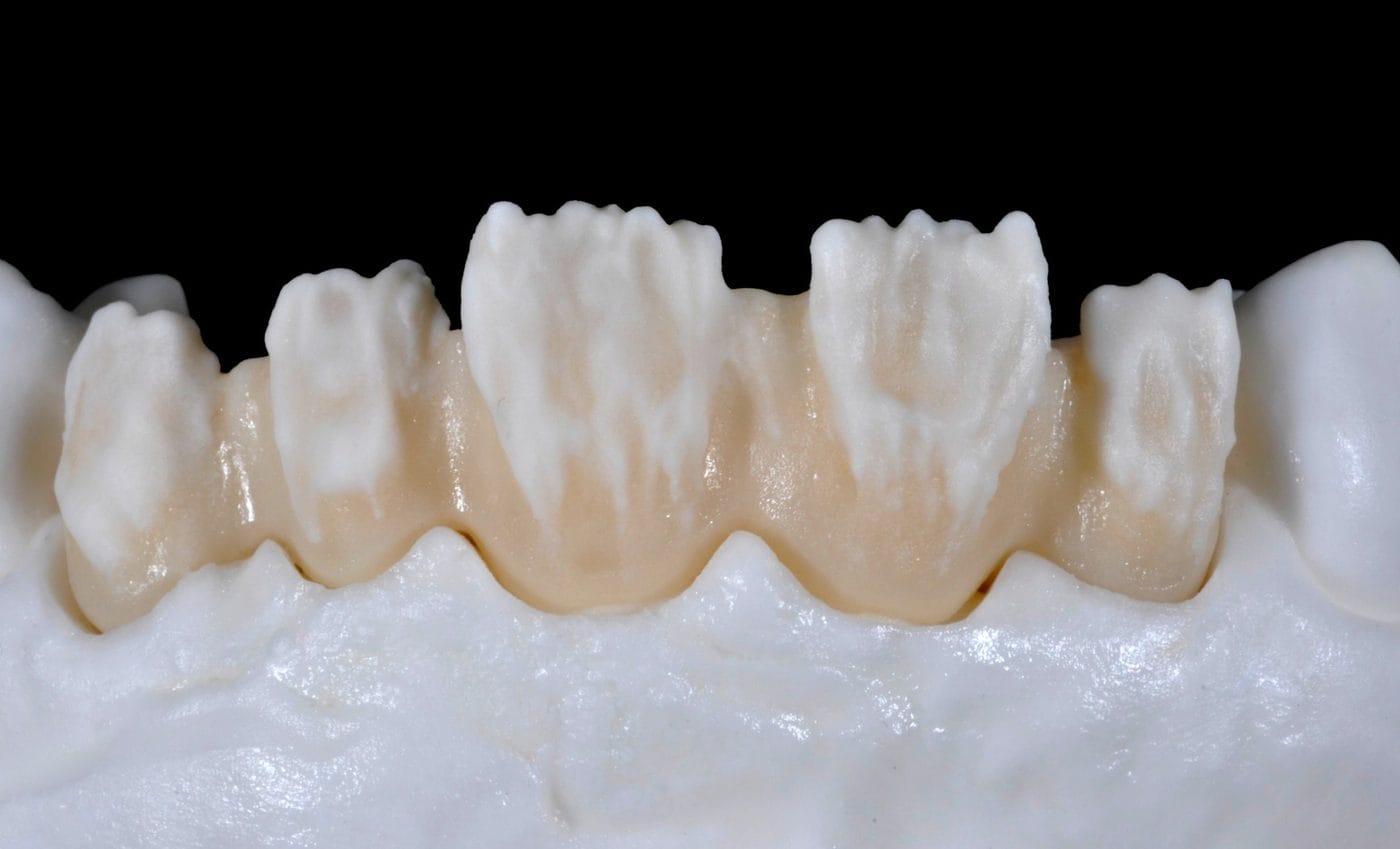
The implant bridge is used as a vehicle to sculpt and condition soft tissue, creating ideal pontic sites and emergence profiles before the definitive restoration is fabricated.
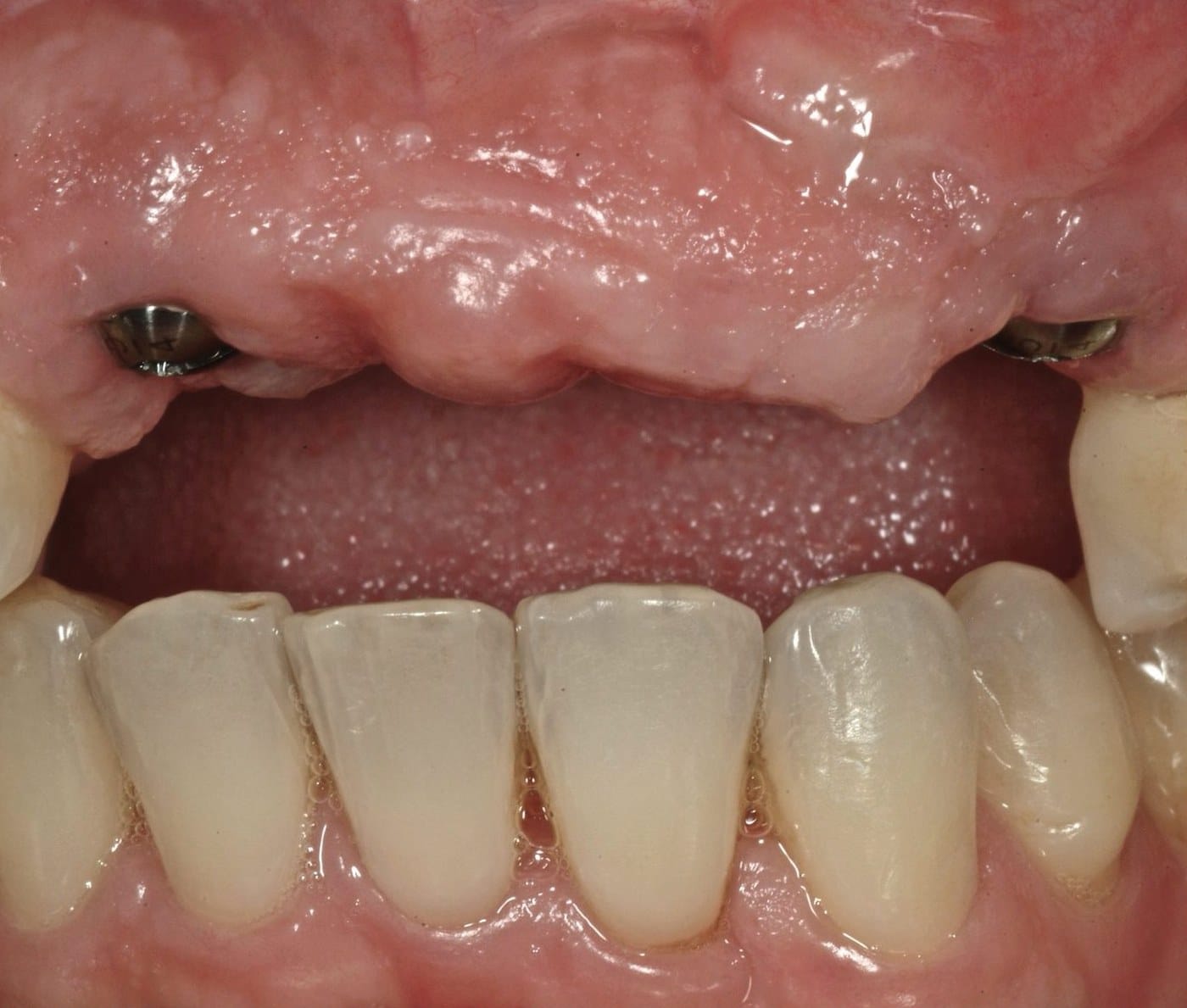
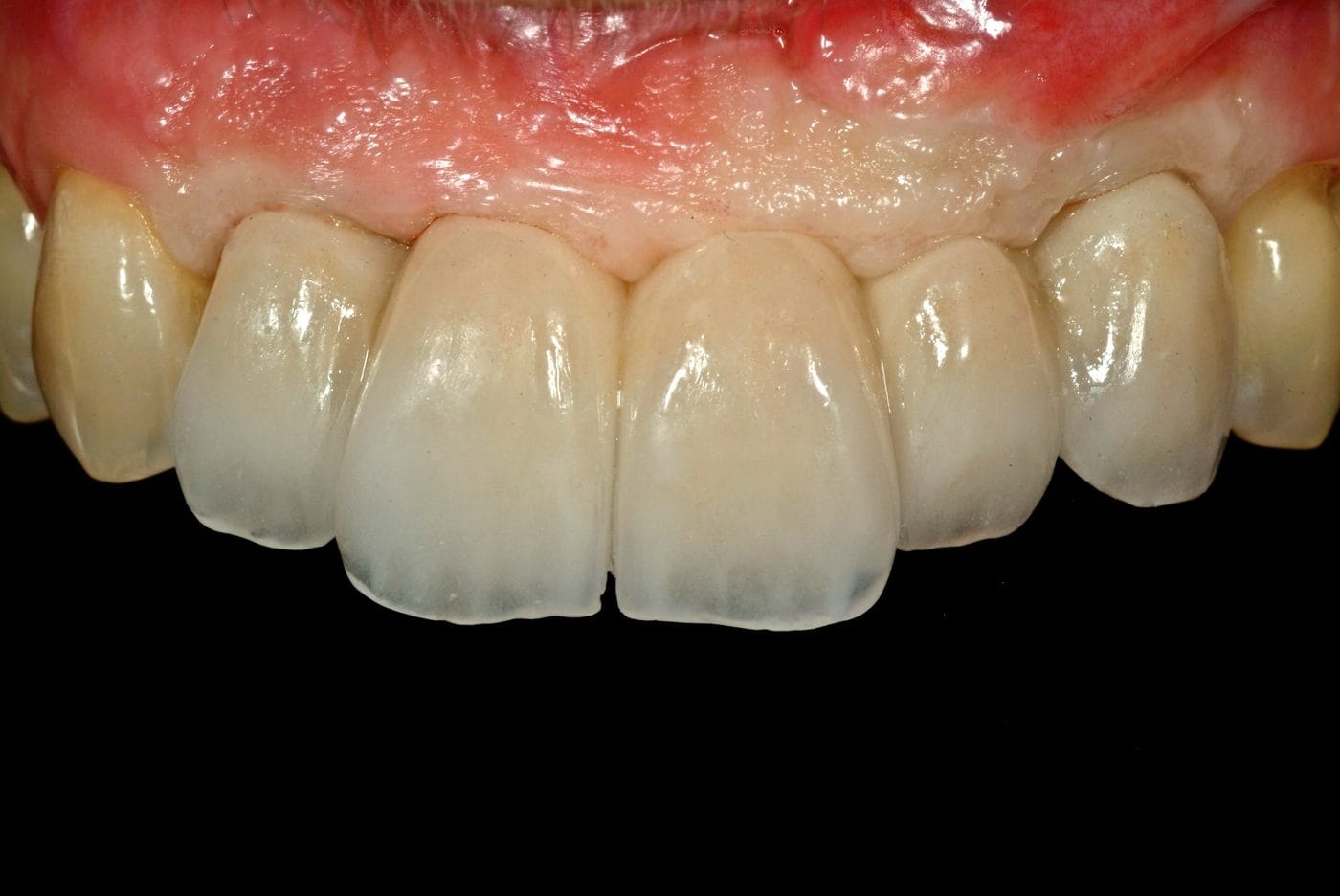
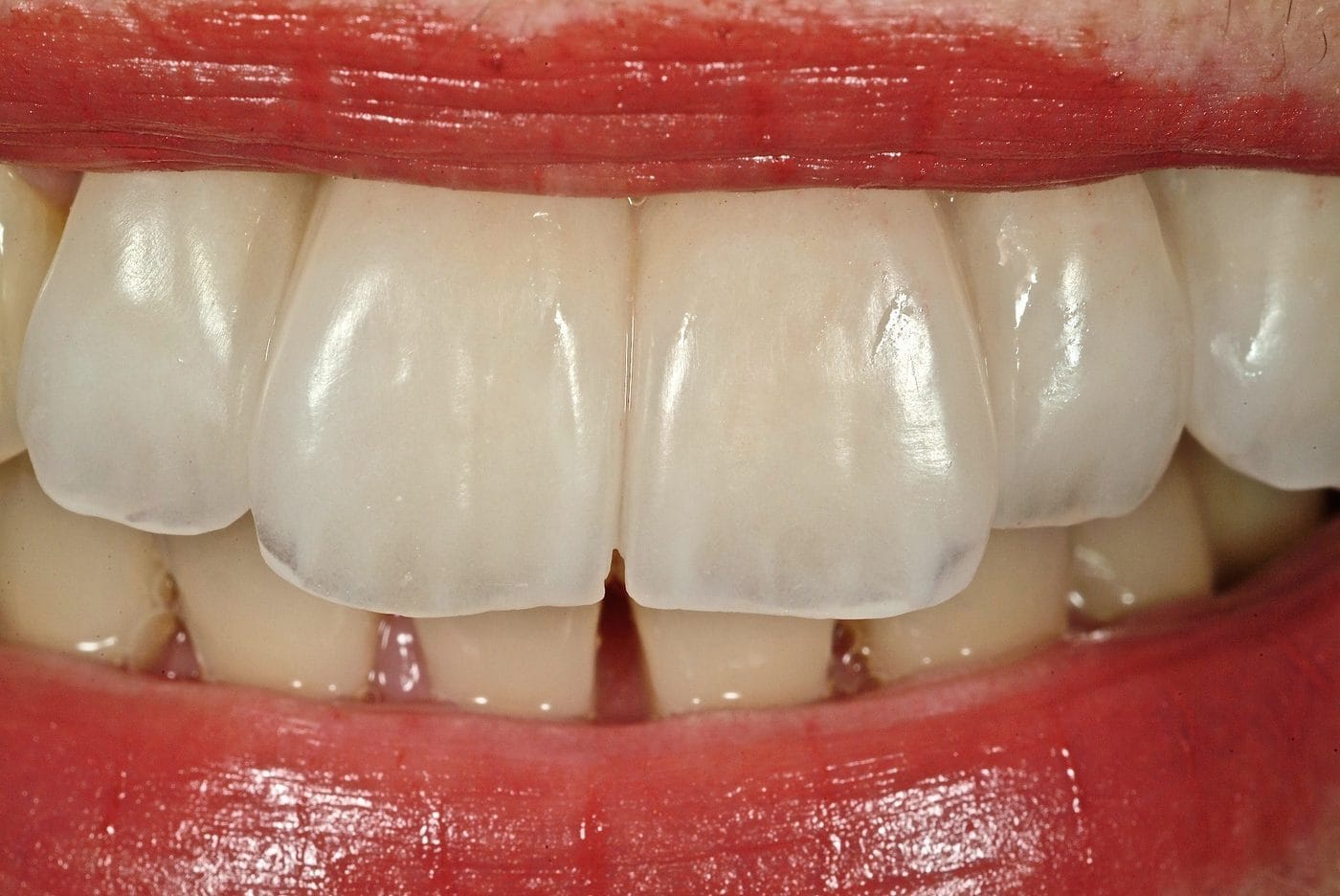
The framework provides the structural foundation — designed for passive fit, posterior support, splinting, and ideal emergence through the soft tissue.
Definitive Restoration
The culmination of meticulous planning, precise execution, and master craftsmanship.
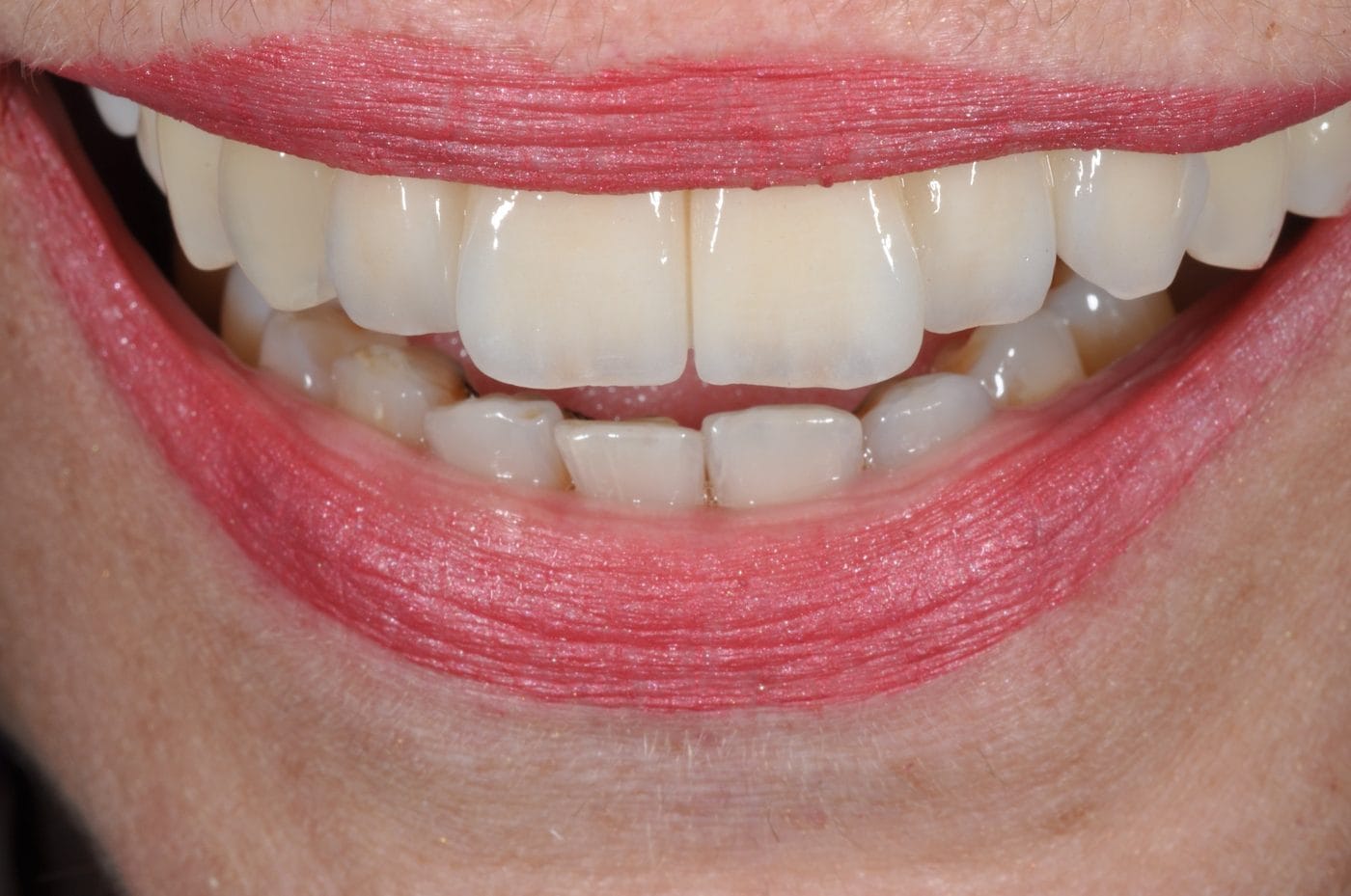
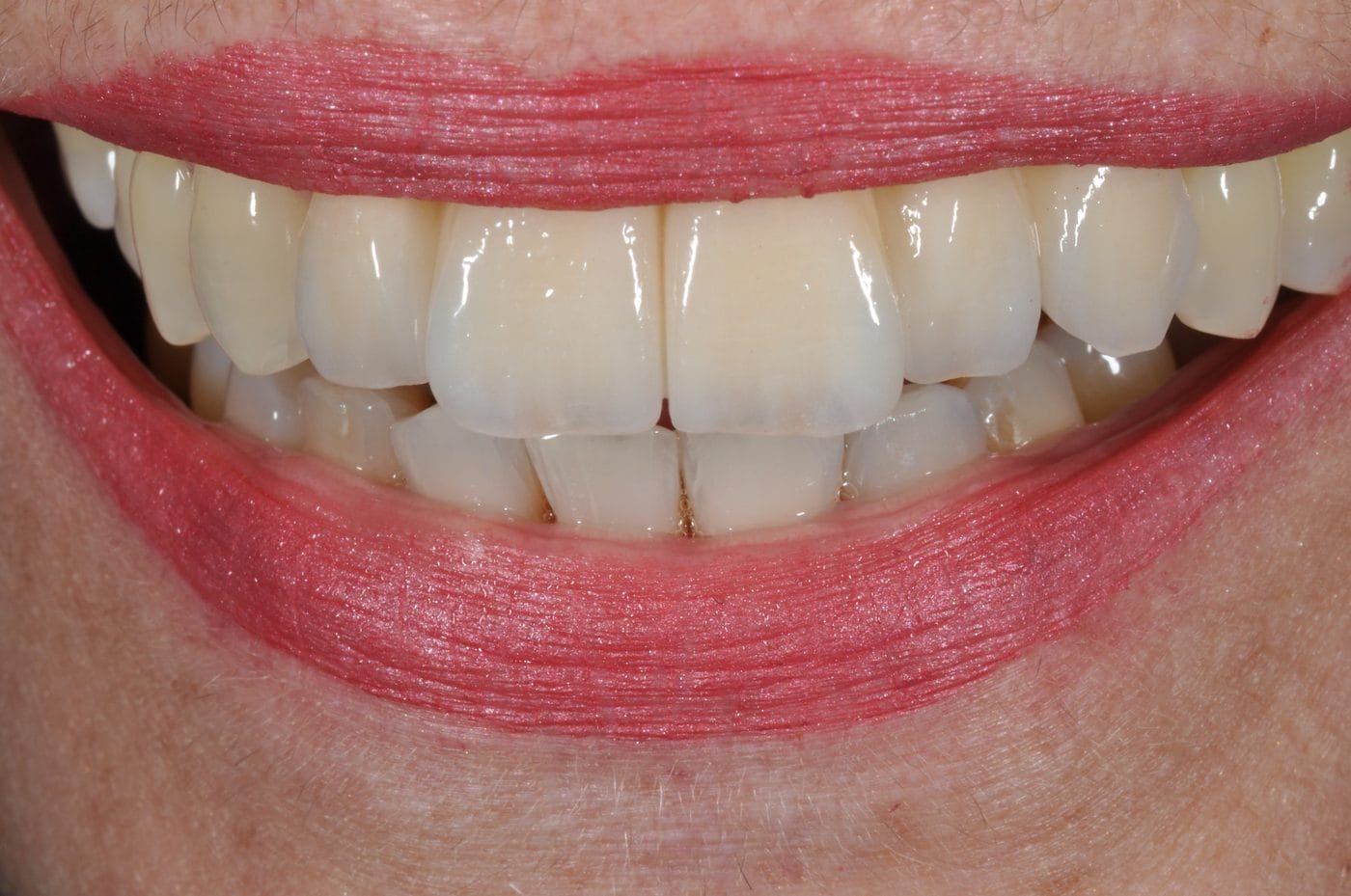
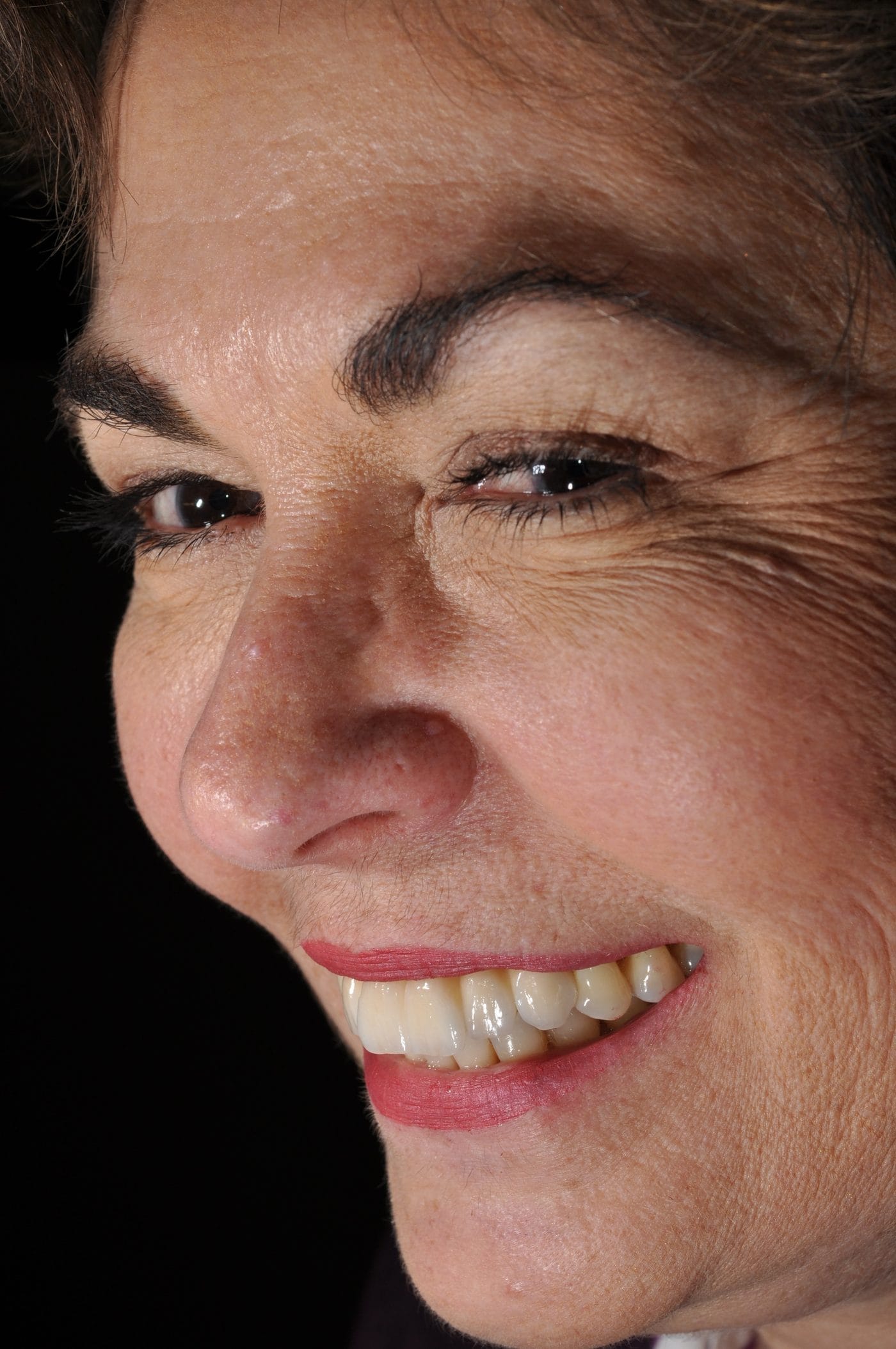
"Posterior support. Mutually protected occlusion. Splinting. Passivity of framework."
Key principles of prosthetic success
Keeping the Roots That Hold the Tissue
Root Banking
Dr. Reshad employs a unique technique called root banking to preserve the surrounding tissues for long-term stability and health.
By strategically retaining natural root structures, alveolar bone volume and soft tissue architecture are maintained — providing a biological scaffold that supports the final restoration for years to come.
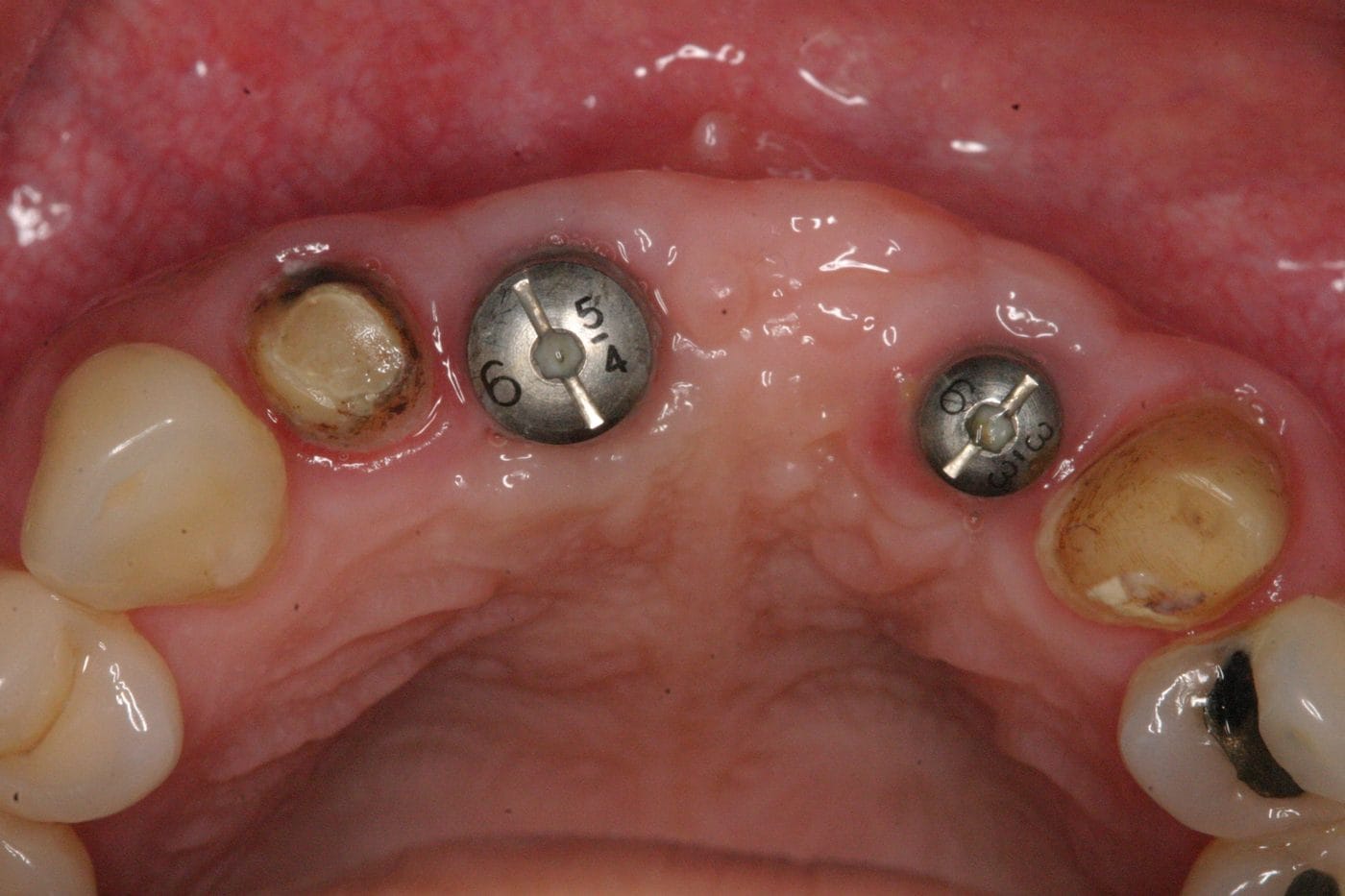
Ceramics. Technician: Domenico Cascione
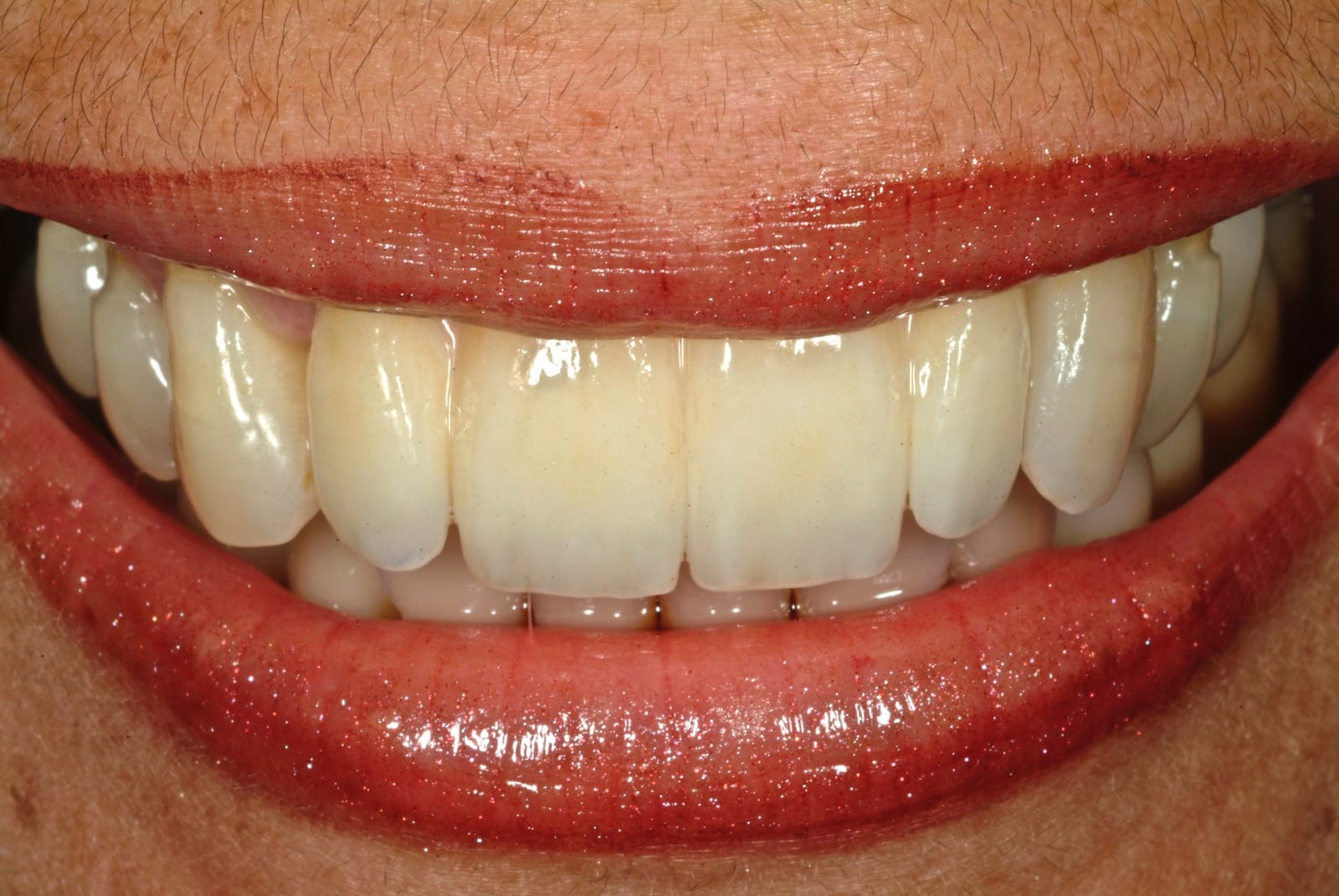
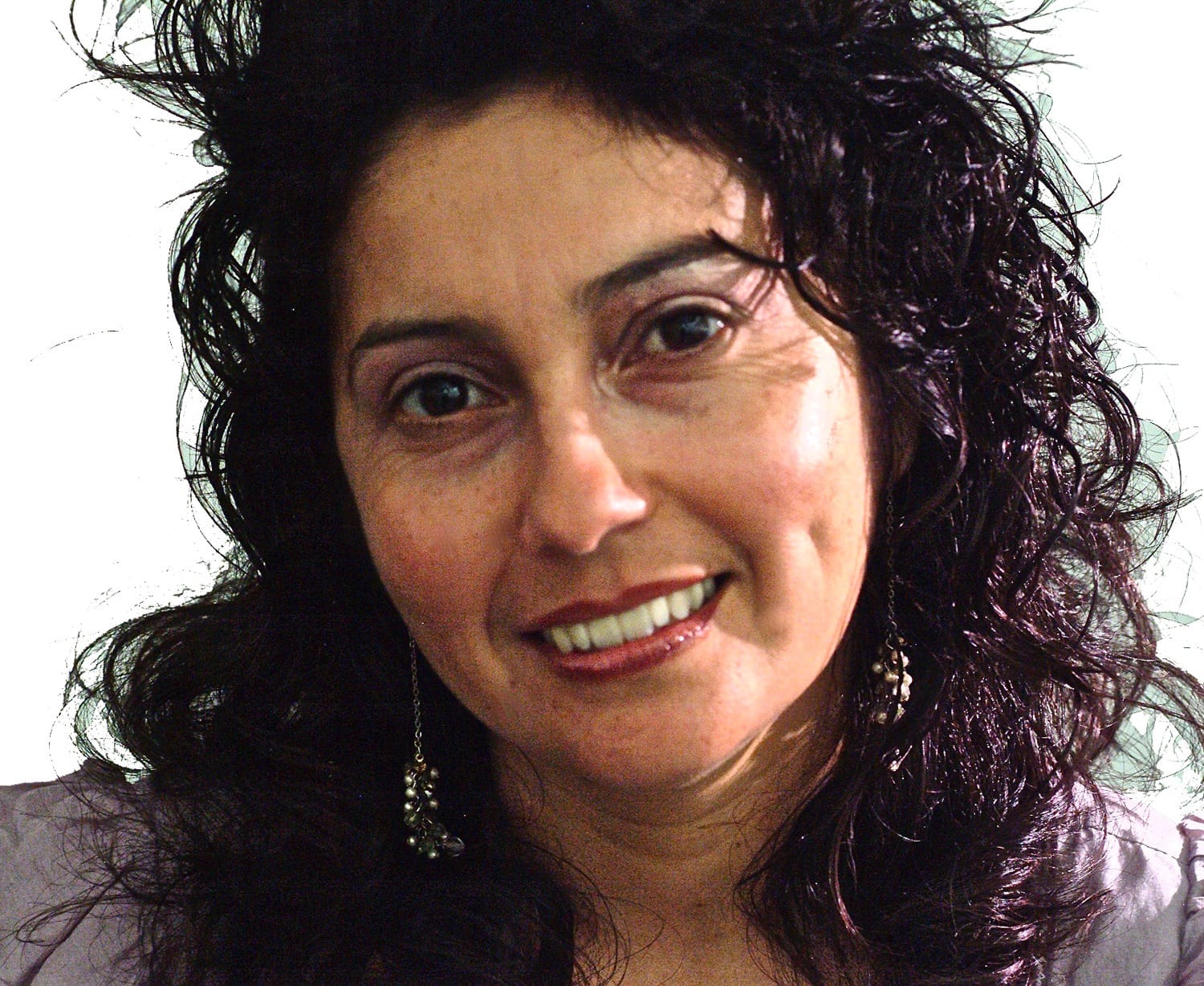
An Implant Bridge, a Decade Later
Ten years after an implant bridge, she came back to say how it has held up. The teeth are the ones placed a decade ago. What she talks about is what they still do every day: chewing, speaking, smiling, without a thought.
Every case is planned around one person's anatomy. Individual results vary.
Real Patient Results
Dental Implants — Single Tooth
Precision implant placement and crown restoration seamlessly blending with adjacent natural teeth.
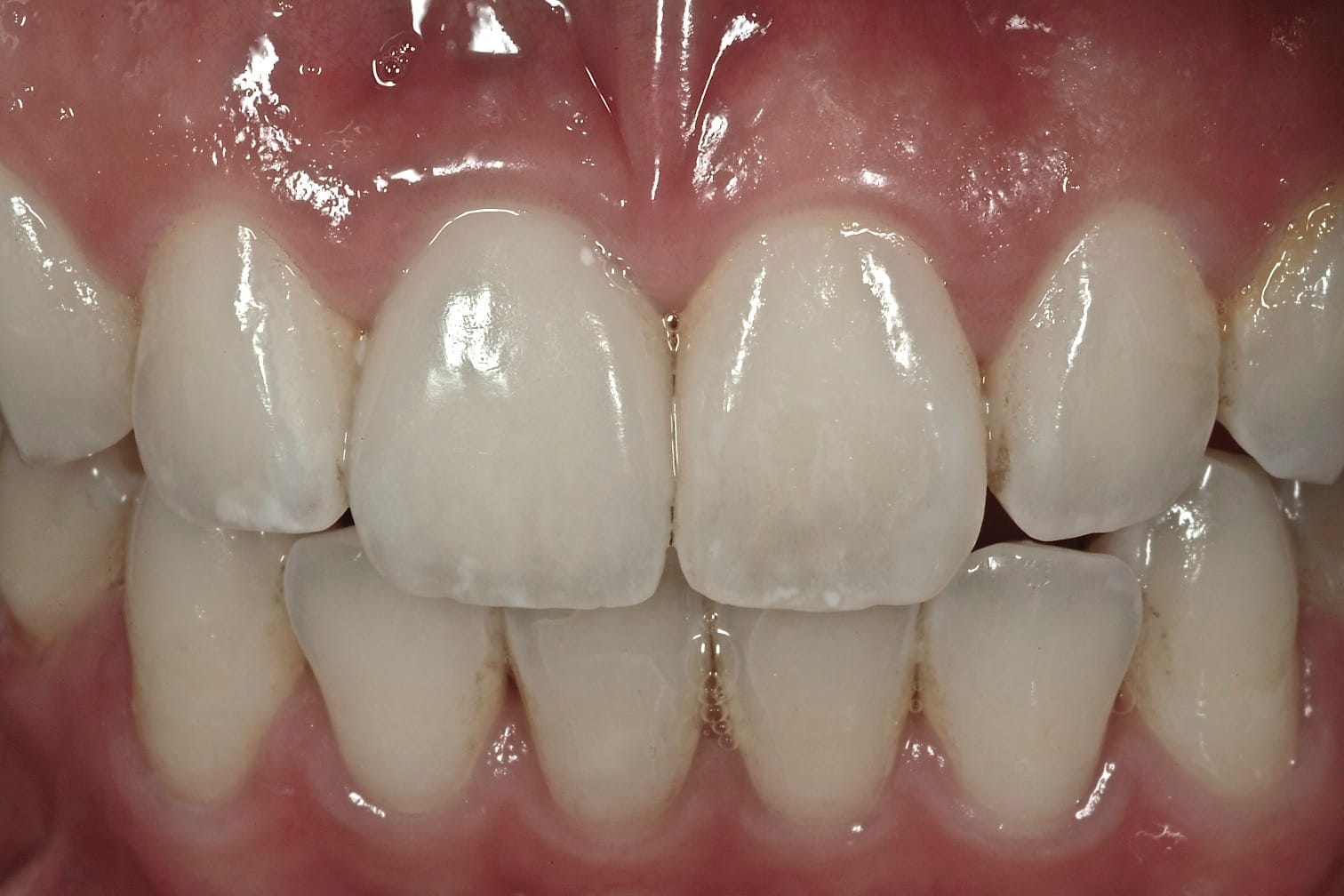
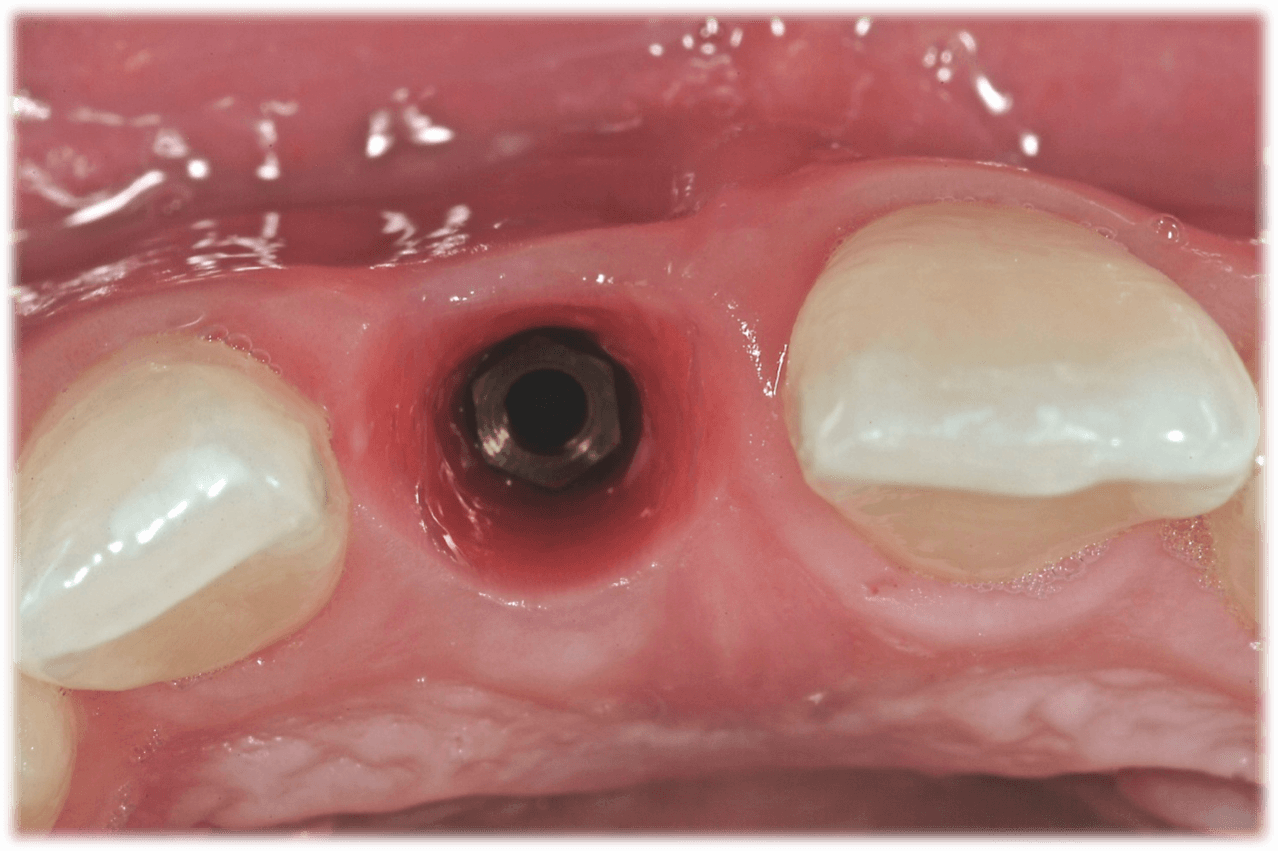
Single Implant — Front Tooth
One of the most demanding procedures in dentistry — a single anterior implant matched seamlessly to the surrounding natural teeth.
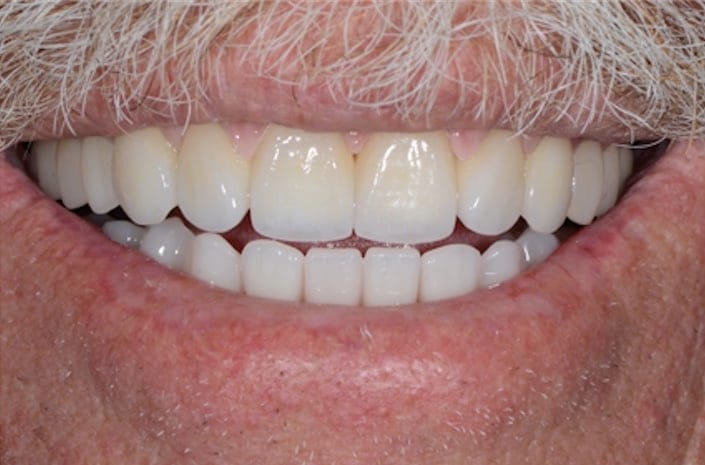
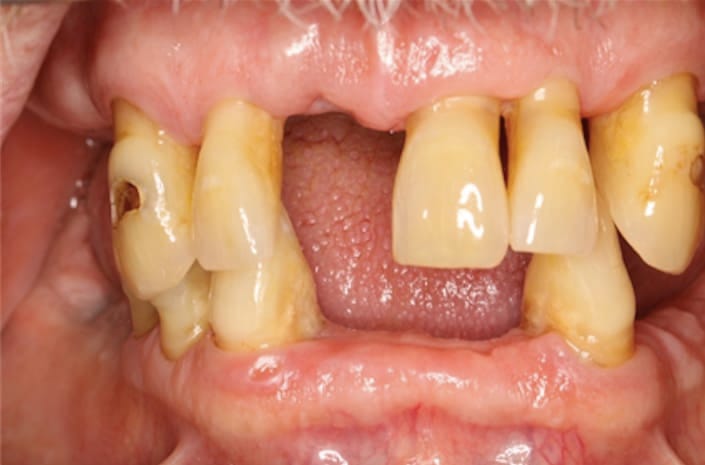
Implant Rehabilitation
Complex implant rehabilitation restoring both function and aesthetics after significant tooth loss.
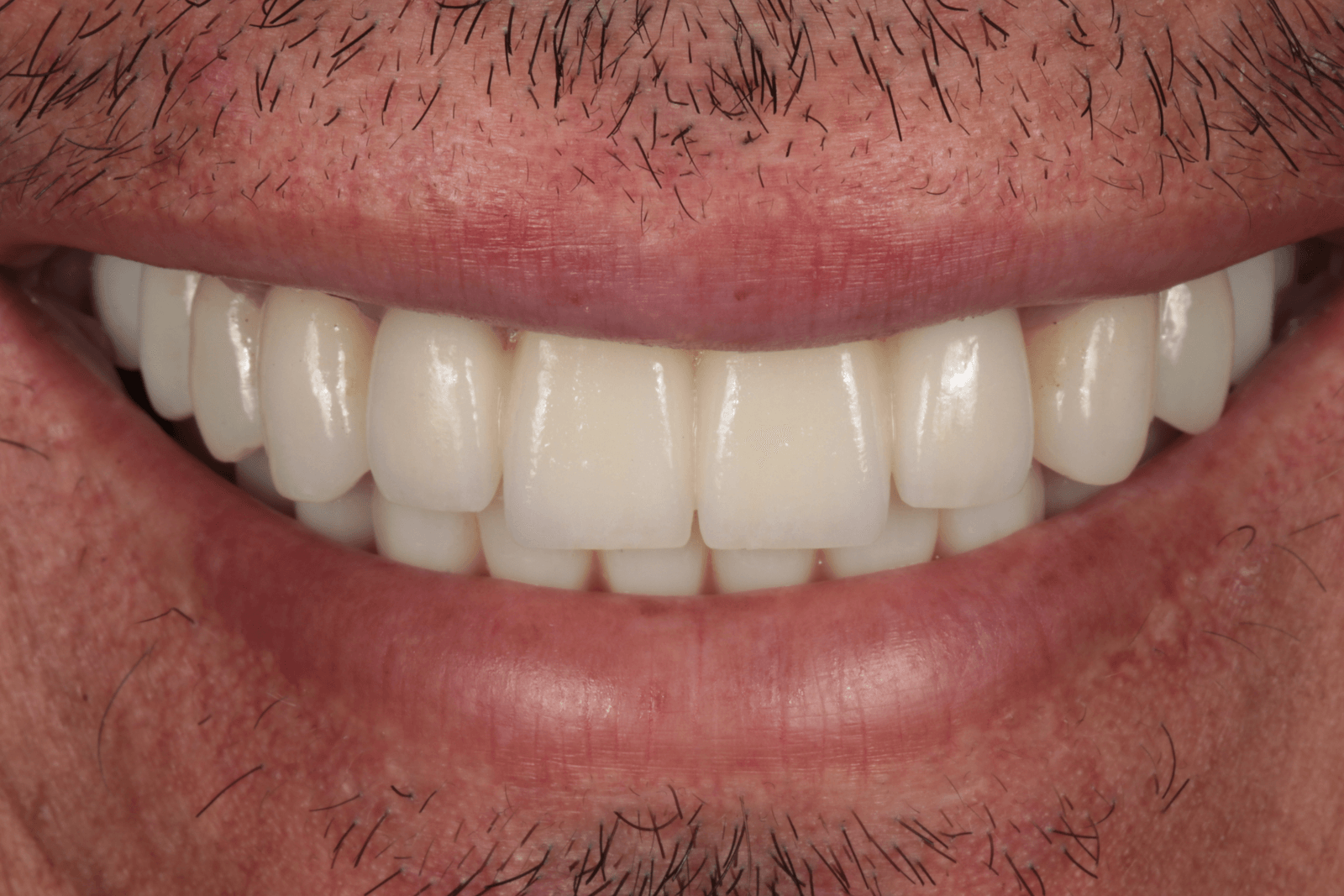
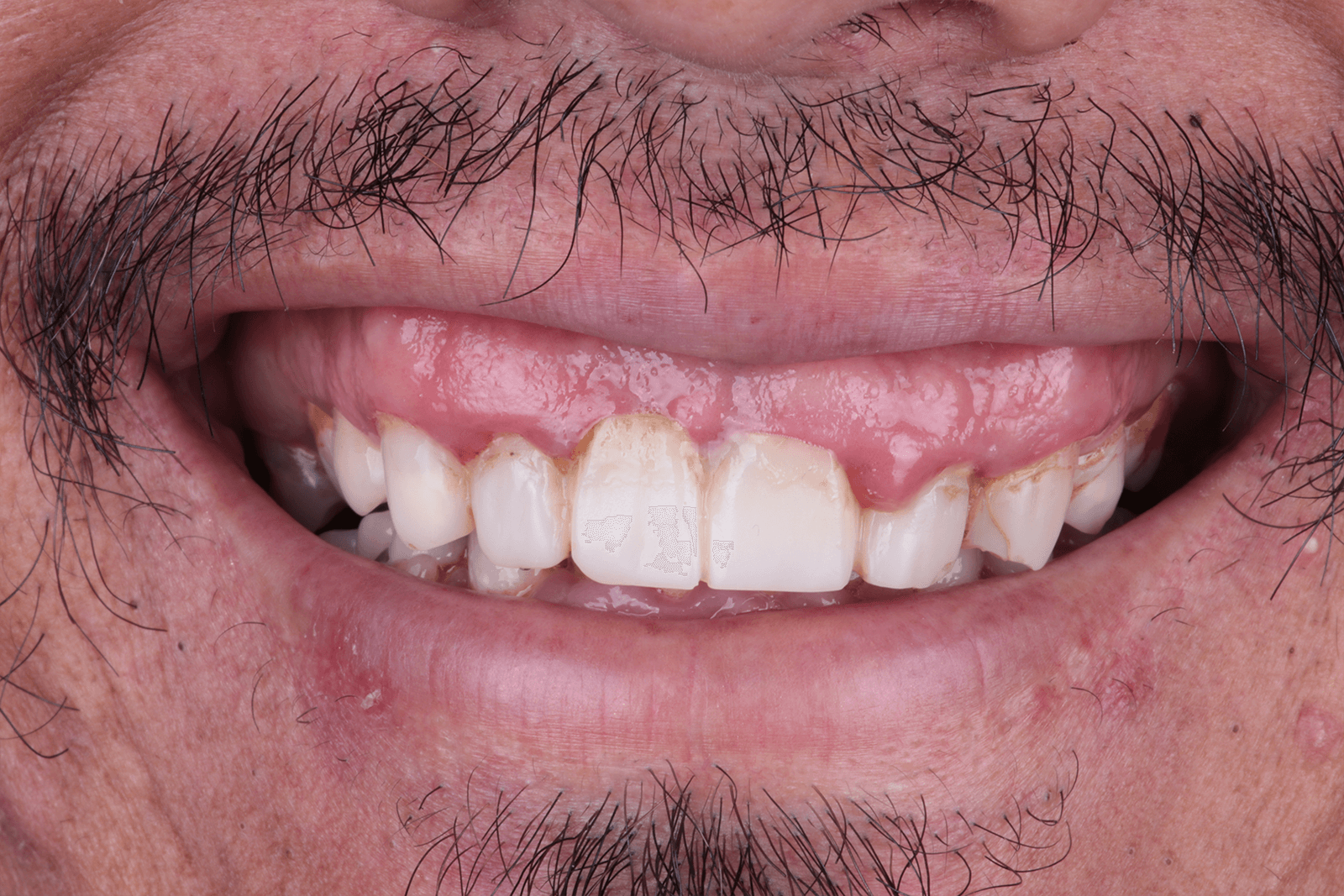
Implant Reconstruction
Implant reconstruction with gummy smile correction.
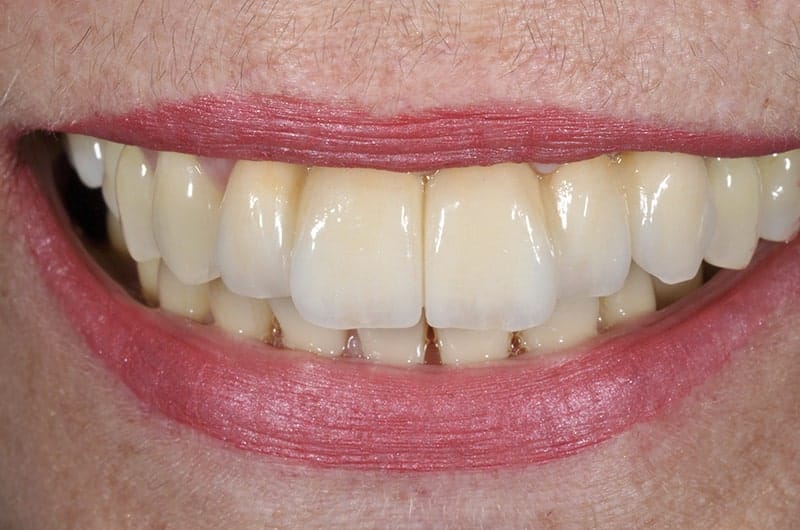
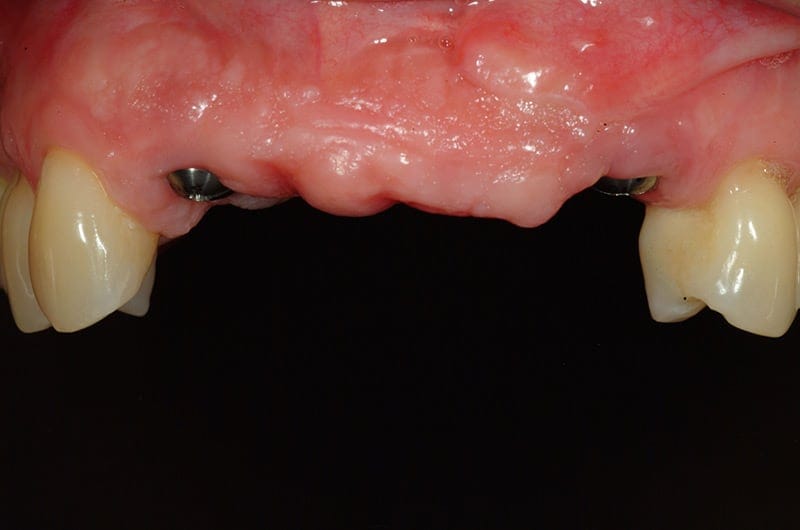
Implant Bridge
Upper jaw restoration for a patient who traveled from San Diego seeking expert implant care.
Dr. Reshad on implants
What Are Dental Implants?
Dental implants are artificial teeth that are surgically implanted into a patient's mouth to replace teeth that are either missing or too damaged to sustain further use. They typically consist of titanium, stainless steel, or zirconia endosteal posts embedded in the jawbone, an abutment or attachment surface, and the artificial tooth itself.
At some point in our life, most of us will experience some form of dental degeneration. By the time the average American reaches their 30s, they will have already lost five permanent teeth. Losing teeth can be compounded by smoking, poor diet, disease, poor hygiene, accidents, and trauma. For most, some degree of tooth loss is inevitable.
The solution is dental implants. At ArtLab Dentistry, we have helped countless patients restore their smiles with permanent, natural-looking dental implant solutions.
Why Should You Consider Dental Implants?
You should consider dental implants if you experience: receding jawline, sinus complications, periodontal disease, tooth decay, susceptibility to jaw fractures, missing teeth, or other dental related problems.
Unlike dentures which rely on suction or adhesives, dental implants are permanently anchored into the jawbone — they look, feel, and function like natural teeth. They also stimulate bone growth, preventing the resorption that causes facial aging with conventional dentures.
Dental implants offer superior stability, longevity (25+ years with proper care), and the ability to eat, speak, and smile with complete confidence.
Our Beverly Hills office at 414 N. Camden Dr., Suite 750 opens in January 2027. Until then, call (310) 444-5217 and we'll arrange your consultation.
Types of Dental Implants
Conventional Individual Implants: The gold standard for replacing lost teeth. For each missing tooth, a titanium or zirconia post is embedded in the jawbone, topped with an abutment and custom-crafted crown. These look and feel like real permanent teeth.
All-on-X Dental Implants: A revolutionary method replacing a full arch of teeth using only four to six strategically placed implants. The entire procedure can be completed in less than a day with same-day temporary teeth. Ideal for patients with significant tooth loss or bone loss preventing traditional implants.
Implant-Supported Bridges: For patients missing several adjacent teeth, a bridge supported by implants at each end avoids the need for individual implants for every tooth.
Implant-Supported Dentures: A hybrid solution combining the stability of dental implants with a full-arch prosthetic. These snap onto implants for a secure, comfortable fit without adhesives.
Fixed Prosthesis Types: FP-1, FP-2, FP-3
When a reconstruction is fixed to implants, what it has to replace depends on how much was lost before treatment began — and the thing that matters most is not the teeth, it is the gum. Dentistry describes that in three classes, FP-1 through FP-3. They are not grades of quality; one is not better than another. They describe how much of the tooth and how much of the surrounding pink tissue the new teeth are standing in for, and the right one for a patient is decided by what their bone and gum look like on the day they arrive.
FP-1 is the conservative, preservative end of the range: you are replacing teeth and nothing else. A patient here has lost one tooth, or two, or three, but the gum around them has not been damaged. What remains of their own dentition tends to be more substantial and stronger, and the new teeth emerge from the patient's own tissue exactly where the originals did. Nothing artificial is visible.
Making a replacement tooth emerge that way is a technique in its own right, and it is one Dr. Reshad has published on. Where a tooth is missing but the ridge has not been rebuilt, the site can be developed without surgery: the working cast is scored where the tooth will sit, a provisional made on that scored cast applies gentle, controlled pressure, and the tissue is shaped gradually over a period in which its health, contour and appearance can all be judged before anything definitive is made.¹
FP-2 begins where the gum starts to go. As more teeth are lost the gum keeps shrinking back, and at some point restoring the teeth alone would leave them looking too long, with dark spaces between them. So a small amount of prosthetic pink is added to make up the difference — a little bit of gum that is not the patient's own, shaped and shaded to sit against what is. The result still reads as teeth; the added tissue is doing quiet work at the margin.
FP-3 is the same problem further along, and it is the more severe of the three simply because there is less gum left to work with. Where a lot of pink has been lost, the prosthesis carries a substantial amount of its own gingiva in ceramic, and the teeth are set at their proper length against it rather than being stretched to reach tissue that is no longer there. Most full-arch reconstructions that follow years of tooth loss fall into this class.
Which class a case belongs to is settled at the planning stage, before anything is placed, because it changes where the implants go. That is the whole argument for planning the finished teeth first and working backwards to the surgery — the classification is a consequence of the plan, not a label applied afterwards.
FP-1 →
The tooth, and nothing else
FP-2 →
A tooth, and a little of the root
FP-3 →
The teeth, and the gum that went with them
Our Beverly Hills office at 414 N. Camden Dr., Suite 750 opens in January 2027. Until then, call (310) 444-5217 and we'll arrange your consultation.
Treatment Comparison
Traditional Dentures: Affordable and replace all teeth, but require adhesives, cover the palate reducing taste sensation, risk bone atrophy, and need replacement every 2–5 years.
Snap-in Dentures: More secure than traditional dentures and preserve healthy teeth, but may require tooth filing, change fit over time, and need replacement every 2–10 years.
Traditional Individual Implants: Permanent, natural appearance, comfortable, and standard care routine — but expensive, require a 1–2 year process, and not everyone qualifies.
All-on-X Implants: Full mouth restoration via 4 implants per arch, temporary teeth on day one, secure permanent placement, 85% of patients have sufficient bone, and 90% chewing ability restored.
Implant Material Options
Acrylic Resin: Economical, quick to manufacture, and easy to replace. A cost-effective option for temporary or budget-conscious solutions, though less durable than alternatives.
Porcelain: Superior durability, stain-resistant, easier maintenance, and the most natural feel and appearance. The higher initial cost is offset by longevity and reduced maintenance over time.
Zirconia: The newest material option offering exceptional strength, biocompatibility, and aesthetics. Ideal for patients seeking the most natural-looking, metal-free solution.
Our Beverly Hills office at 414 N. Camden Dr., Suite 750 opens in January 2027. Until then, call (310) 444-5217 and we'll arrange your consultation.
The Implant Procedure
Step 1: Initial Consultation — Dr. Reshad evaluates your medical history, takes X-rays, photographs, impressions, and a CT scan to develop a personalized treatment plan.
Step 2: Implant Placement — Titanium or zirconia posts are surgically placed into the jawbone. For All-on-X procedures, temporary teeth are attached the same day.
Step 3: Healing & Osseointegration — Over 3 to 6 months, the implants fuse with the jawbone through a natural process called osseointegration, creating a permanent foundation.
Step 4: Final Restoration — Once healing is complete, your permanent custom-crafted teeth are placed and adjusted for optimal comfort, function, and aesthetics.
Health Benefits of Dental Implants
Broader Nutrition: Implants support fully functioning teeth that allow a wider choice of foods, enabling diverse nutrient intake that soft-food diets cannot provide.
Bone Preservation: Chewing with implants stimulates the jawbone, preventing the resorption that causes facial structure deterioration — hollow cheeks, loose skin, and weak chins.
Oral Hygiene: Daily care requires only standard brushing and flossing. Unlike dentures, you never need to remove teeth or clean them with harsh chemicals.
Psychological Well-Being: One of the greatest benefits is the increase in self-esteem and confidence that comes from restoring your smile.
Our Beverly Hills office at 414 N. Camden Dr., Suite 750 opens in January 2027. Until then, call (310) 444-5217 and we'll arrange your consultation.
Success Rates & Longevity
Longitudinal studies show patient-related success rates of 94.8% at 5 years and 93.8% at 10 years. Implant-related success rates reach 98.1% at 5 years and 94.8% at 10 years.
With proper care and maintenance, dental implants can last 25 years or more — often a lifetime. Compare this to traditional dentures which typically require replacement every 2–5 years due to bone resorption.
Choosing the Right Specialist
Not all dentists are dental implant specialists. While implant procedures are commonplace, actual specialists with proper training, experience, and a history of successful implantations are exceedingly few.
Prosthodontists undergo an additional three years of specialized training beyond dental school, focusing on the removal and replacement of teeth. There are only approximately 750 trained, licensed, and practicing prosthodontists in the entire nation.
Dr. Mamaly Reshad of ArtLab Dentistry is one of them — and is regarded as one of the finest prosthodontists in the world. When you want the best results, there is no need to look further.
"Dr. Reshad is an amazing prosthodontist who has true talent in making beautiful teeth. Being a dentist myself I was amazed by the quality of dentistry he performs with so much attention to detail and by the extremely caring chair side manner he has with his patients."
Frequently Asked Questions
Dr. Mamaly Reshad is a prosthodontist at ArtLab Dentistry, 414 N. Camden Dr., Suite 750, Beverly Hills. He plans each implant case from the final teeth backwards and restores single implants, multiple implants and full arches, including implants that have failed elsewhere.
Dental implants are best suited for patients with missing teeth from injury or decay, those wearing dentures, or patients with significant tooth loss. Assessment involves a prosthodontist exam, X-rays, bone structure evaluation, and health assessment including factors like tobacco use and diabetes.
Typically three types of visits: an initial consultation for planning, the surgery visit for implant placement (with same-day temporary teeth for All-on-X), and follow-up appointments 3–6 months later for permanent teeth placement.
Studies consistently show 93–98% success rates depending on the metric and timeframe. Success varies based on factors like bone grafting needs, sinus lifts, and patient health. All-on-X implants are placed at an angle, avoiding the sinus and engaging more bone for better success.
With proper care and maintenance, dental implants can last 25 years or more — often a lifetime. This far exceeds traditional dentures which typically require replacement every 2–5 years.
No. For All-on-X procedures, you leave the same day with a full set of functioning, attractive temporary teeth. Your gums need time to heal and the implants need time to fuse with the bone before permanent teeth are placed.
Yes, both arches can be treated. Many patients choose to restore both upper and lower arches using All-on-X or individual implant approaches.
Medically reviewed by Dr. Mamaly Reshad, BDS (Lond), MSc (Lond), Cert Pros (USC), Prosthodontist — Last reviewed July 2026
The Lip-Line Classification
The seam between ceramic gum and your own can never be masked. It can only be hidden under the lip. Five classes, from the smile where a seam is easiest to hide to the one where fixed teeth should not be promised at all. Every patient fits one, and it is decided before surgery.
| Class | What shows when you smile | What is built | Before surgery |
|---|---|---|---|
| I | Teeth only. Your own gum shows, and it is healthy enough to keep. | Natural-looking teeth emerging from your own gum. No pink. | Protect the bone and gum you have. |
| II | Teeth only. Your gum line stays under the lip, even at a full smile. | Teeth only, slightly longer. No pink. | Confirm your lip line on video. |
| III | Teeth and gum. The seam sits under your lip, even laughing. | Teeth and gum in one piece, seam hidden. | Place the seam 2 to 3 mm above your highest lip line. |
| IV | Teeth and gum. The seam would show in your smile. | Nothing yet. Converted to Class III or Class I first. | Reshape the ridge or change the design, previewed digitally. |
| V | Your upper lip sinks without denture-style support behind it. | Fixed teeth not advised. Removable or take-out teeth that support the lip. | Tested on trial teeth before anything is promised. |
The rule behind every class: the seam between ceramic and gum sits 2 to 3 mm above the highest point your lip ever reaches, measured on video, before surgery.
Your gum is good enough to keep. The teeth are built to meet it.
When you smile, the whole tooth and your gum are in view, and your gum is healthy enough to keep. No pink ceramic at all. The implants are placed through the centre of each planned tooth, so the new teeth grow out of your own gum like natural ones. It is the hardest class to do well, and the most natural when it is.
- You see
- Teeth growing from your own gum. No seam, because there is no pink.
- Built
- Individual-looking teeth on a strong frame. Your gum is kept.
- Before surgery
- Protect the bone and the little points of gum between the teeth that make it look natural.
Ready to Transform Your Smile?
Schedule a private consultation with Dr. Reshad to discuss your goals and explore your options.