Minimally Invasive Dentistry
Minimally invasive dentistry keeps as much of your own tooth as possible. Bonding to tooth has matured to the point where many teeth that once needed a root canal, post and crown can be rebuilt with little or no drilling. Dr. Reshad has been teaching and developing these techniques for over two decades.
One Tooth Among the Front Six
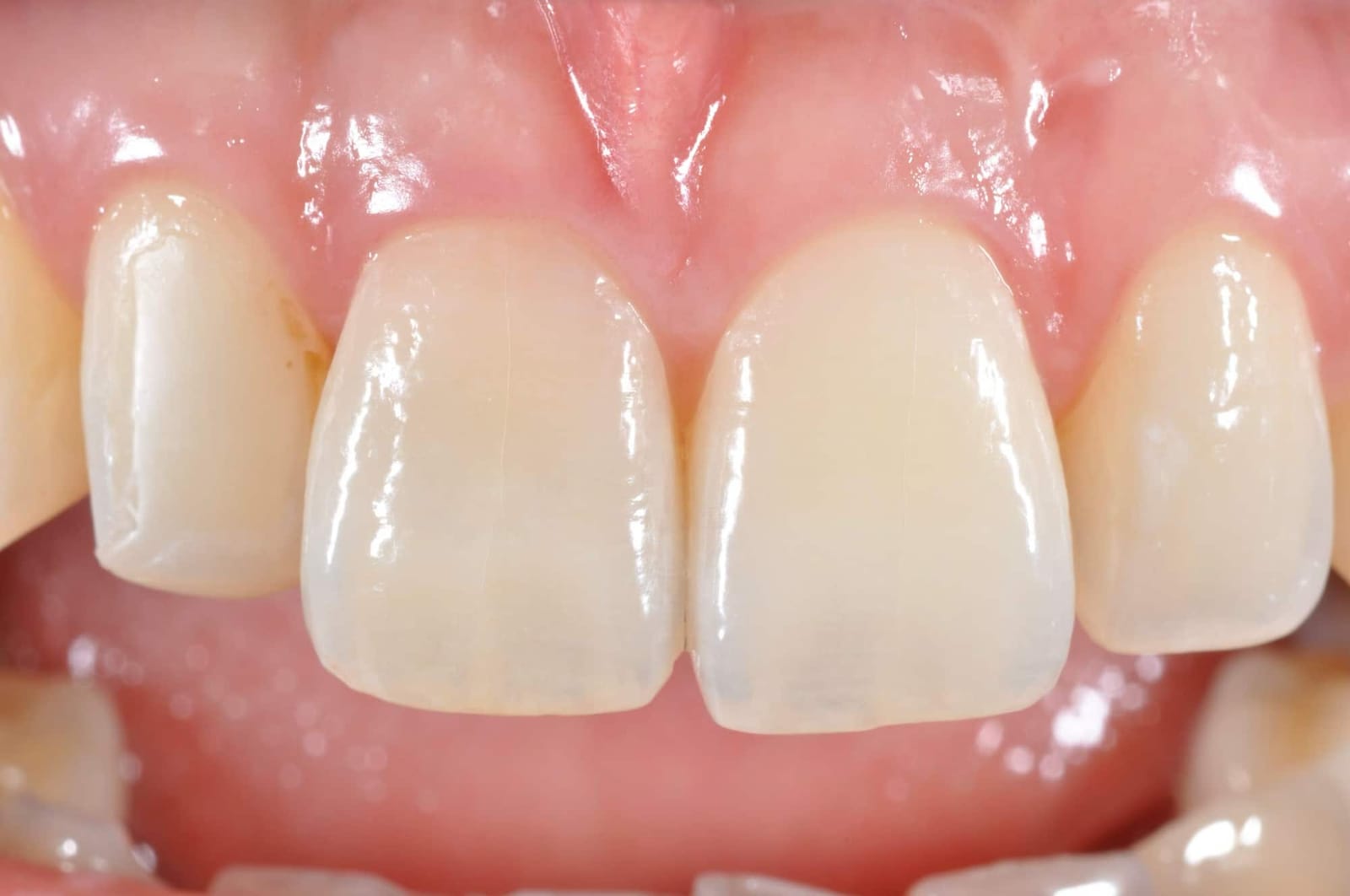
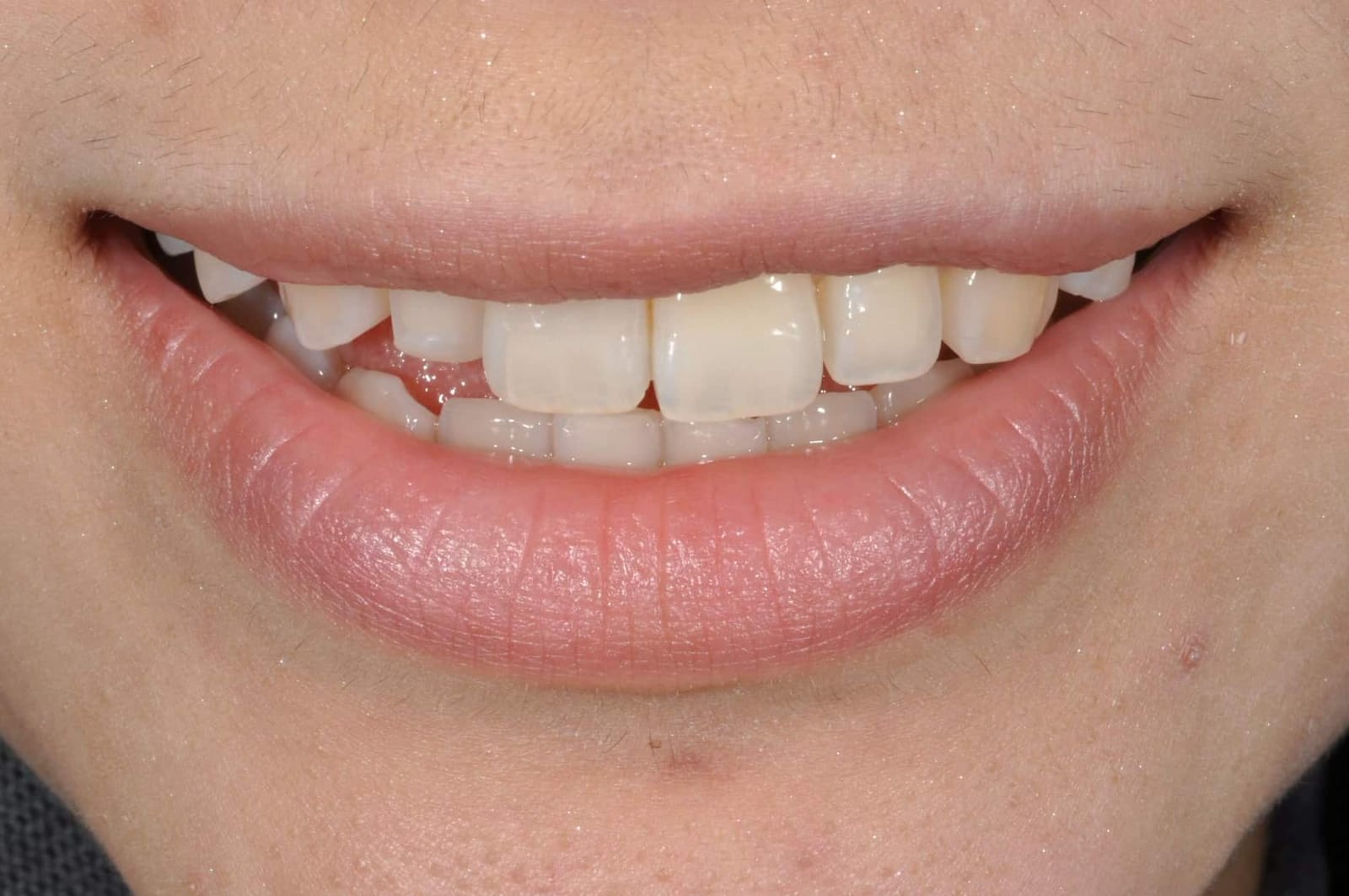
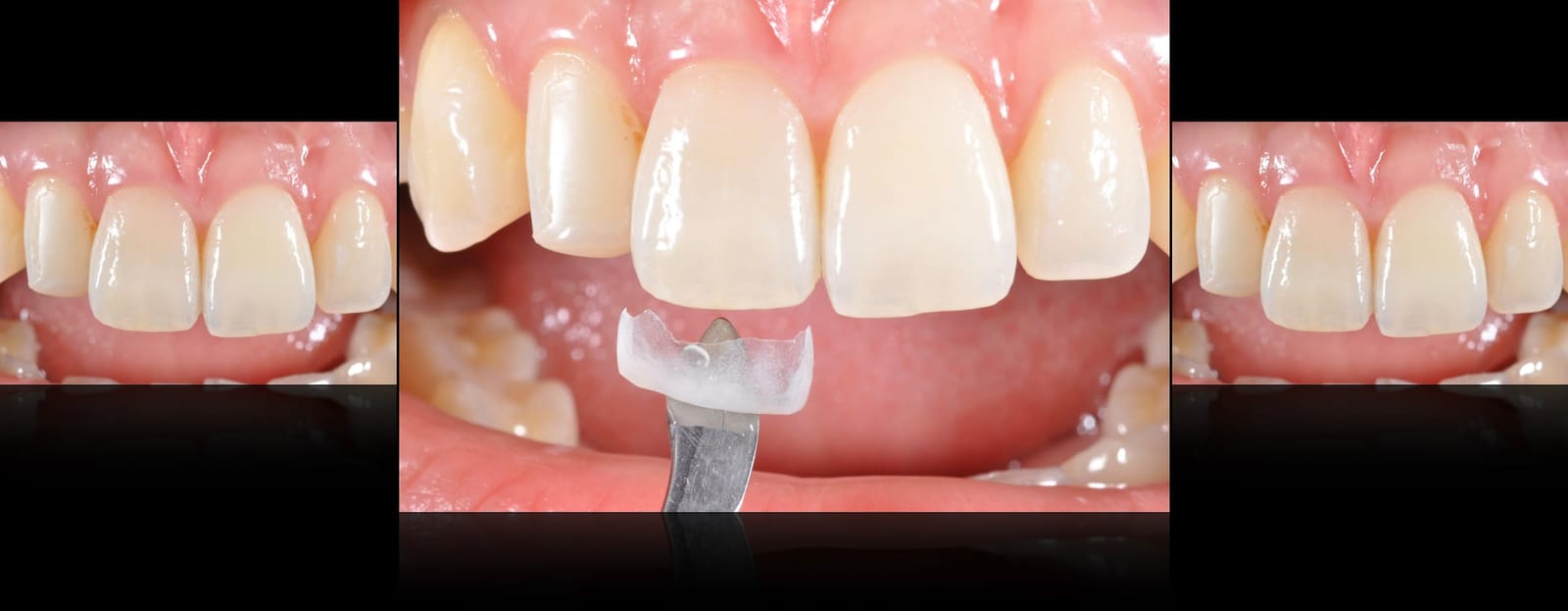
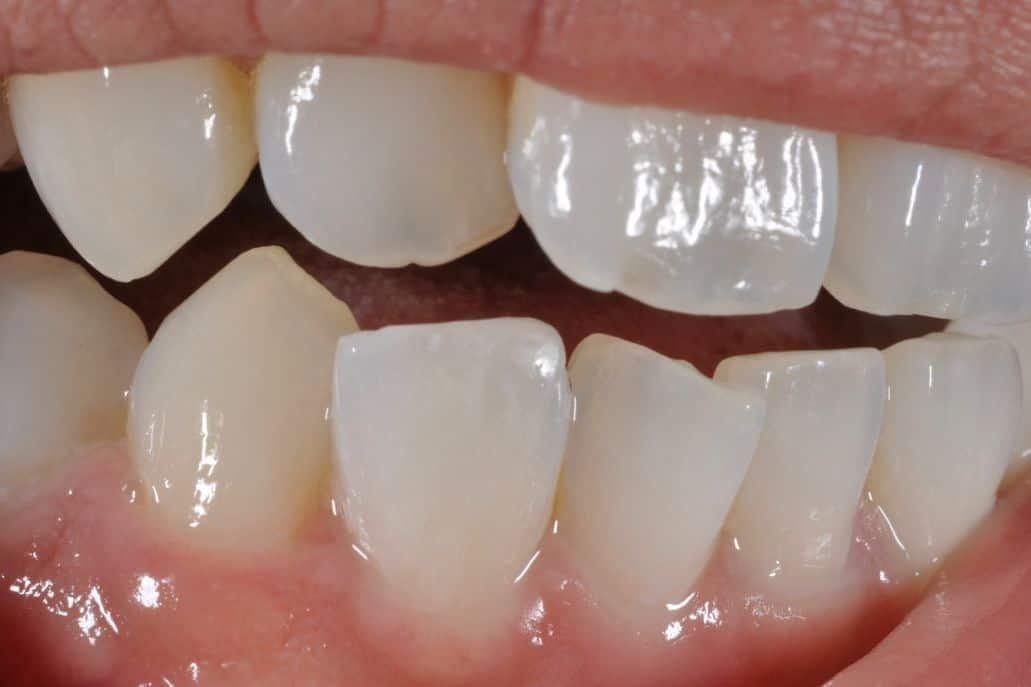
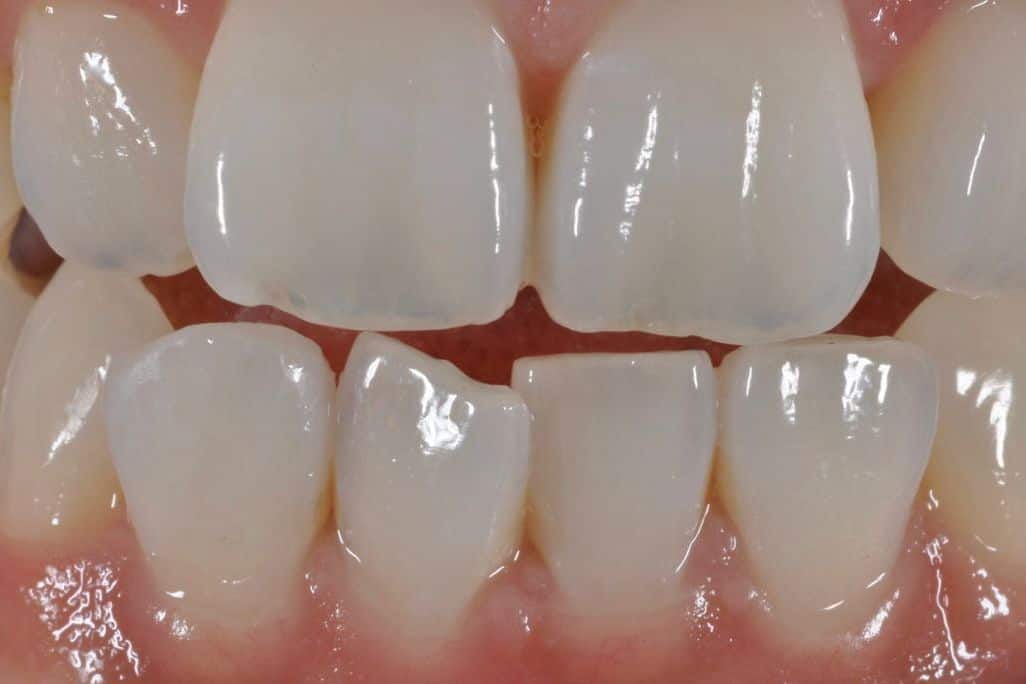
Fine ceramic, fitted to the tooth surface — the retracted views on either side
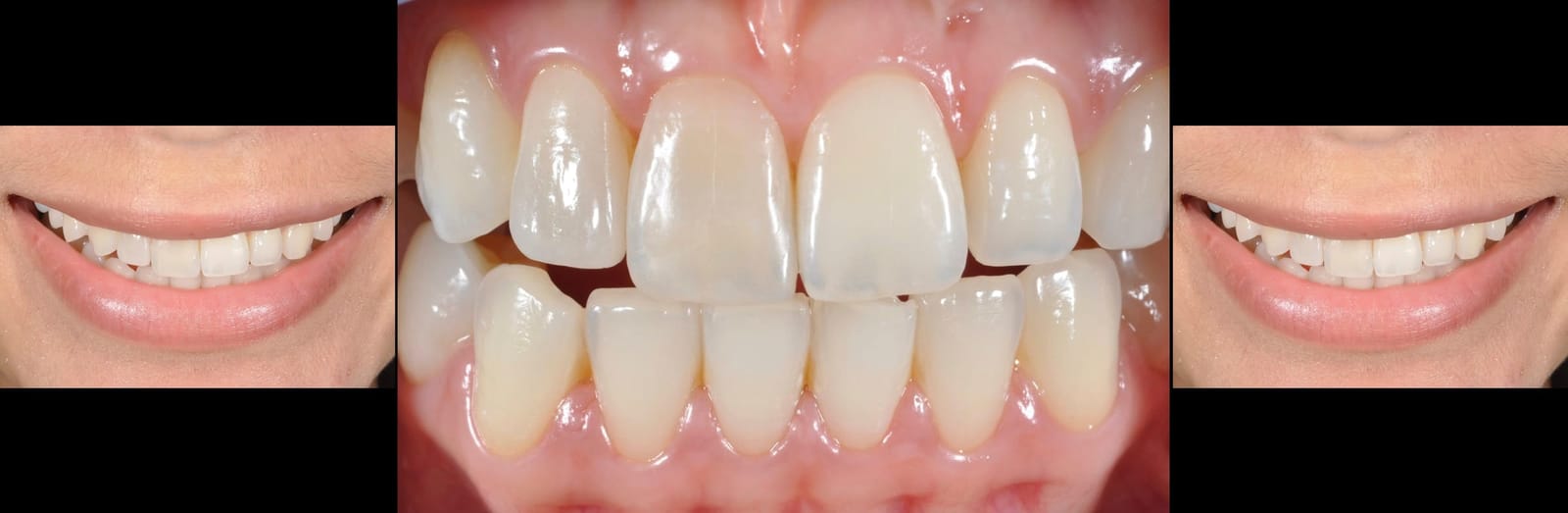
Fine Ceramic, Seen Up Close
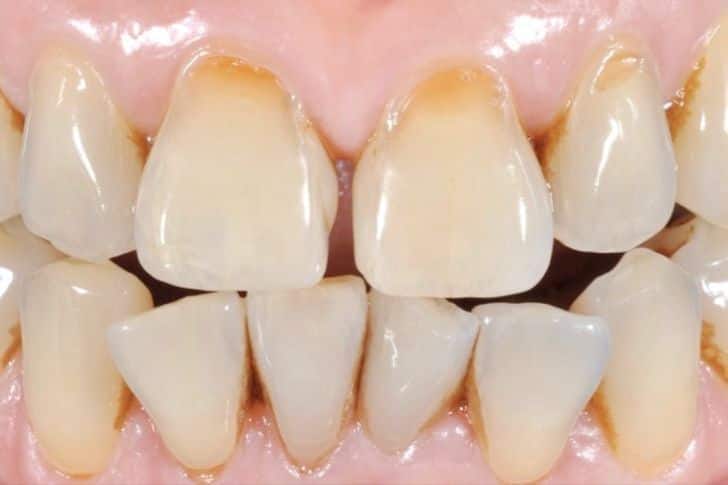
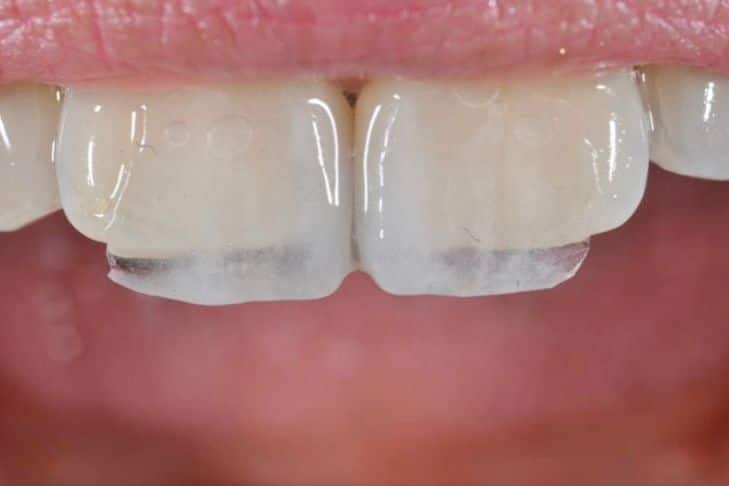
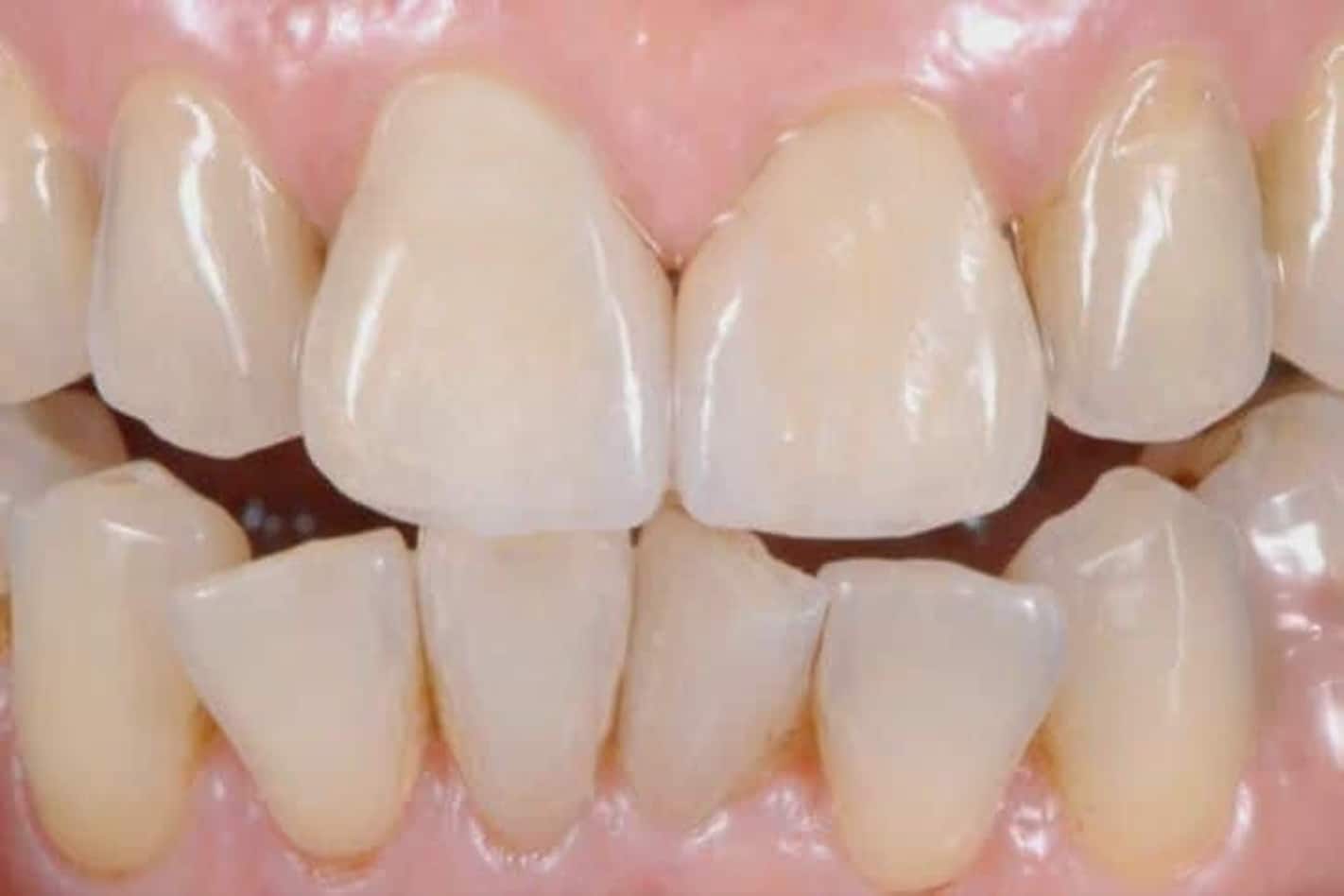
Building structure and volume
Adhesive Dentistry at the Back of the Mouth
An onlay is a ceramic restoration bonded to the biting surface of a back tooth. It replaces the part of the tooth that was lost, and only that part; what is still sound stays.
That is the difference adhesive dentistry makes. A crown has to remove tooth structure all the way round to hold on mechanically. A bonded onlay holds on chemically, so the preparation follows the damage instead of a shape, and a tooth that would once have been cut down for a crown keeps most of itself.
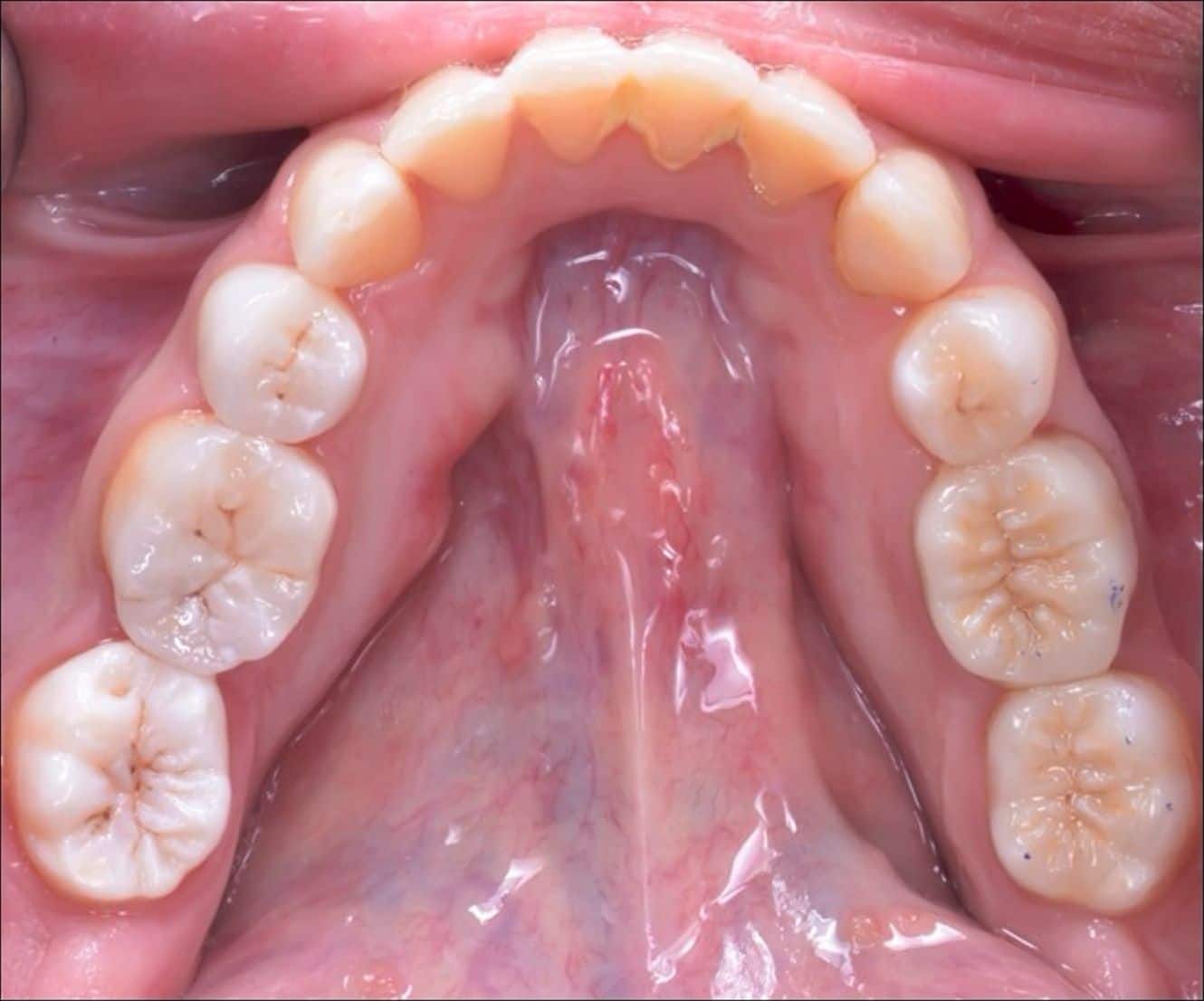
Two teeth below, each in three steps: what arrived, what was left once the old restoration and the decay beneath it were gone, and the finished onlay in place.
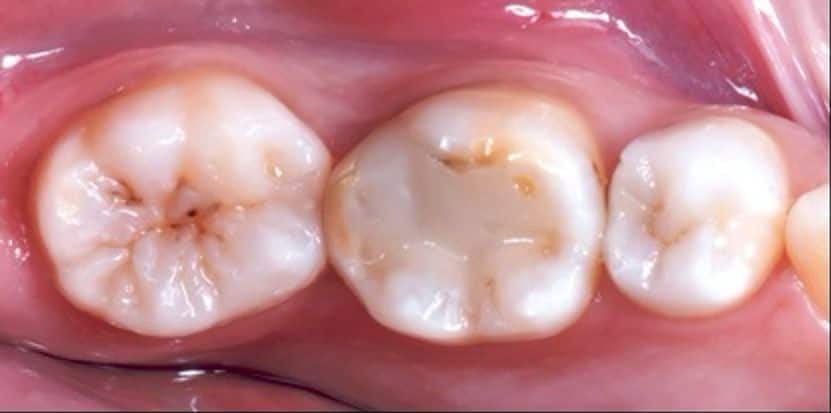
Before
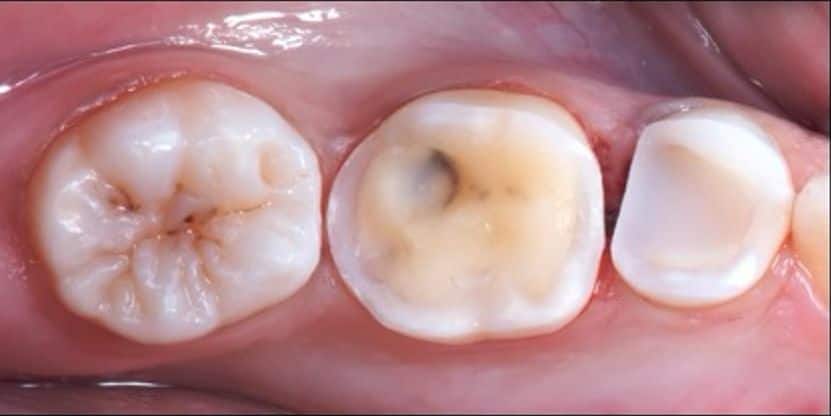
Prepared
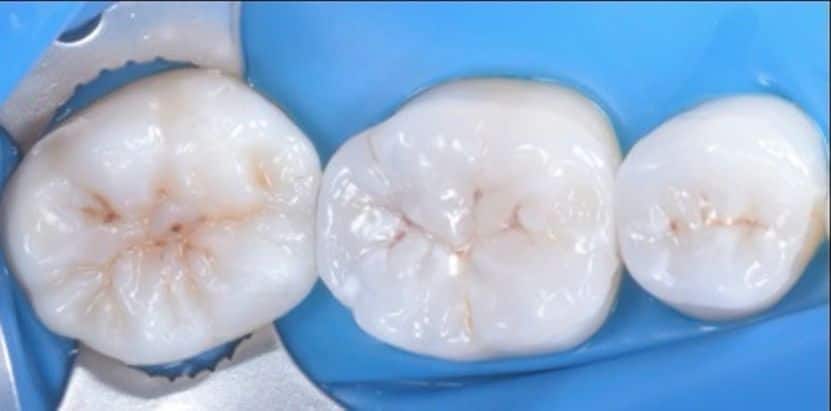
The onlay, on the model
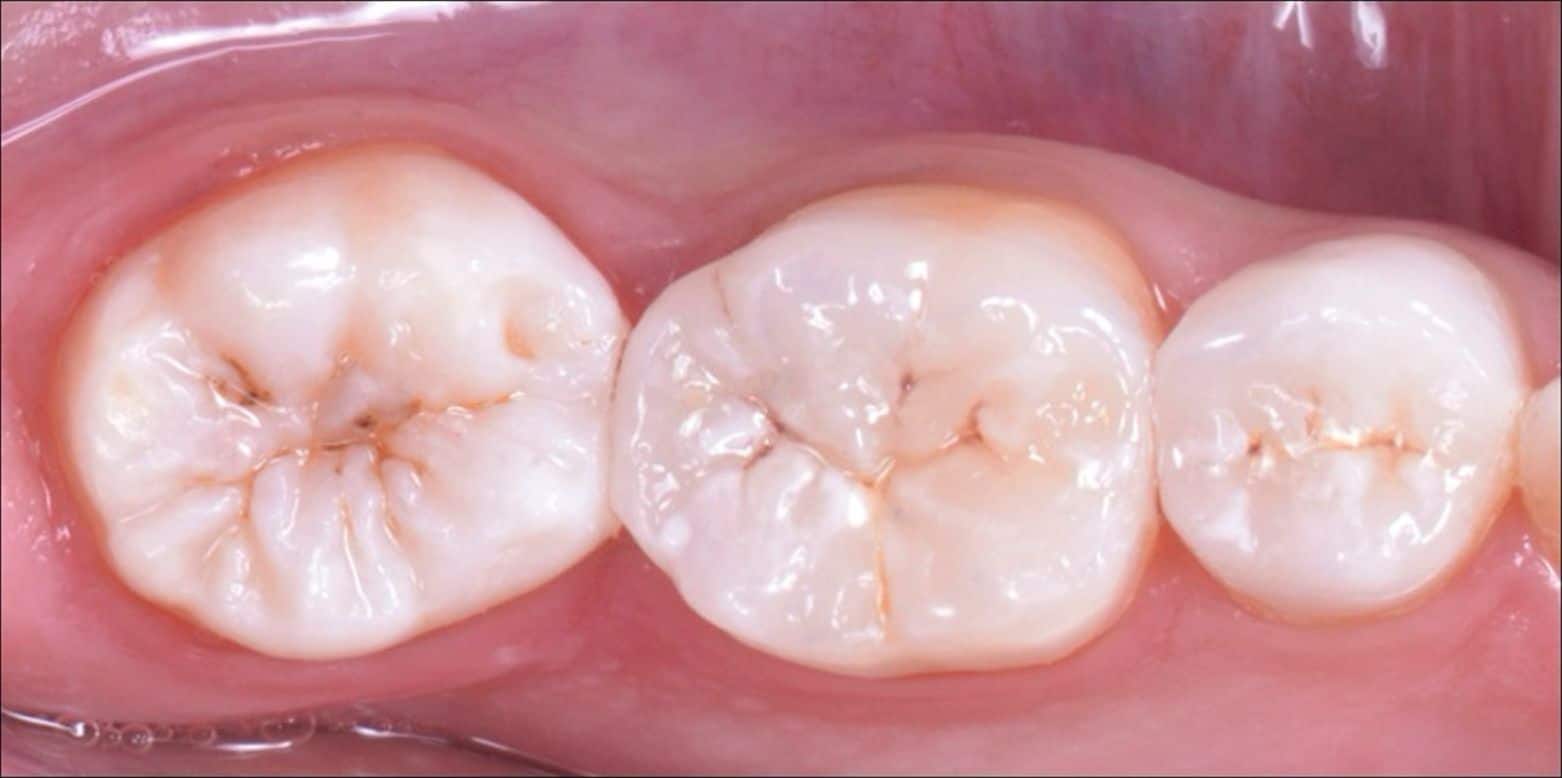
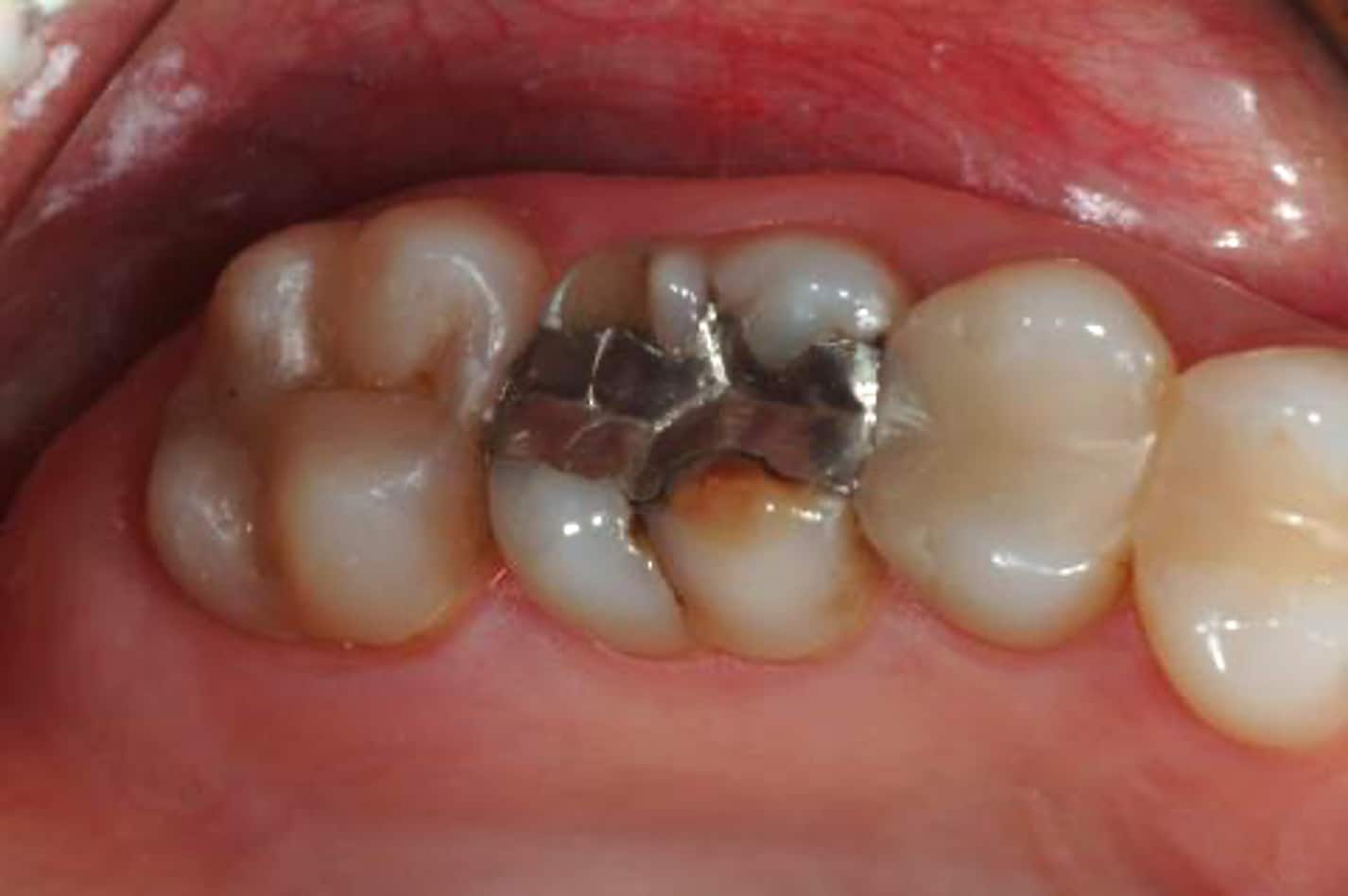
Before
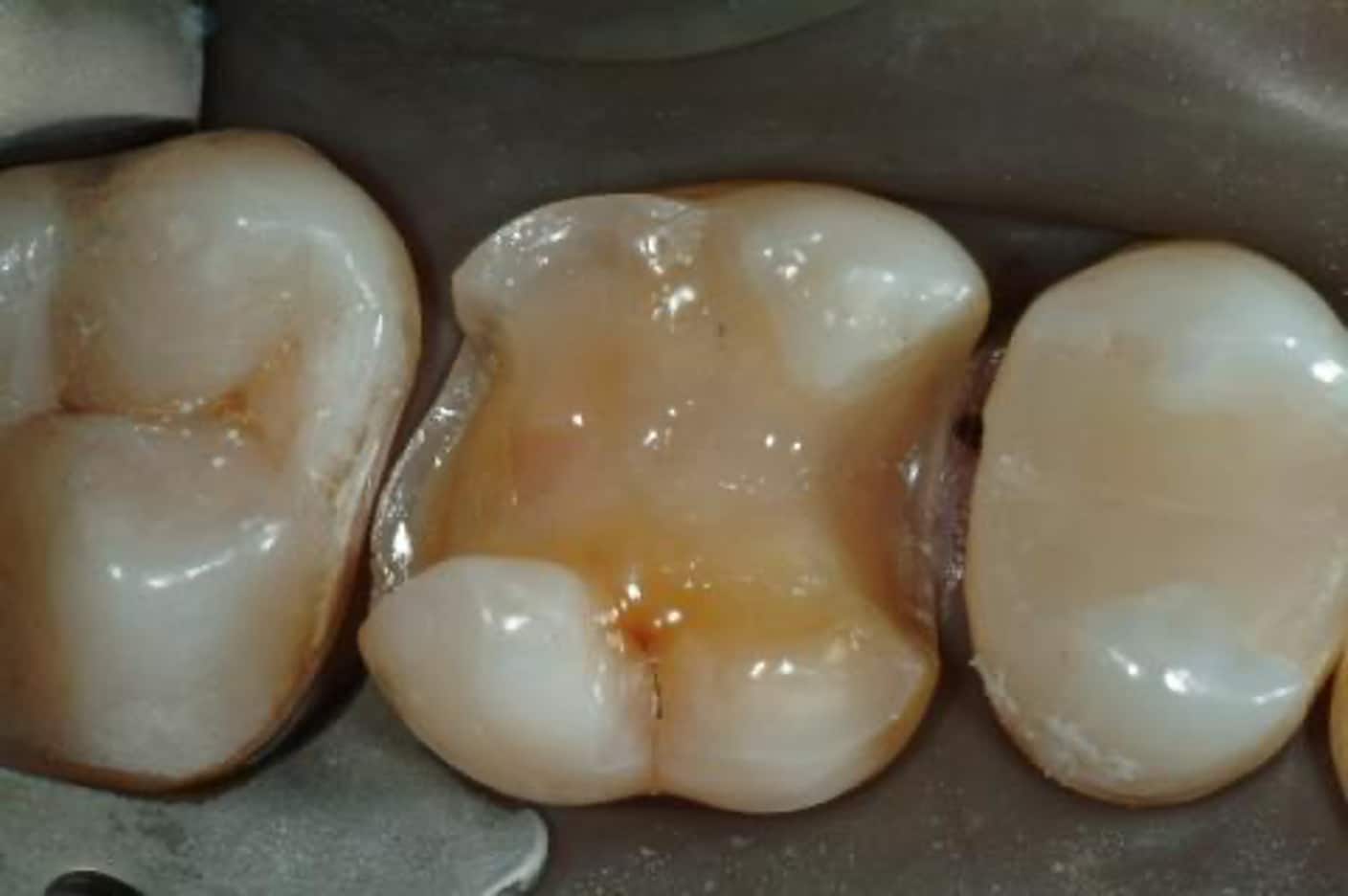
Prepared
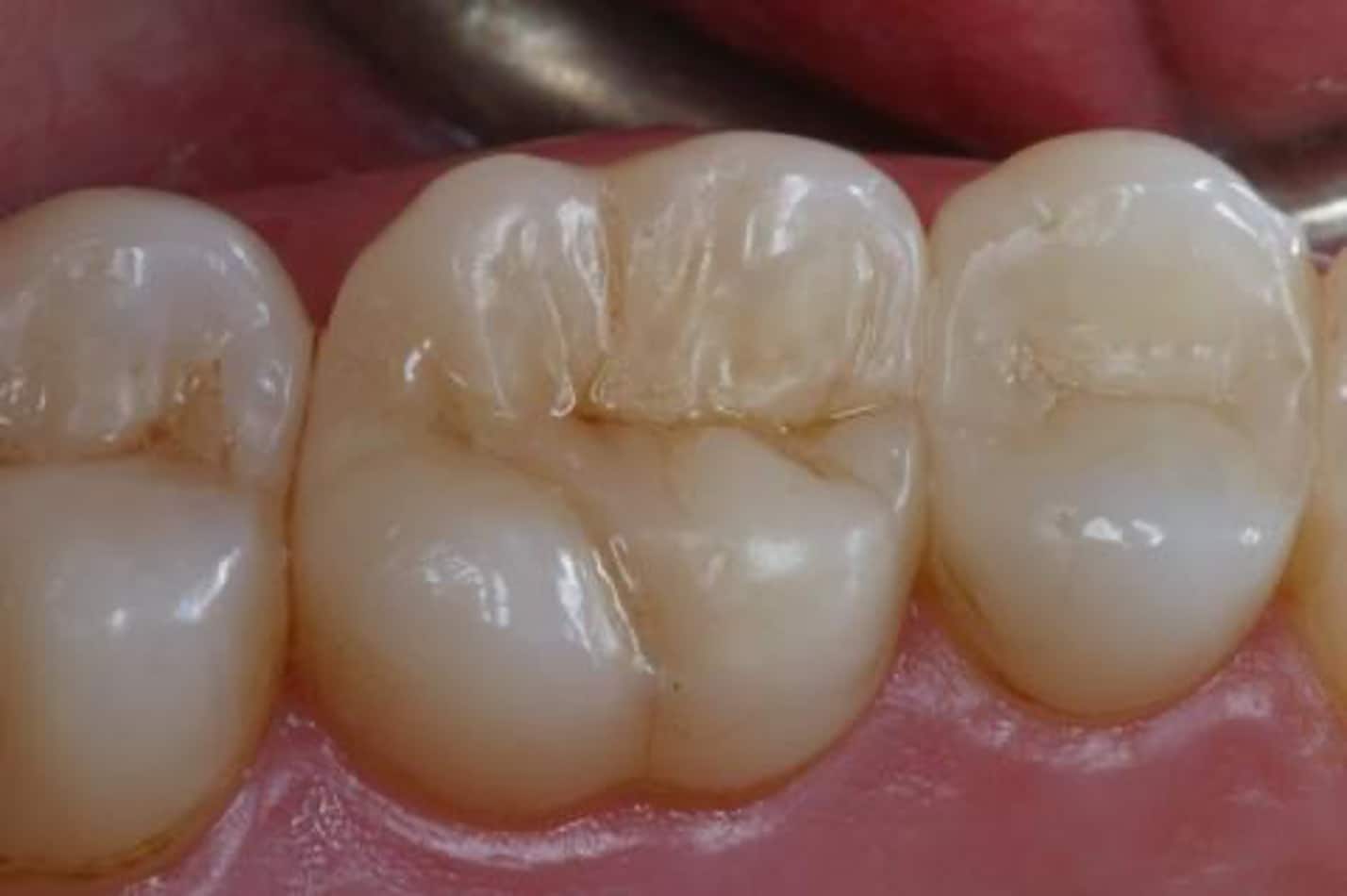
After
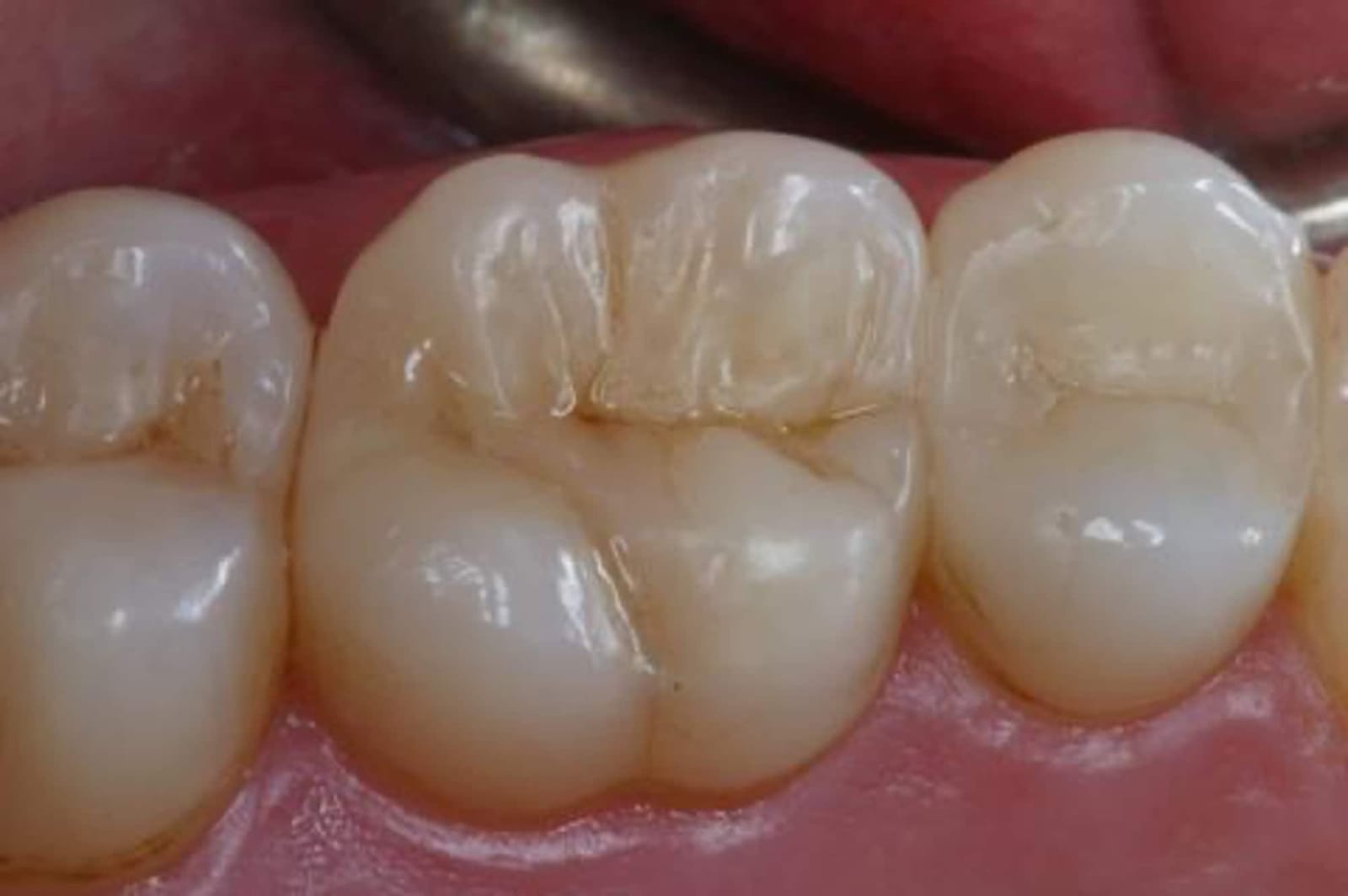
Every case is planned around one person's anatomy. Individual results vary.
Dental Bonding with the Dahl Appliance
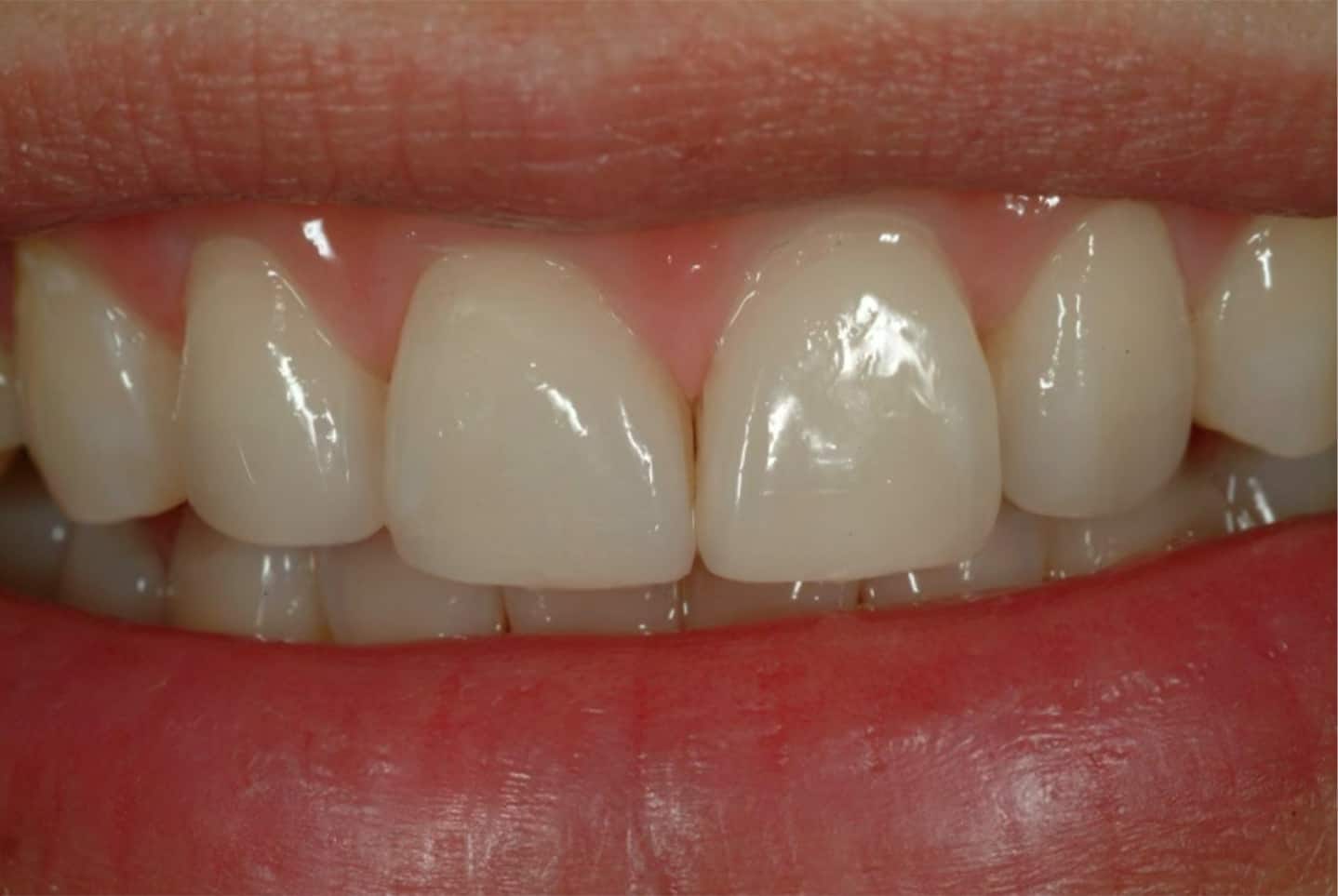
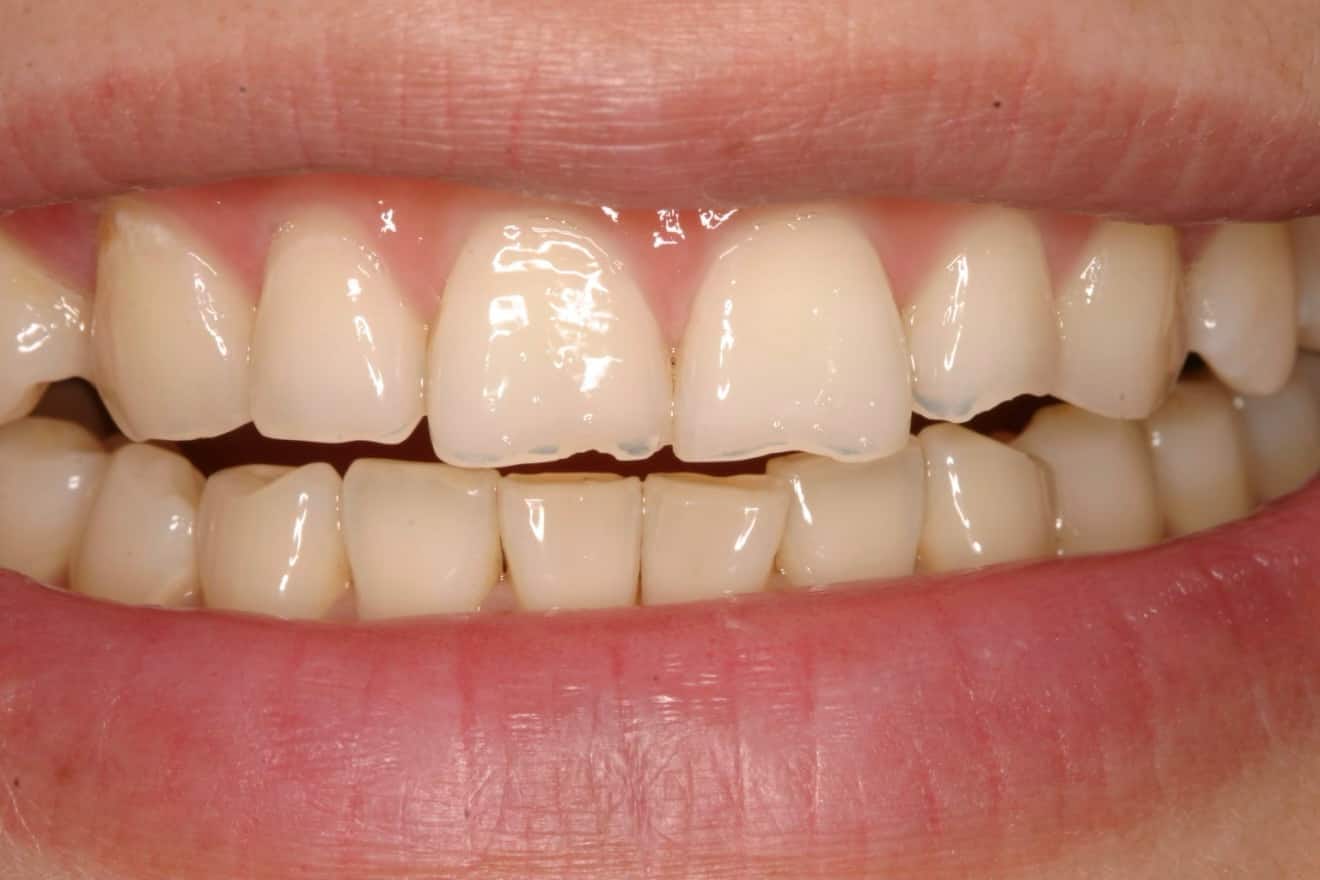
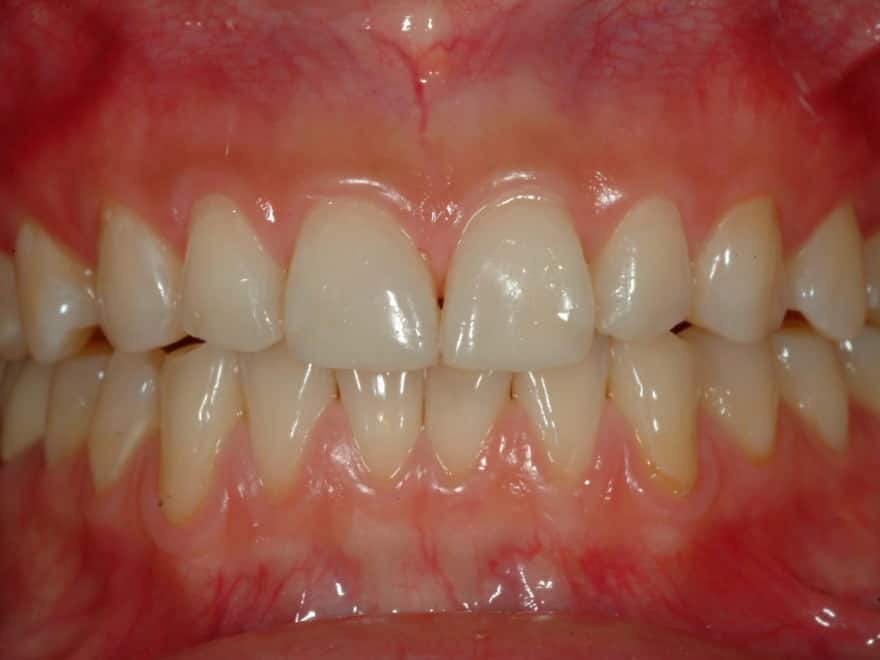
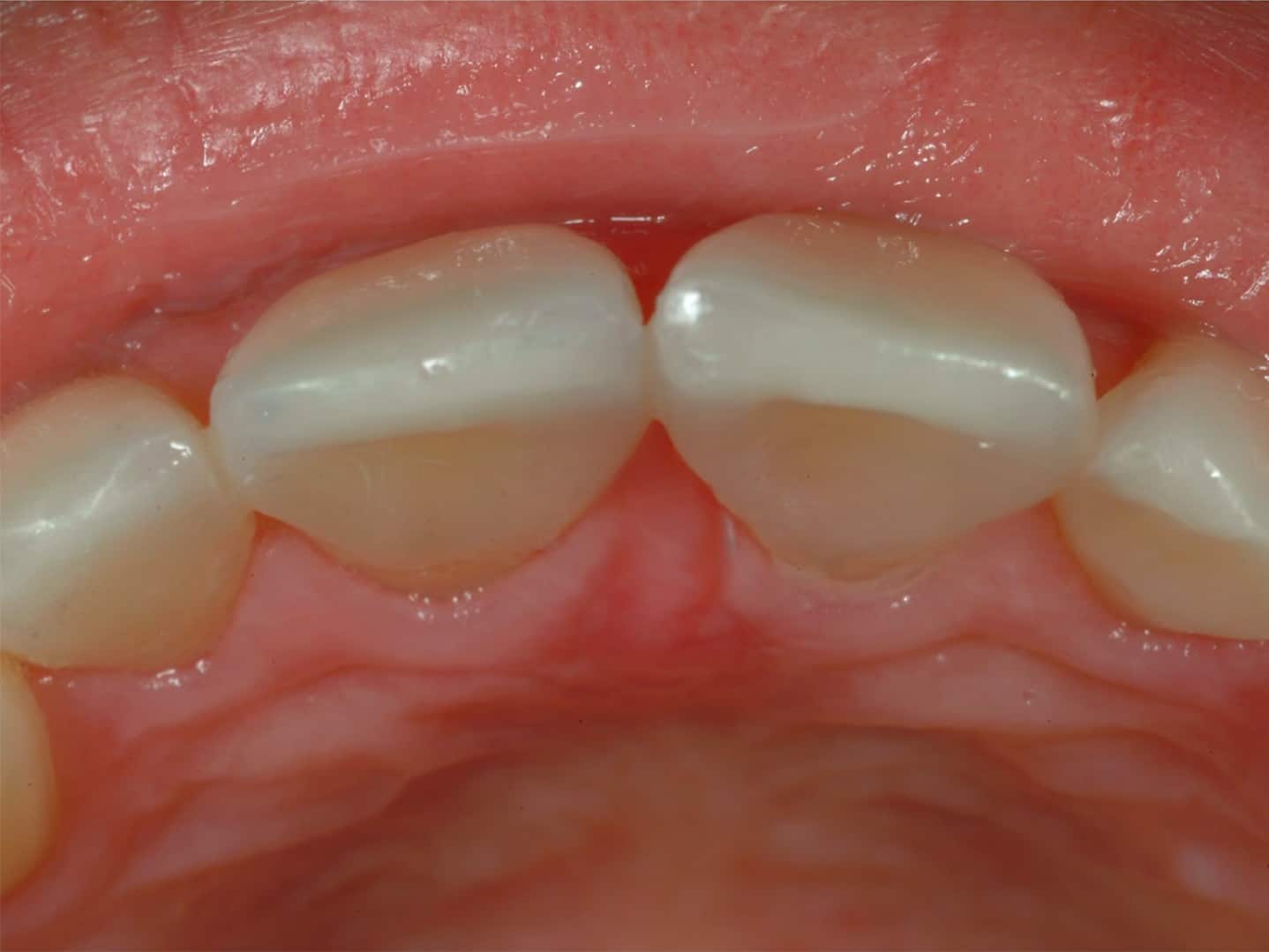
The Least Intervention Possible
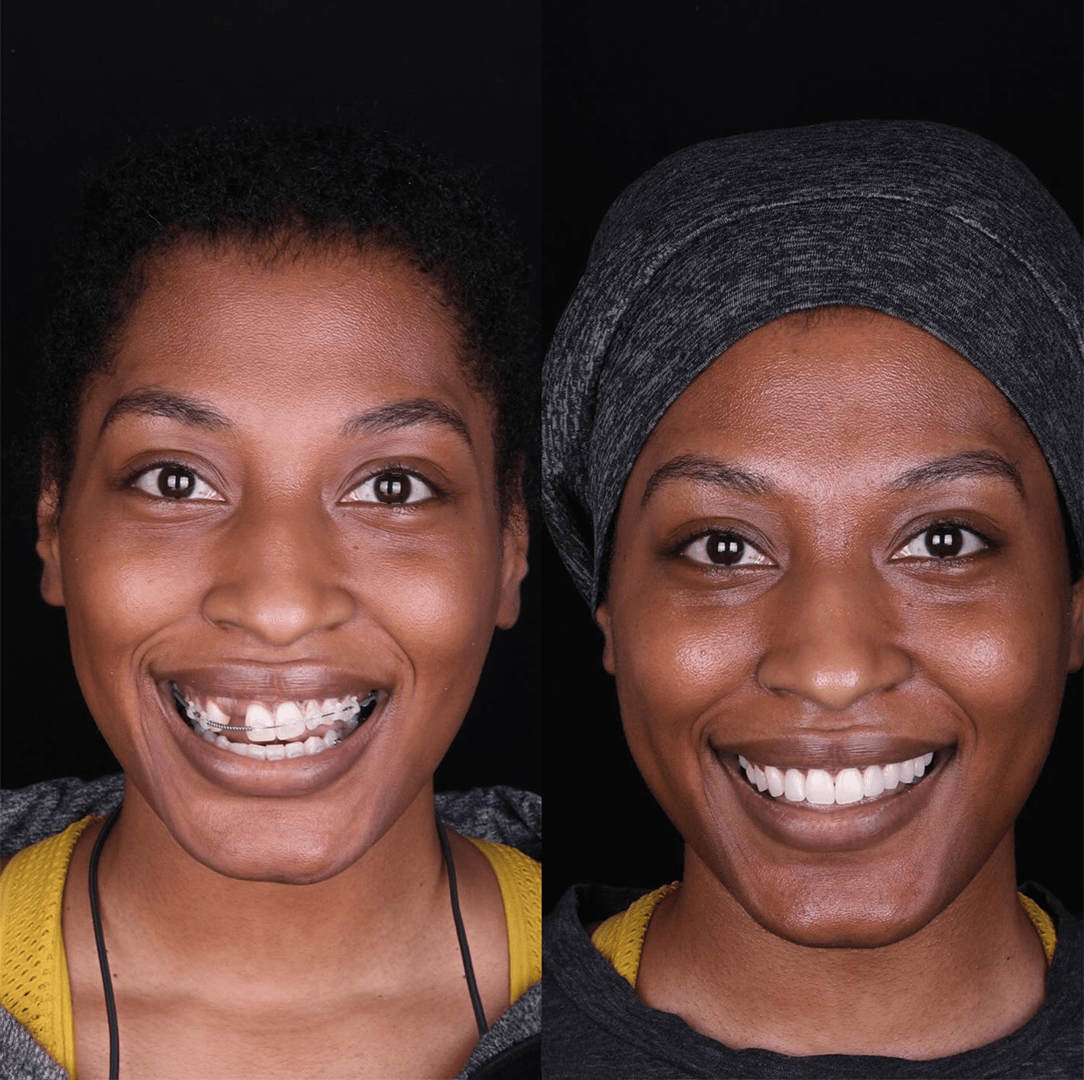
The prosthodontist is the quarterback. Every decision, every phase, every specialist involved answers to one thing: the final result.
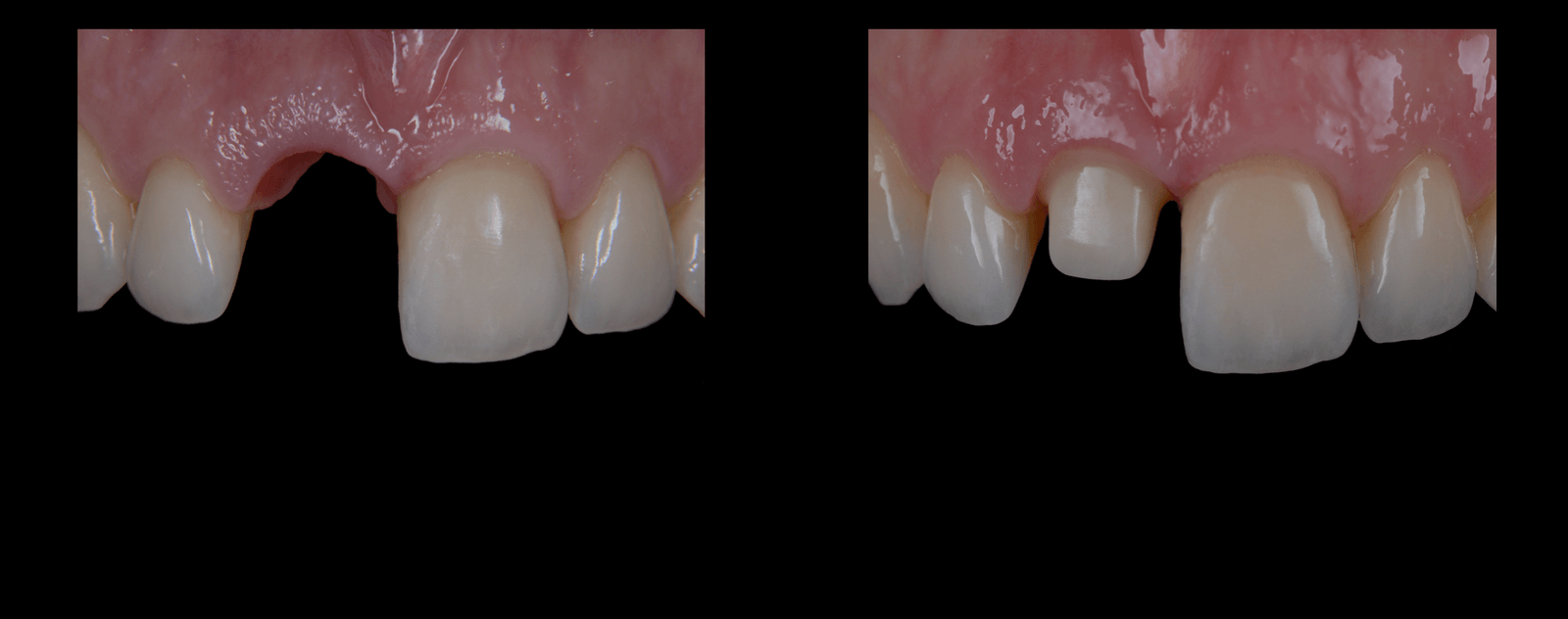
This patient presented with midface canting, a congenitally missing upper left lateral incisor, and a peg-shaped lateral on the opposite side. Without a clear restorative plan driving the process, this case falls apart.
The prosthodontist mapped the end point first, then directed every phase backward from there. Orthodontics moved the teeth into ideal position. Periodontics corrected the excessive tissue display through osteotomy. The implant was placed where the final restoration demanded it.
One implant crown. One ceramic veneer. Symmetry restored. Tissue preserved. Healthy tooth structure left untouched.
Minimal invasion, maximum impact — a smile that looks like it was never worked on at all.
Preserving the Bone and Reshaping the Gums
Other Specialists Treat in Parts. The Prosthodontist Sees the Whole Picture.
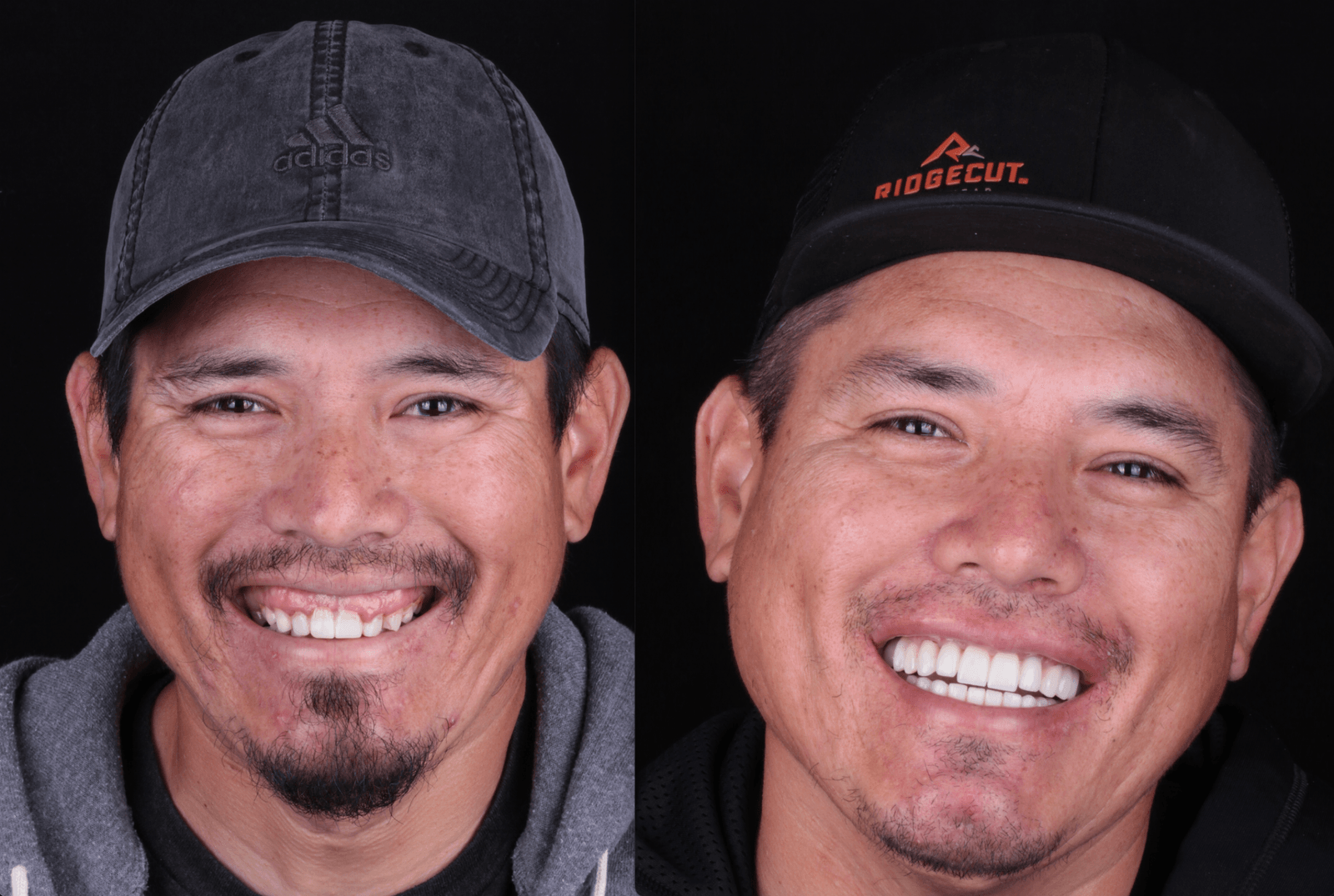
This patient presented with a severe gummy smile and extruded teeth. Replacing the teeth alone would have solved nothing. The real challenge was correcting the gummy display while restoring everything in harmony with his lips, his speech and his bite.
The prosthodontist planned every detail before anything was touched. Implants were placed deeper, not at the default position, but where natural gum levels demanded them. Every angle was calculated around how this patient speaks, how his lips move and how his bite functions. No pink ceramics. No artificial gumline. Nothing to fake what should be real.
This is what implant dentistry actually means when it is done right. It is not just about replacing what is missing. It is about understanding how the entire system works together and building within it.
Seven years later, this smile still looks the way it did the day it was delivered. Stable. Healthy. Natural.
When the planning is precise and the execution is patient, the results speak for themselves for years.
Minimally Invasive Veneers and One Implant
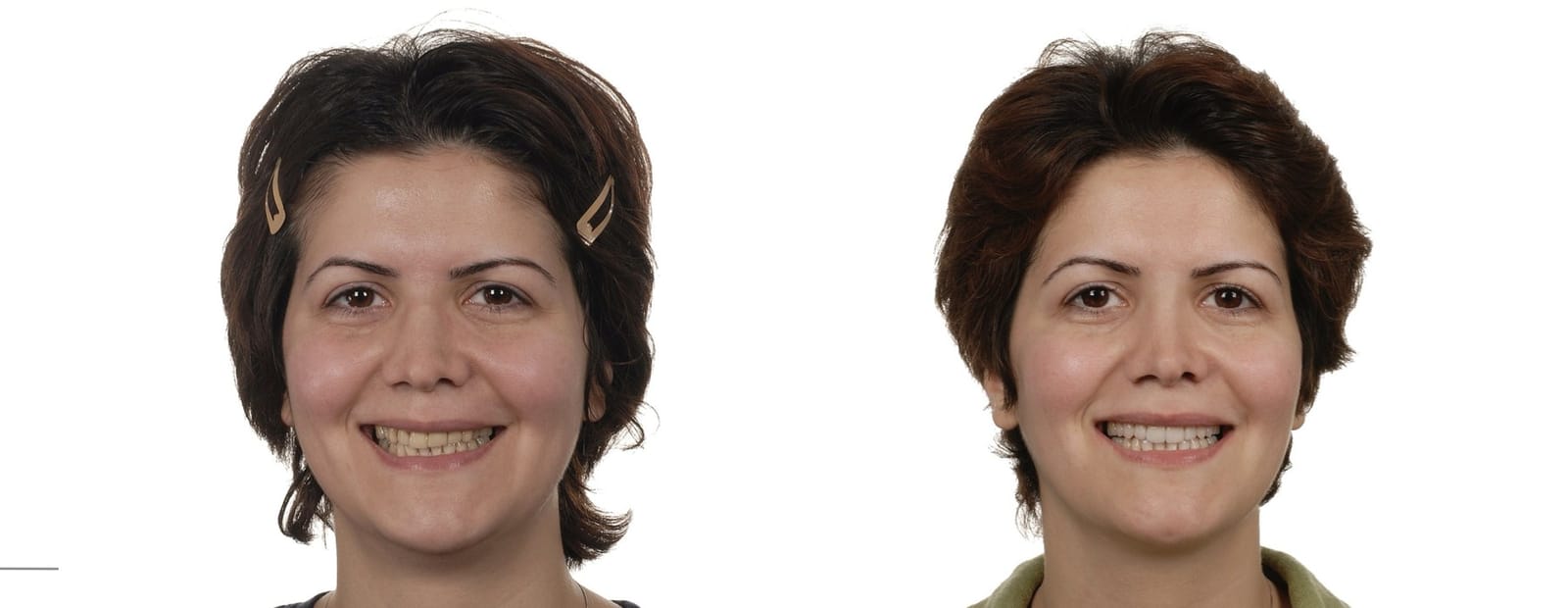
A dramatic transformation begins with a clear restorative vision. Implants replace what is missing. Veneers perfect what remains. The result is a smile designed as one unified composition.
Understanding how ceramic materials behave under different lighting conditions is what separates a good result from an extraordinary one. Surface texture, translucency, and color mapping must all be calibrated so the restoration reads as natural — indoors, outdoors, in photographs, and in life.
A deep command of occlusal function, material science, and the mechanical properties of each restoration ensures the work performs for decades — not just on day one. When the prosthodontist understands the limits and strengths of every material in the system, longevity is engineered into the result from the start.
Precision in planning. Mastery of materials. A smile makeover built to stand the test of time — over twenty years and counting.
Bonded Veneers & Single Implant
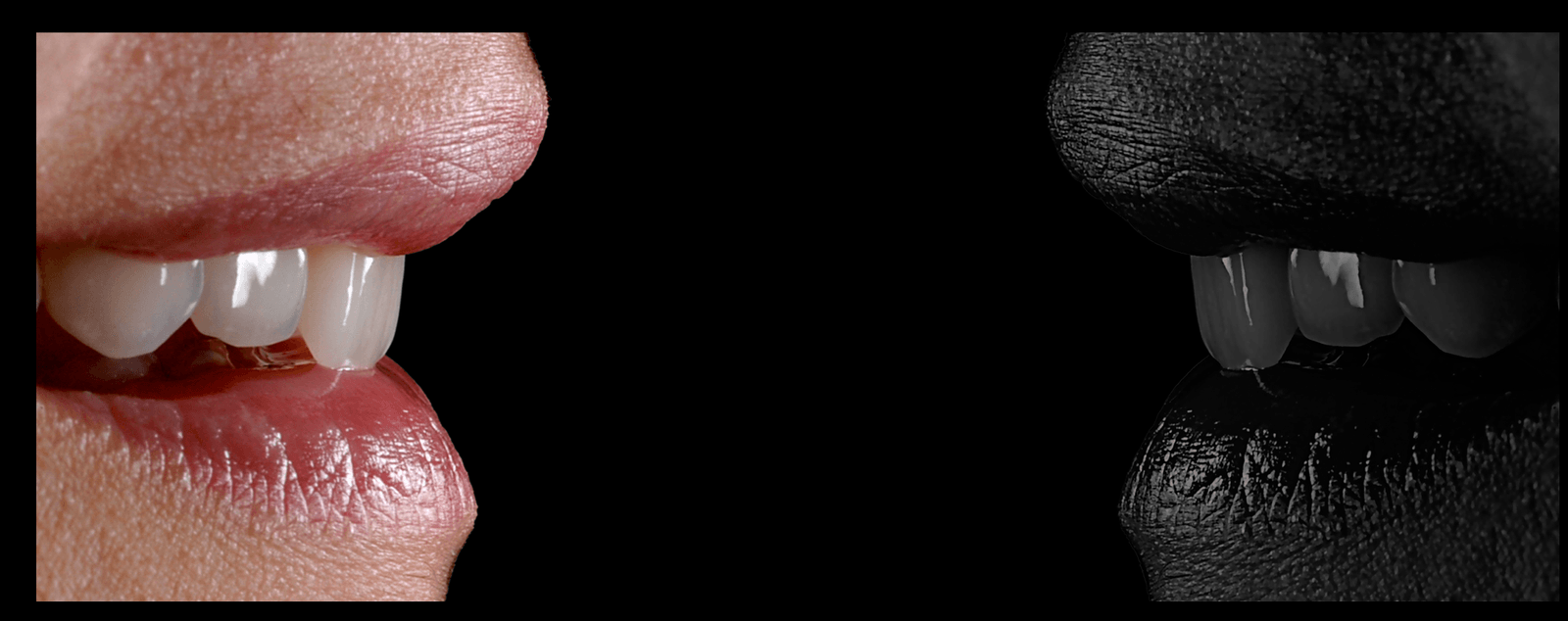
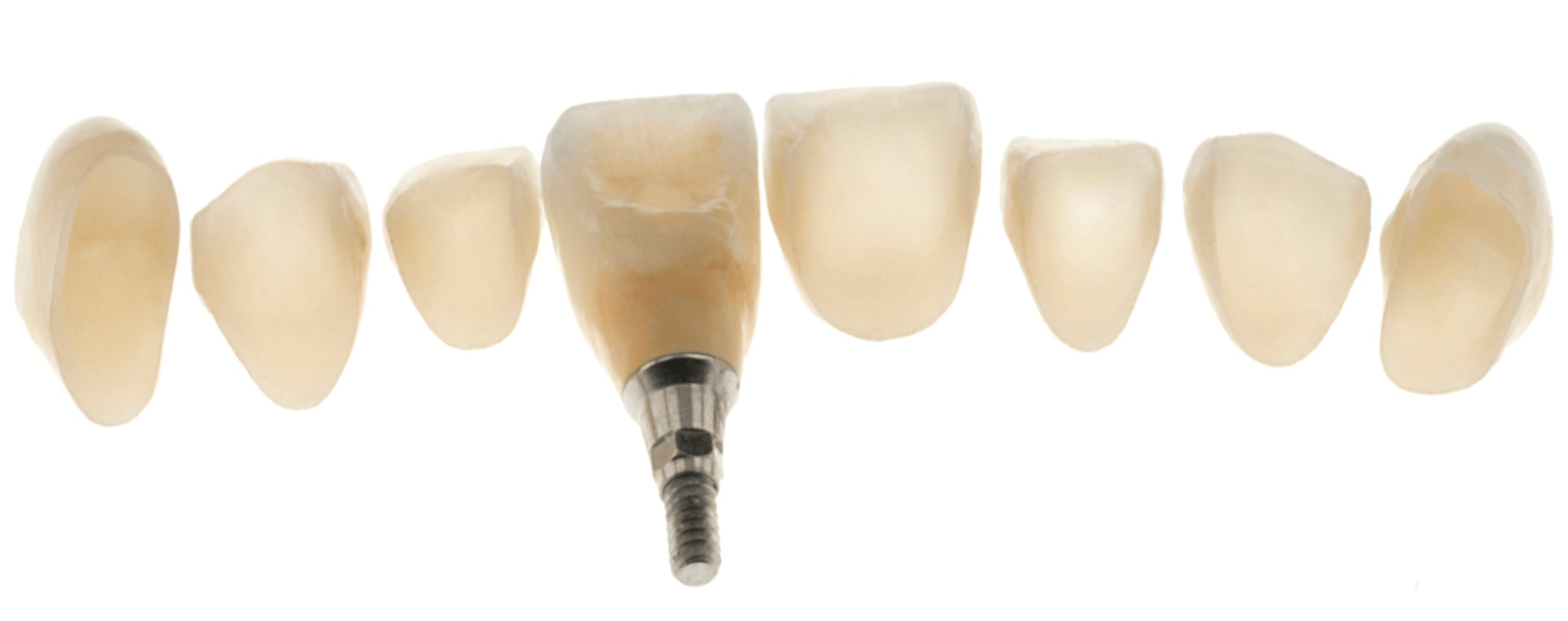
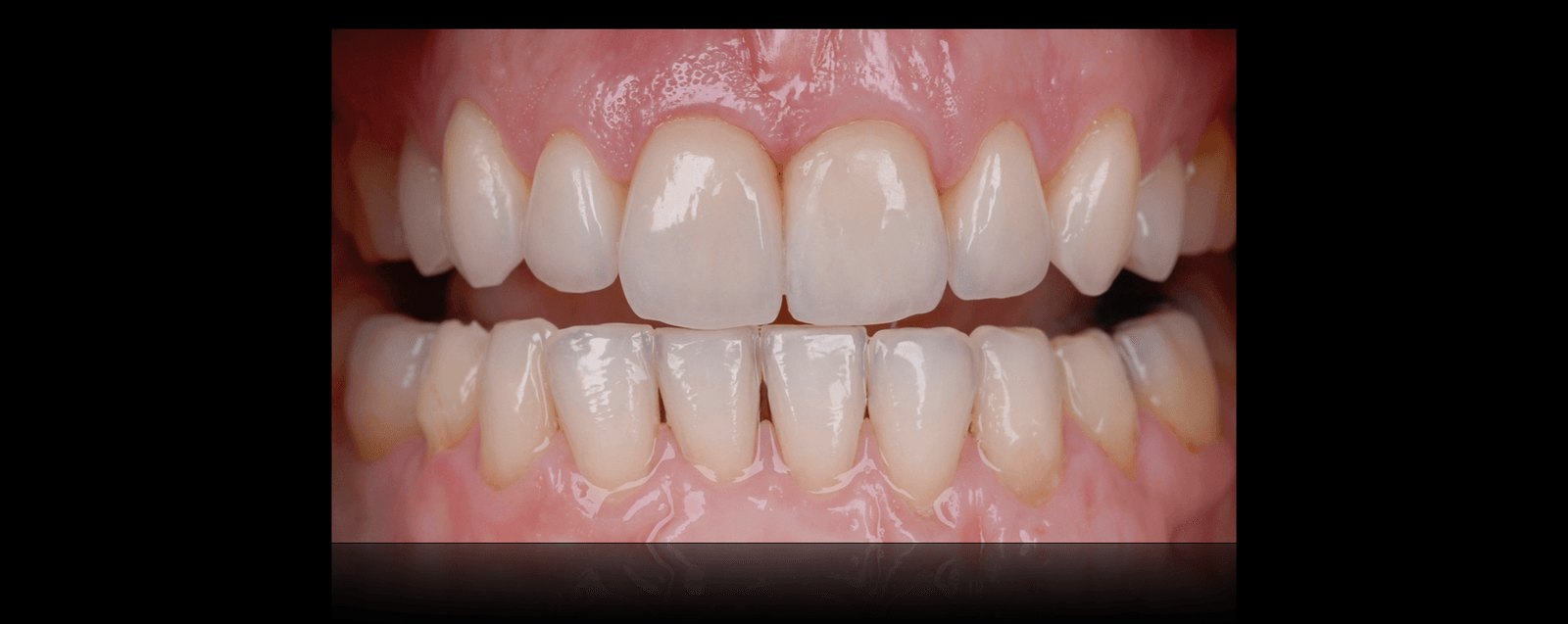
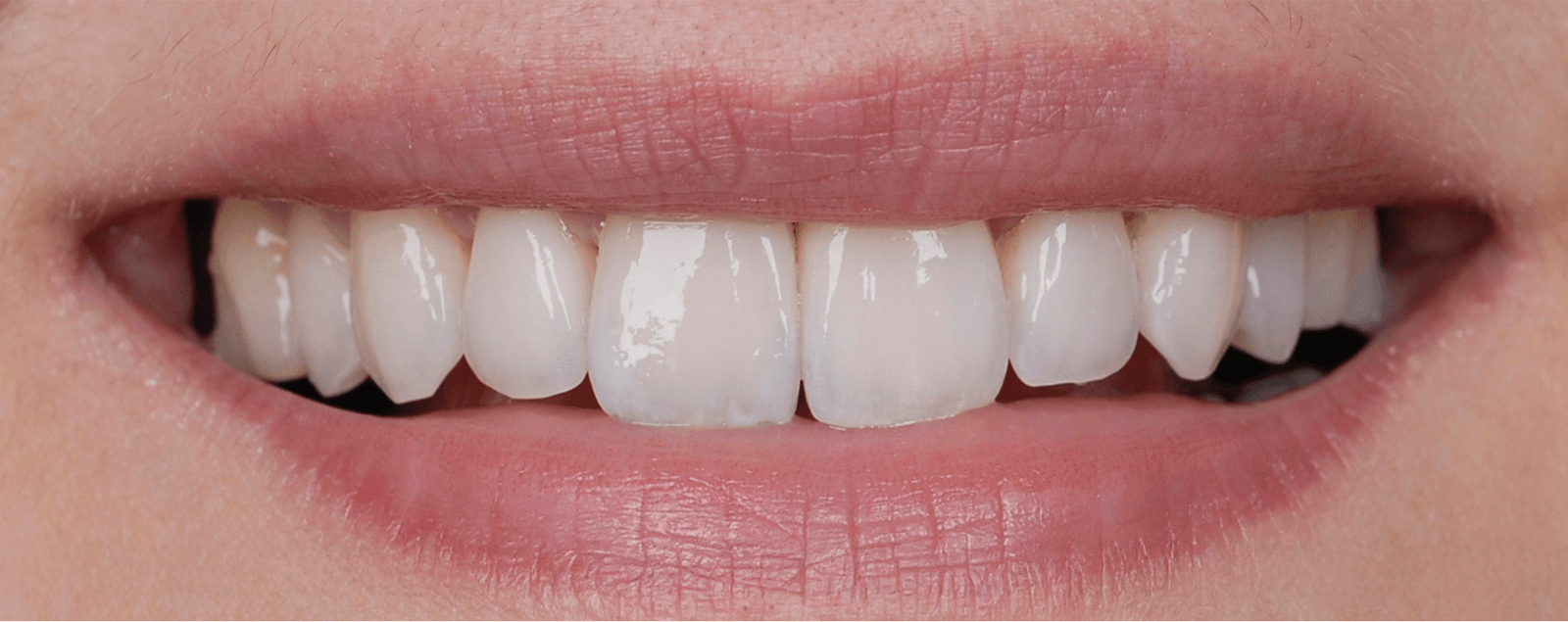
"One implant. Bonded veneers. A single unified composition."
Precision ceramics by master technician
What Minimally Invasive Dentistry Is
Classical crowns rely on retention and resistance form: the tooth is shaped with a drill so the crown holds on mechanically. They work, and they still have their place. Bonded restorations are glued to the tooth instead, so far less needs to be removed, and sometimes nothing at all.
Minimally invasive dentistry is that second approach practised as a discipline: treat only what is damaged or diseased, bond the restoration to what is left, and leave healthy tooth alone. Your teeth are living structures, and every millimetre kept is a millimetre that never needs rebuilding later.
Biomimetic Dentistry: Replacing Like With Like
Biomimetic means to mimic biology. Each layer of a bonded restoration is matched to the tissue it replaces: composite where dentin was lost, ceramic where enamel was. The idea is borrowed from engineering. Cars have crumple zones: the part designed to fail protects the passengers. In a bonded tooth, the restoration is that part. Stronger is not always better, because a restoration far stiffer than the tooth passes the load into the root.
Our Beverly Hills office at 414 N. Camden Dr., Suite 750 opens in January 2027. Until then, call (310) 444-5217 and we'll arrange your consultation.
Immediate Dentin Sealing
The key to a lasting bond is sealing the freshly cut dentin immediately, before impressions are taken, rather than weeks later when the final restoration is fitted. It protects the tooth in between and produces a much stronger, more durable bond.
It is the difference between a bond that lasts and one that does not, and it is why the sequence of a visit here is planned around it.
What Bonding Can Rebuild
Front teeth. A broken incisor with very little tooth left under its old crown, rebuilt with immediate dentin sealing and a bonded porcelain restoration instead of a root canal, a post, a crown and crown lengthening surgery, still in place after more than twenty years. Teeth shortened by acid erosion, restored through a mock-up the patient approved first, with thin frontal-path veneers, twenty years on.
Back teeth. A molar with almost nothing above the gum, where the usual plan would be a post and crown or extraction and an implant, rebuilt with a bonded overlay: composite replacing the lost dentin, the overlay bonded with warmed composite vibrated into place. No post, no crown lengthening, functioning perfectly at five and a half years. Both are shown step by step in the guide to rebuilding damaged teeth.
Our Beverly Hills office at 414 N. Camden Dr., Suite 750 opens in January 2027. Until then, call (310) 444-5217 and we'll arrange your consultation.
Porcelain or Composite
Both are excellent, and both can break. What matters is how they break. In fatigue testing on root-treated molars with a 3 mm overlay and no post, failures stayed within the restoration and the dentin seal held. A broken overlay can be replaced; the tooth underneath survives.
Porcelain is stronger and more wear-resistant, keeps its colour and polish, and is Dr. Reshad's usual preference further back in the mouth; it is stiffer, so in extreme overload a fracture can take tooth with it. Composite acts as a shock absorber and protects the root, is kind to opposing teeth and easy to repair, and is useful nearer the front and for heavily compromised teeth; it wears and stains more over time.
Who It Is For, and Who It Is Not
If you have been told you need a crown, a root canal or an extraction, a bonded restoration may do the job with far less of your tooth removed. But bonding needs healthy dentin, a dry field and a manageable bite. Some teeth are too broken down, and for them a crown, a post or gold is the treatment that will actually save the tooth. Dr. Reshad practises both approaches every week, so the choice is made for your tooth, not for a technique.
"I was told I needed three crowns. Dr. Reshad saved all three teeth with conservative bonded restorations. That was five years ago and they're still perfect."
Frequently Asked Questions
Dr. Mamaly Reshad, a prosthodontist at ArtLab Dentistry, 414 N. Camden Dr., Suite 750, Beverly Hills, rebuilds teeth with bonded onlays, overlays and veneers that keep as much of your own tooth as possible, for patients across Los Angeles.
It can be, when the tooth is a candidate. In fatigue testing on root-treated molars with a 3 mm overlay and no post, failures stayed within the restoration and the dentin seal held, so a broken overlay can be replaced while the tooth survives. Dr. Reshad's own bonded cases have been followed for more than twenty years.
Not always. Bonding needs healthy dentin, a dry field and a manageable bite. Some teeth are too broken down, and for them a crown, a post or gold is the treatment that will actually save the tooth.
It can happen. When it does, it usually breaks within the restoration and leaves the tooth intact, so it can be repaired or replaced rather than losing the tooth.
Minimally invasive procedures are often comparable in cost to traditional approaches, and can save money long-term by reducing the need for retreatment, root canals, and more extensive restorations down the road.
Schedule a consultation with Dr. Reshad. He will evaluate your specific situation and recommend the most conservative, effective treatment plan tailored to your needs.
Explore More Services
Medically reviewed by Dr. Mamaly Reshad, BDS (Lond), MSc (Lond), Cert Pros (USC), Prosthodontist — Last reviewed July 2026
Ready to Transform Your Smile?
Schedule a private consultation with Dr. Reshad to discuss your goals and explore your options.