Case 32 · Cosmetic · Crowns
Restoring a Beautiful Smile
Her teeth were too long, and she had never chosen them that way.
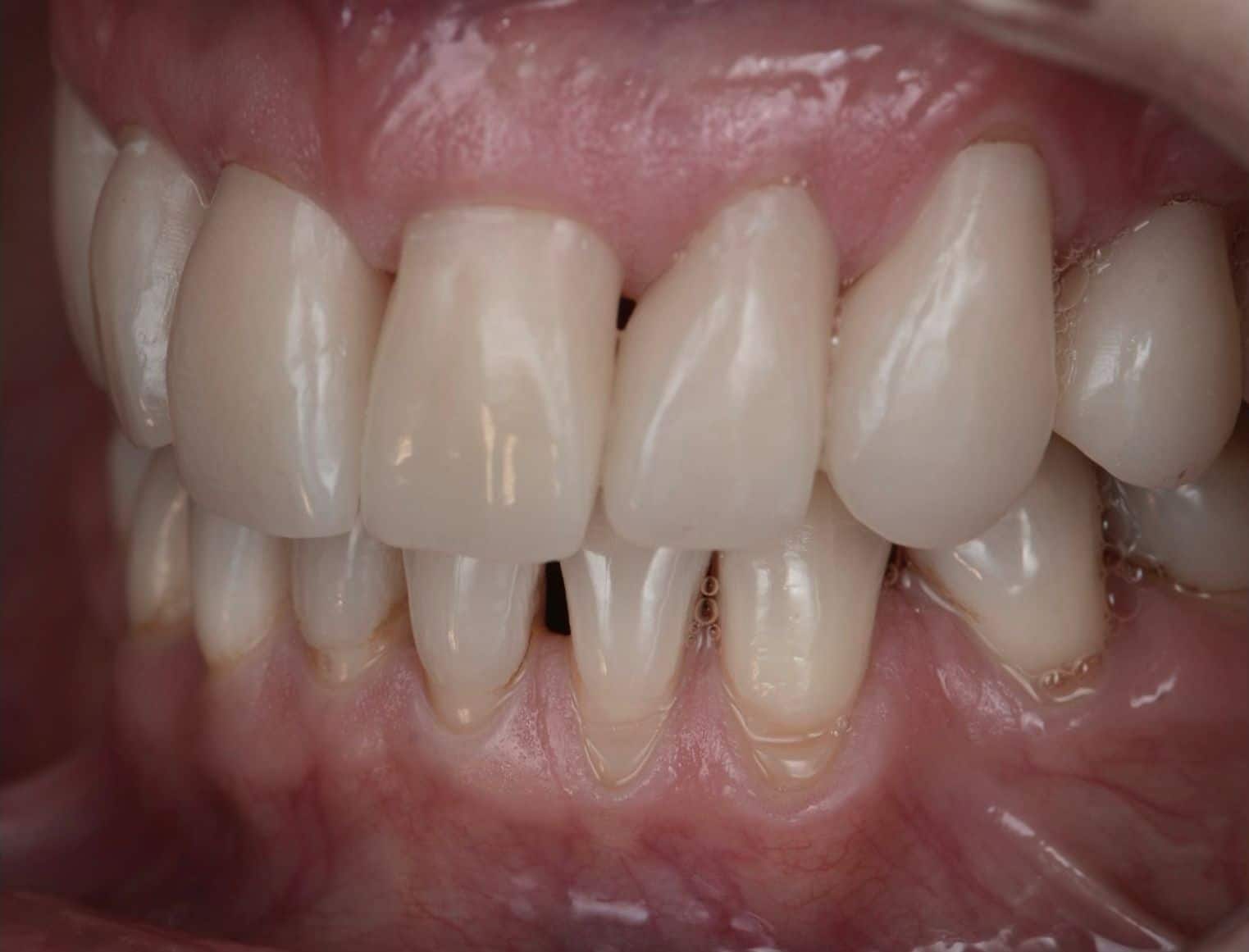
Gum disease had taken the tissue back, so more of each tooth was showing. The teeth had drifted outward and downward into the space the disease left behind. Between them, dark triangles had opened where the gum used to fill the gap, and the old crown margins were on display at the gum line.
The infection was dealt with first. Dr. Reshad treated her alongside his periodontist colleague, and by the time this work began her gums were healthy and stable.
Then came the harder question: what should these teeth actually look like.
Before and after
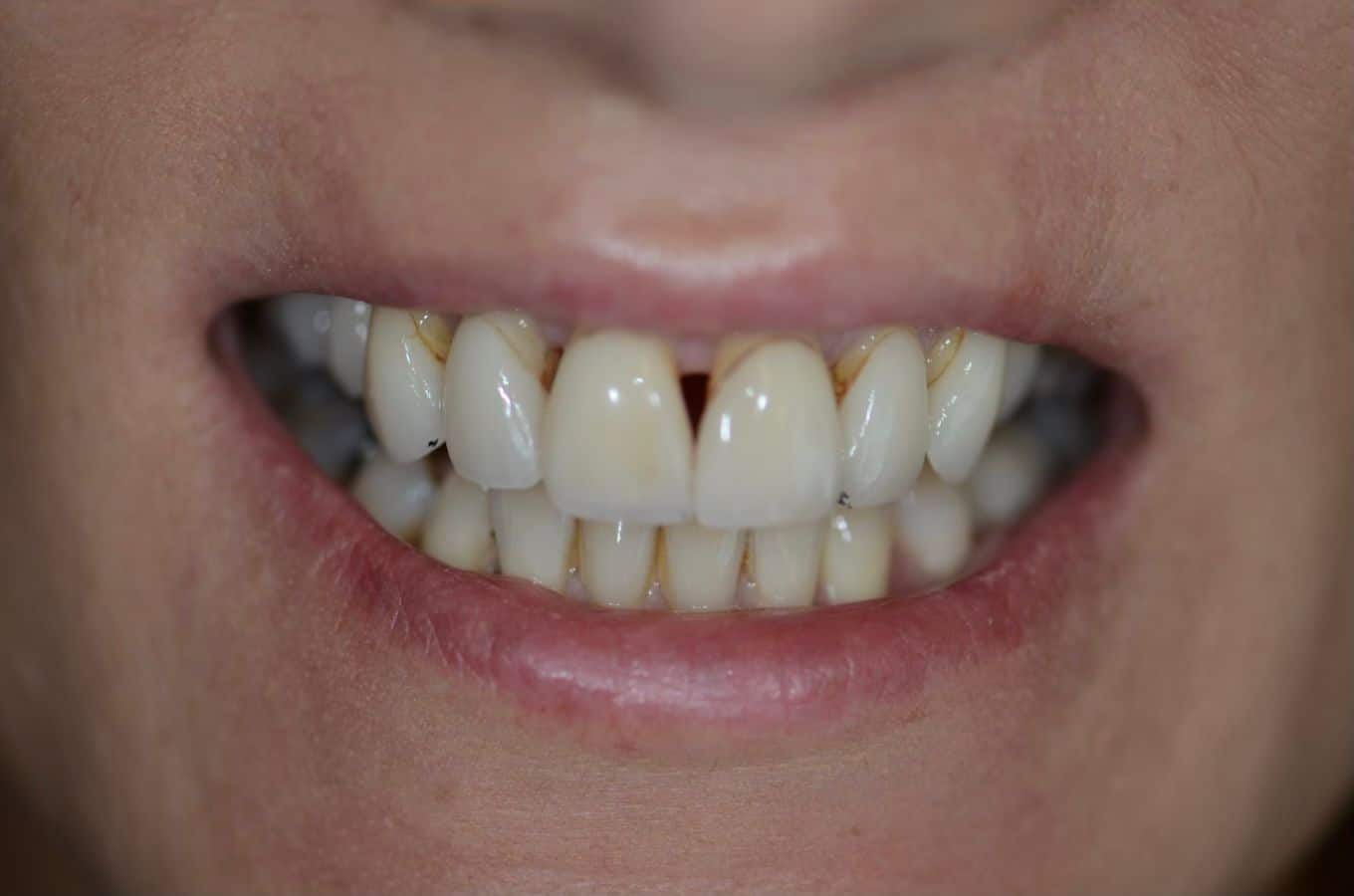
Teeth that had grown longer than she ever chose
More of every tooth was showing than should have been, and the old crown margins sat exposed along the gum line.
The dark triangles are the part people notice. They open when the gum recedes out of the space between two teeth, and no amount of brushing closes them again.
On arrival
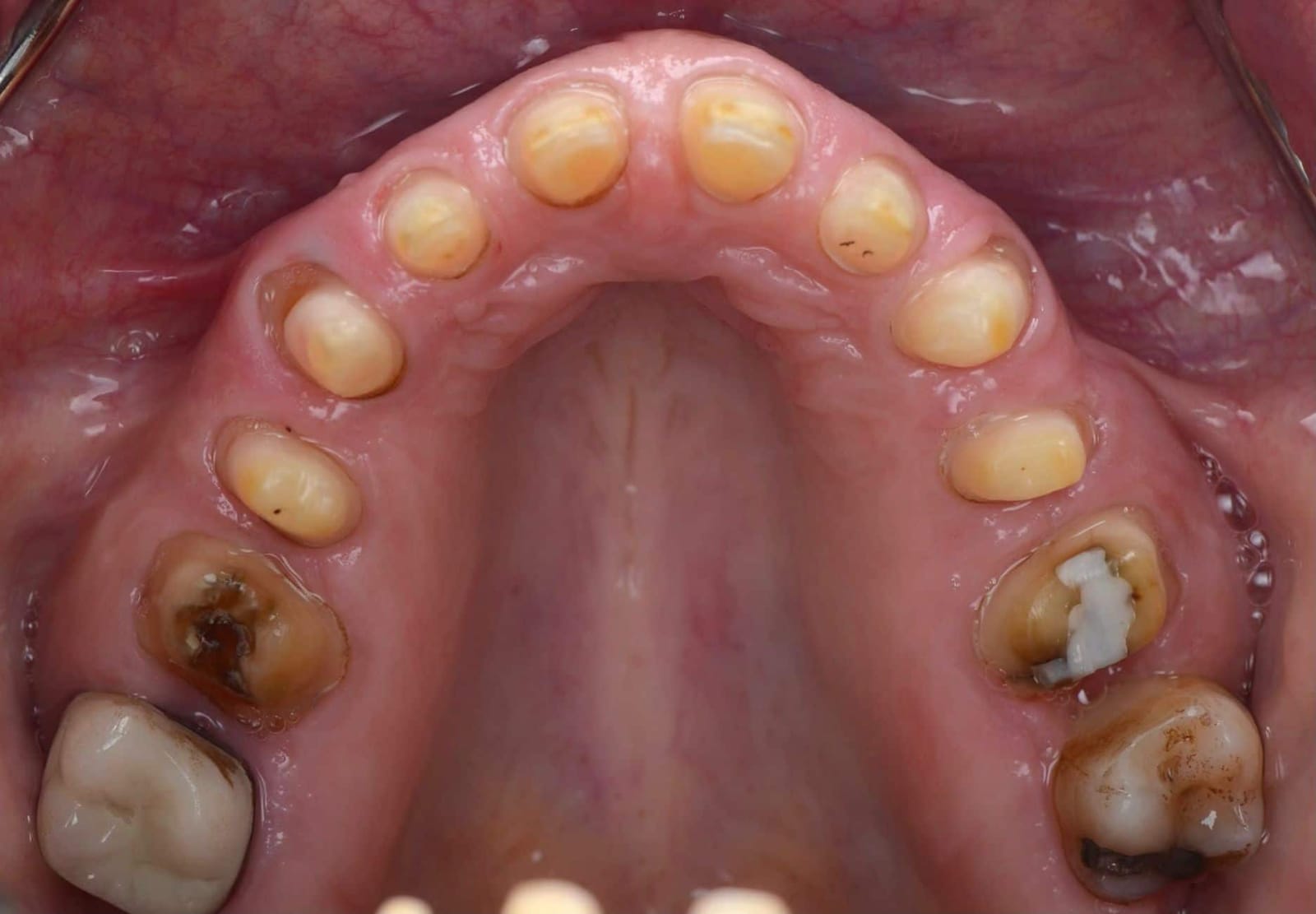
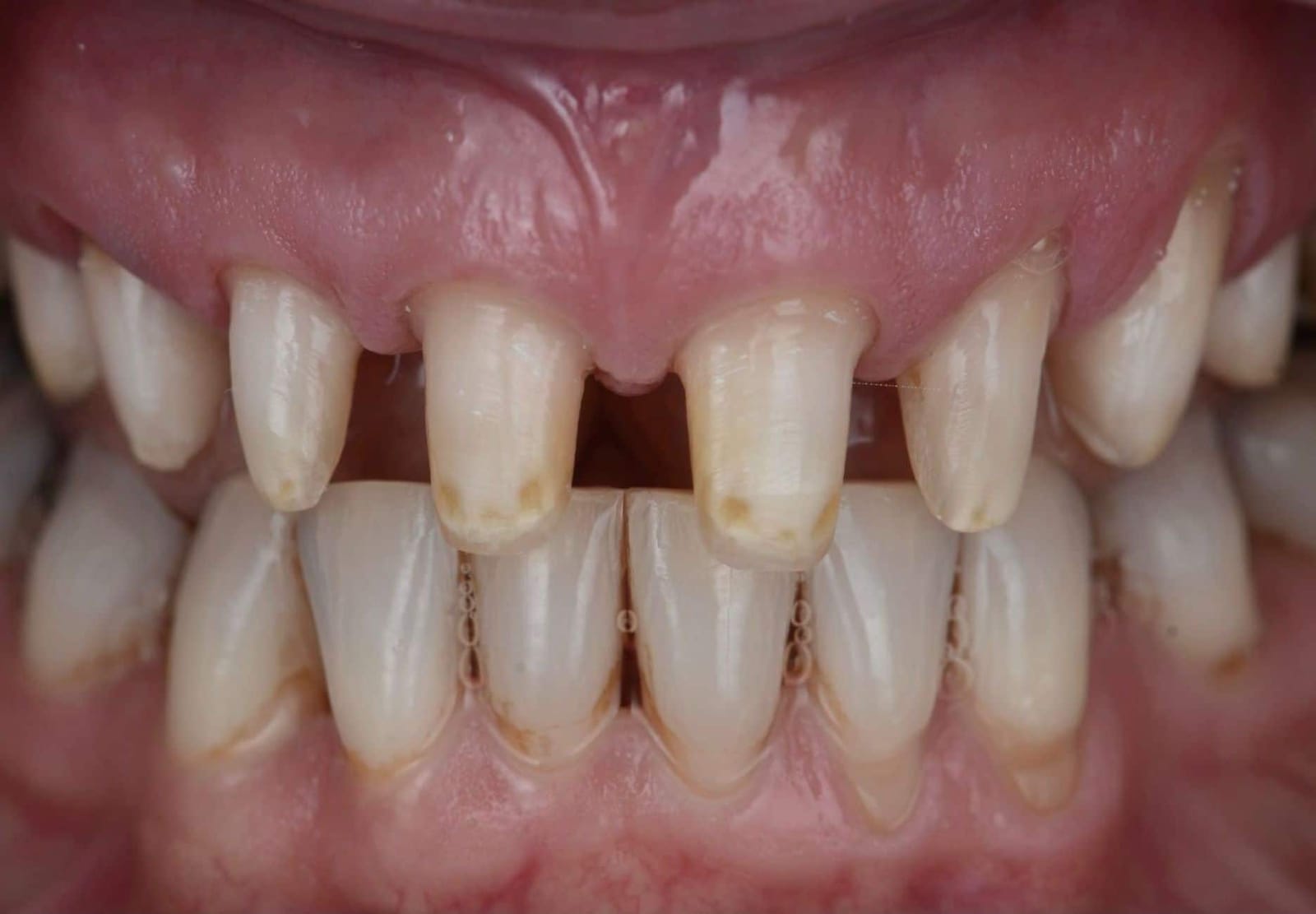
Retracted, on arrival
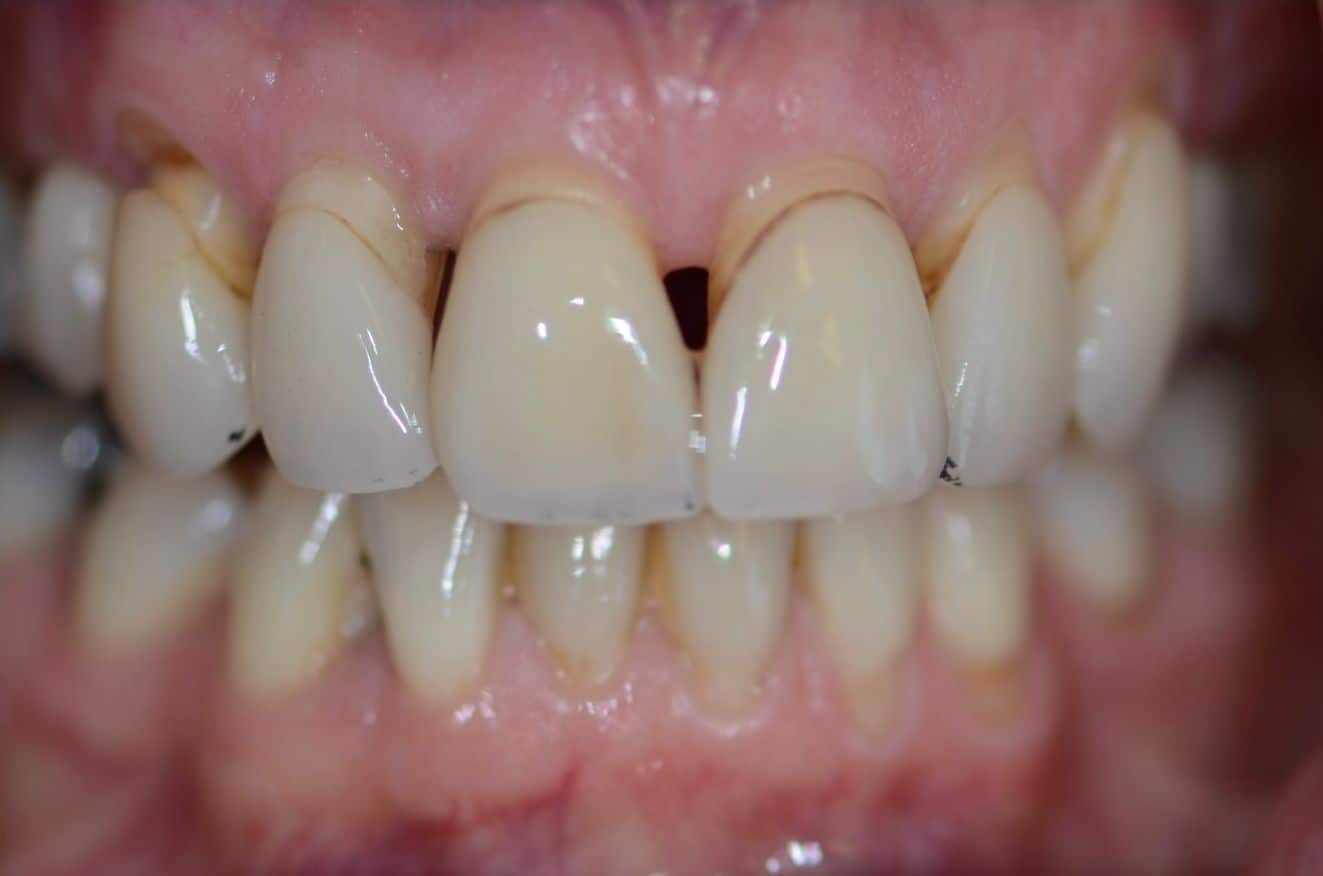
Most cases go longer. This one went shorter
Almost every aesthetic case adds length, because teeth wear down over a lifetime and returning the lost height is what restores a smile.
Hers needed the opposite.
Her teeth had extruded, moving out and down as the gum receded. So the plan was to push them back in and shorten the edges, and the design started by marking on a photograph where the edge of each tooth should sit.
That position is not a preference. It comes from her face: the height of it, the proportions of it, and the line her smile makes when she actually smiles, which is why it is established from photographs rather than from a model on a bench. Teeth that are correct in isolation and wrong for the face never look like anything but dentistry.
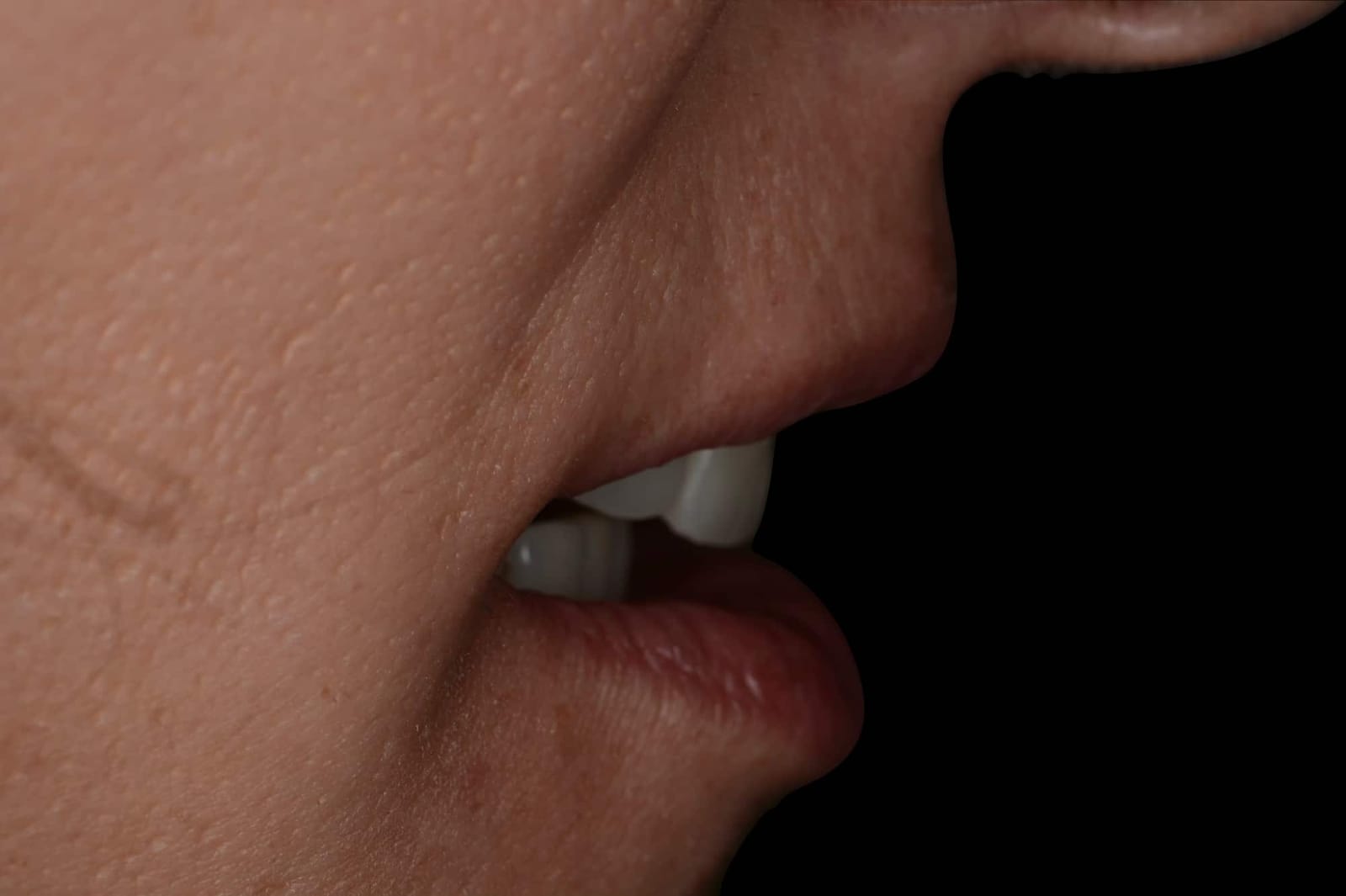
The design, decided first
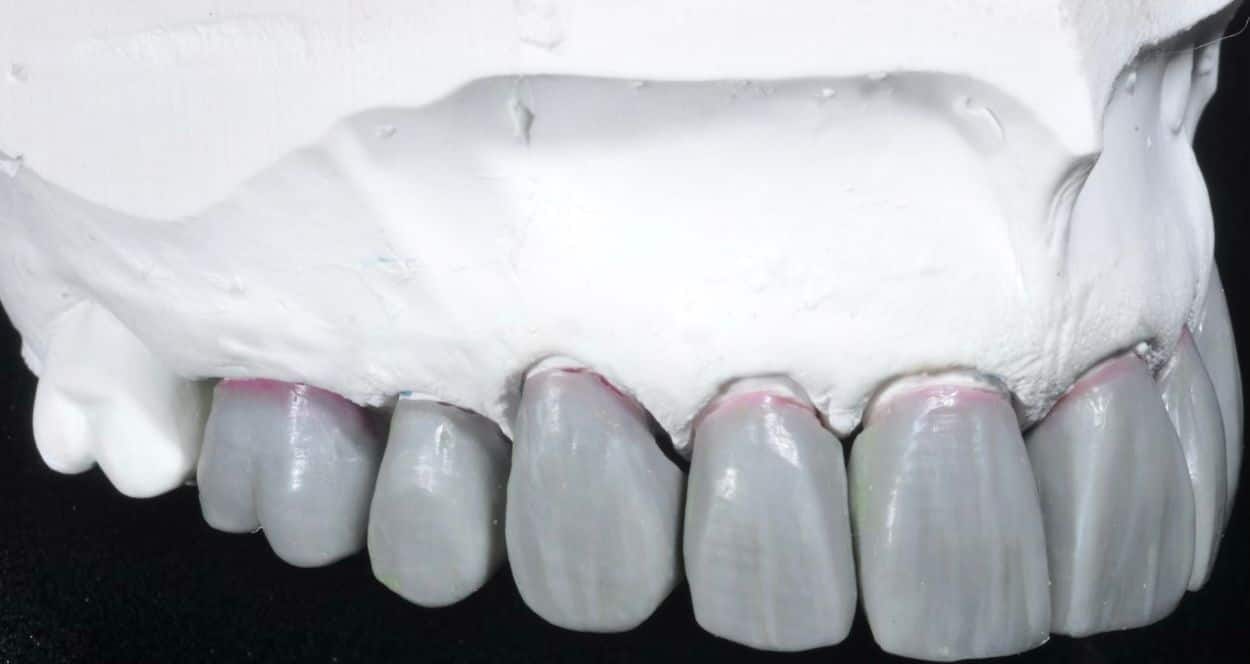
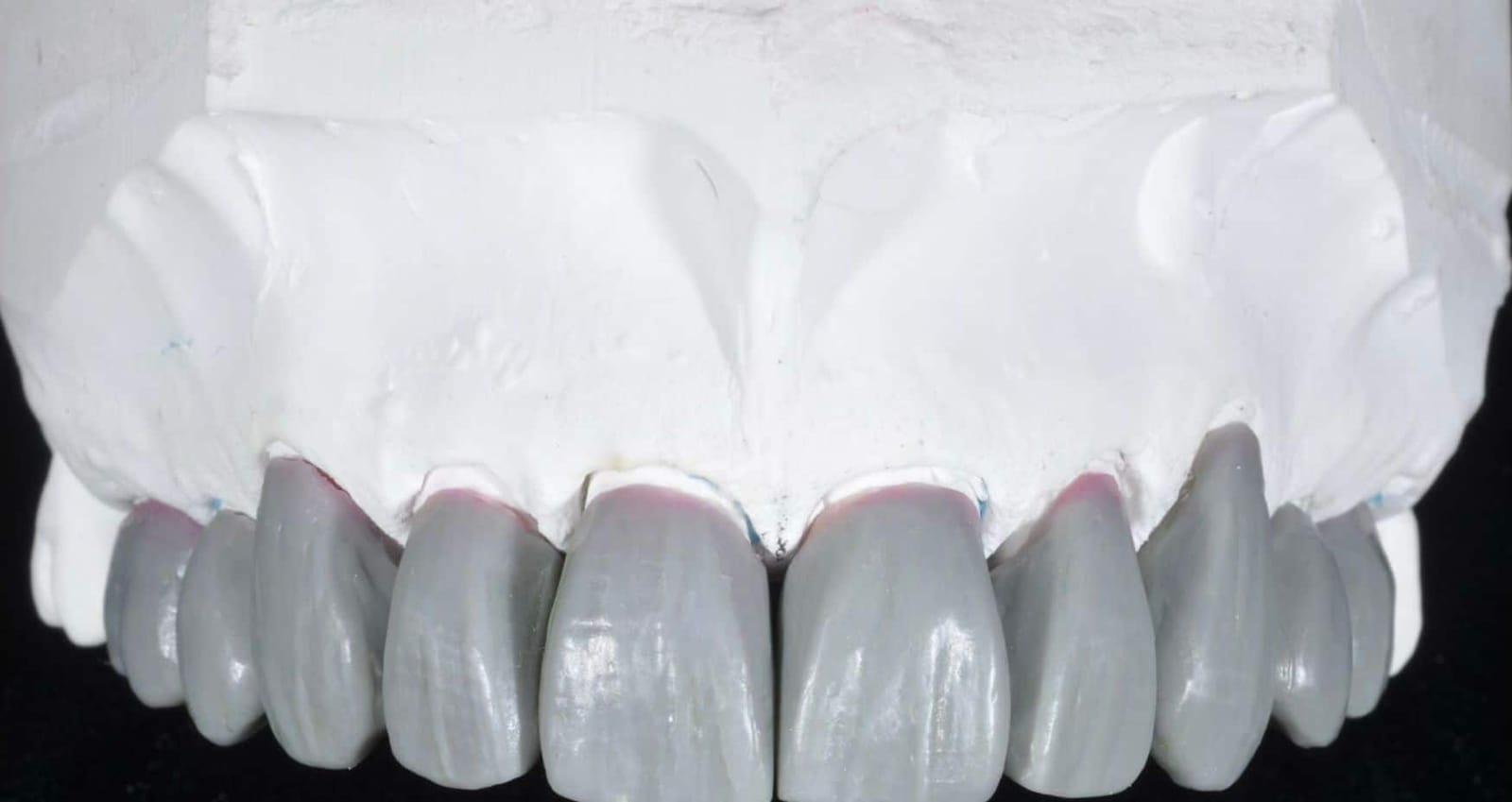
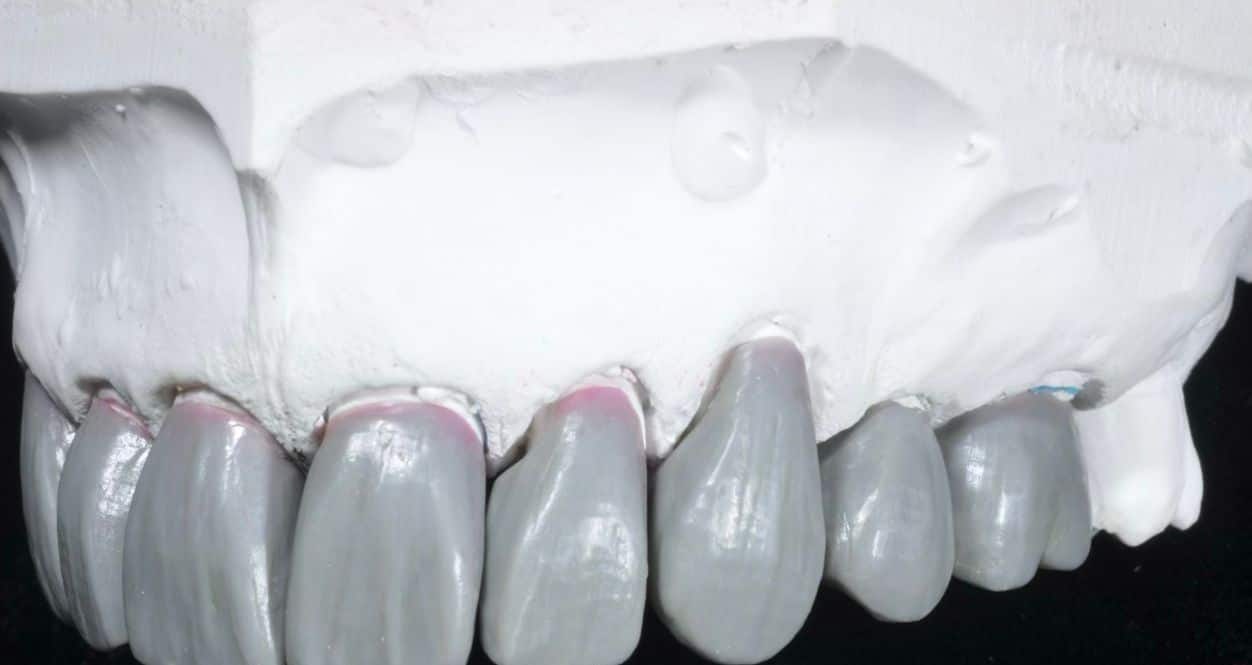
Aesthetics and mechanics, decided together
Shortening the front teeth did something beyond appearance.
Longer front teeth take more force, and they control how the jaw slides. Bringing the edges back reduces the load landing on them and settles how the lower teeth travel against the uppers.
So the same decision that made her smile fit her face is the decision that made it durable. That is usually the case, and it is why the two are never designed separately here.
She loves the new length, which is worth saying plainly. It is a length she never actually had.
Working on teeth already heavily crowned
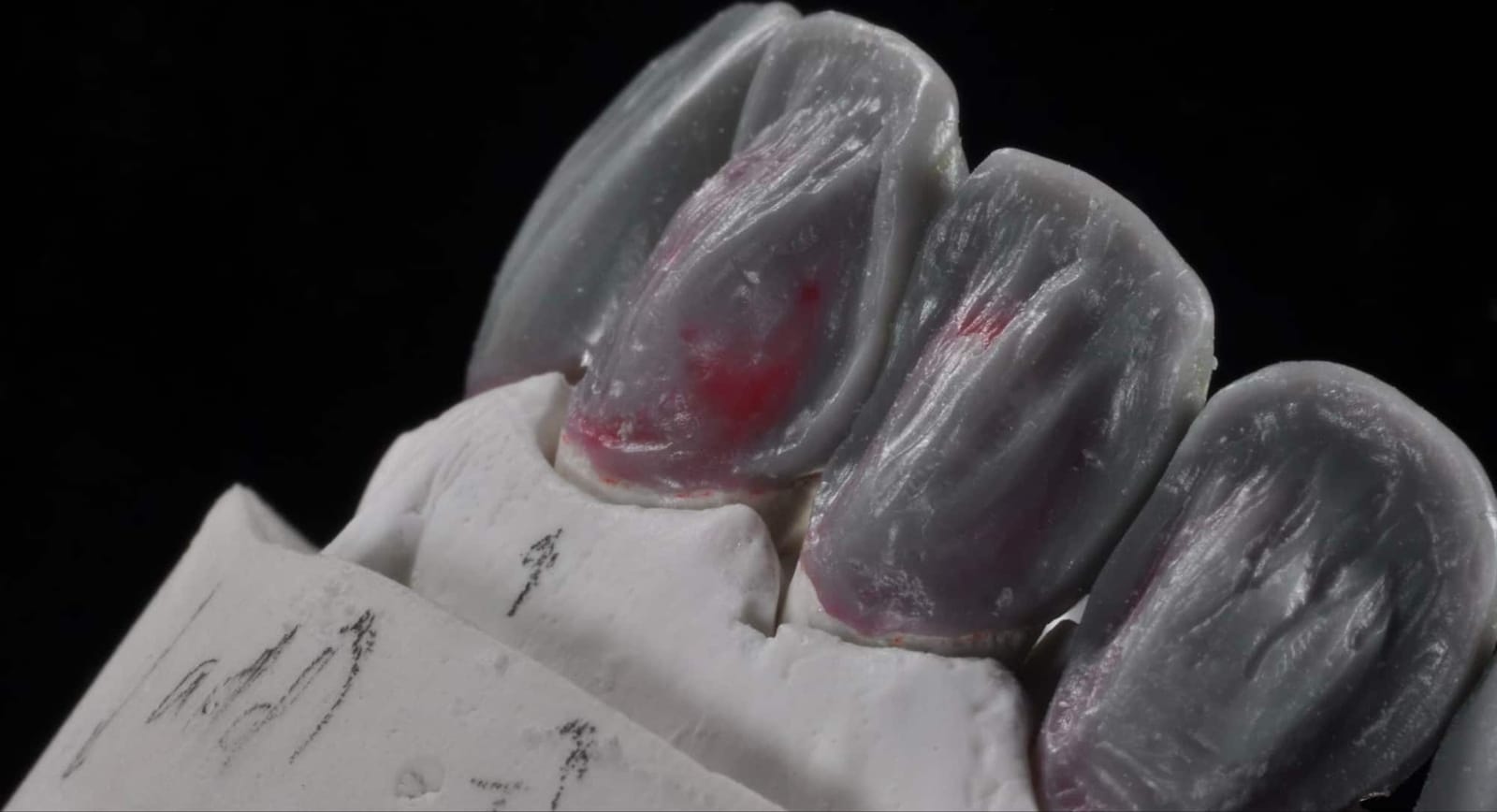
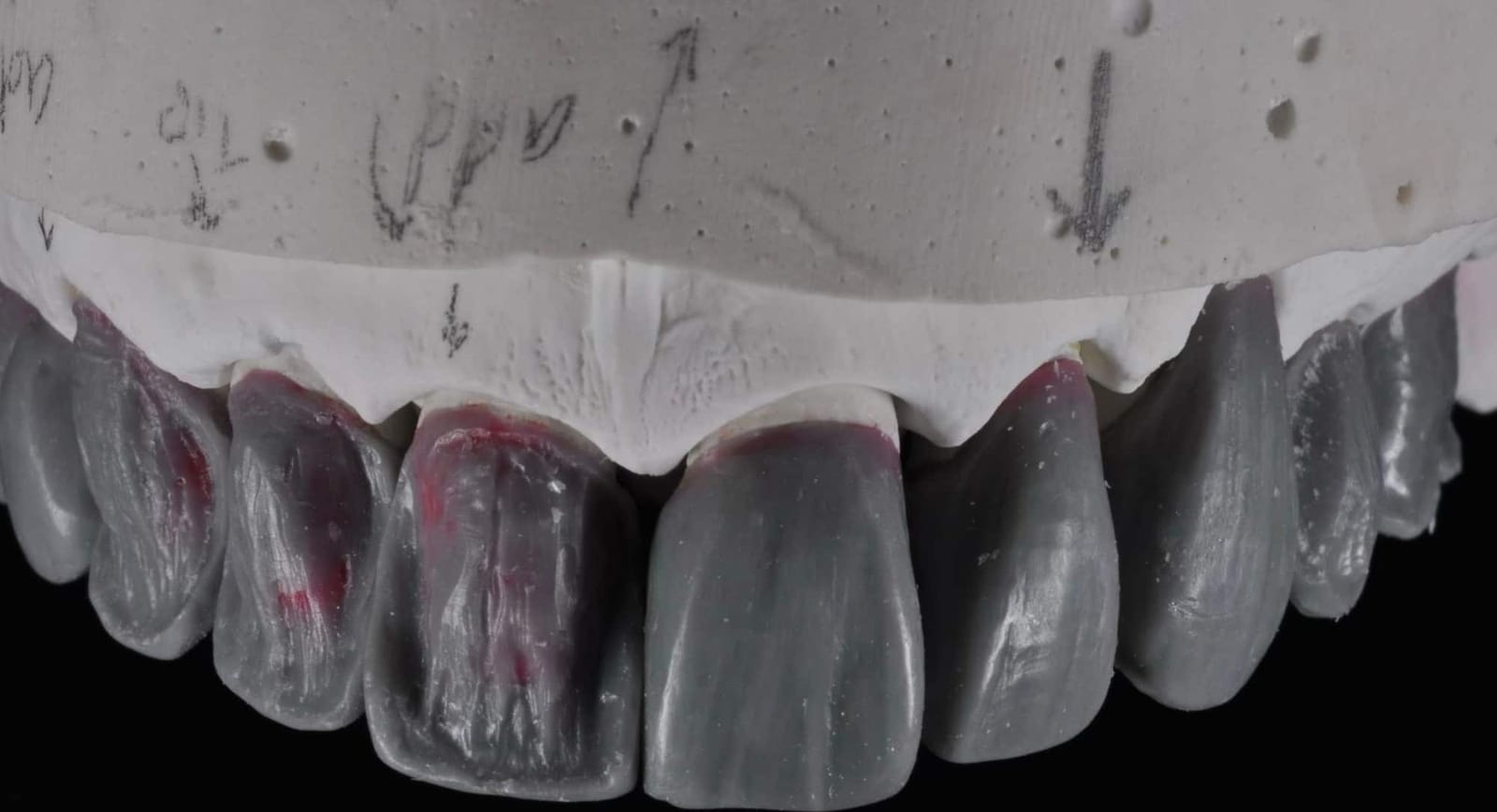
Her teeth were already heavily crowned, so the old crowns came off and the preparations underneath were refined, with new margins placed where the healthy gum now sits.
From there the design was carved in wax, and the wax converted into provisional restorations.
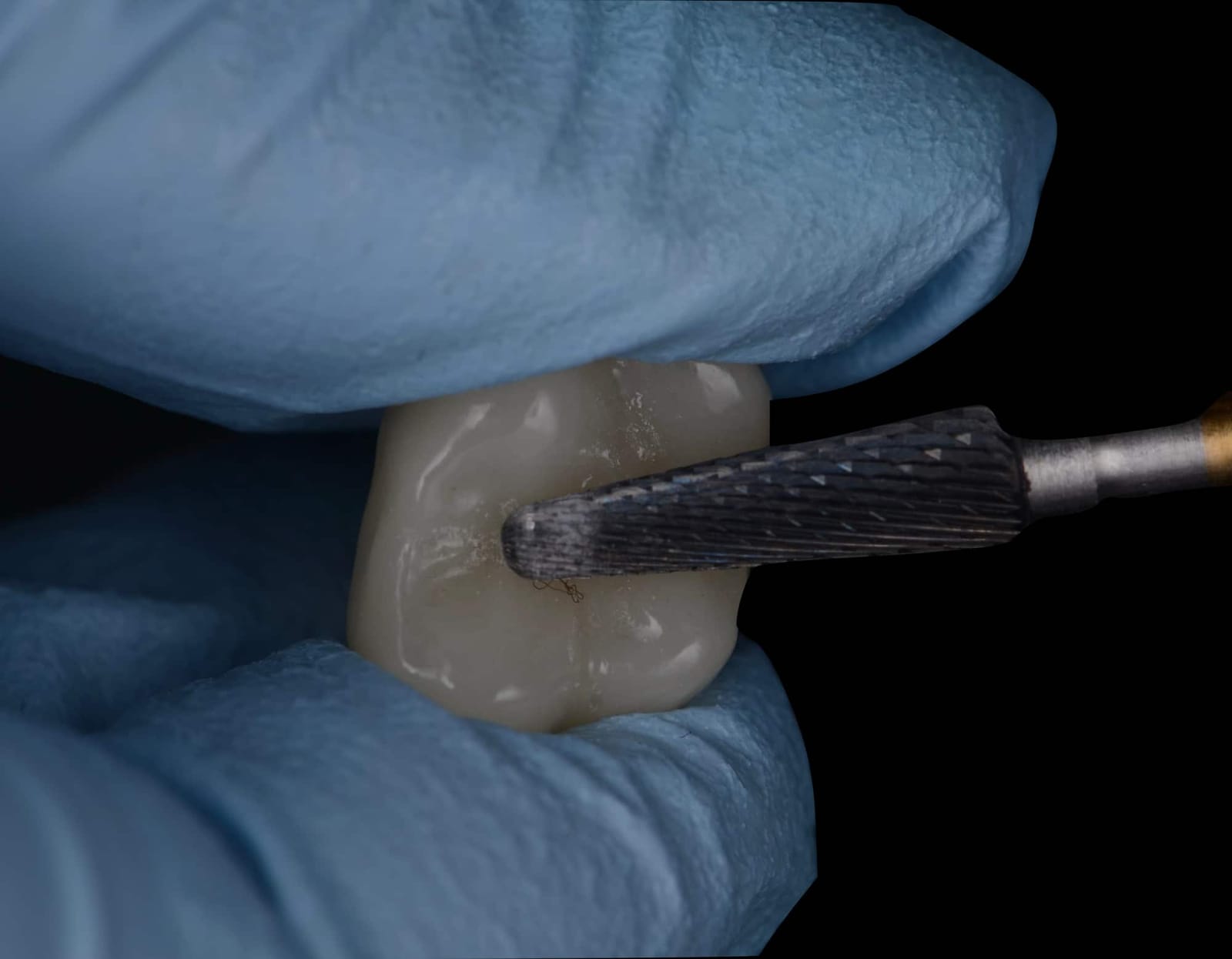
Controlled cut backs
Taken home, and lived in
She wore them, and that is the point of them.
She evaluated the form, function, aesthetics, phonetics, contours and emergence, from every angle, in her own light rather than in a chair. Her family saw them and had opinions, which patients want and rarely get to collect in time for it to matter.
Once she approved them, the provisionals became a template rather than a stage. They were scanned, and their dimensions transferred exactly into the finals.
Read from the face, not the bench
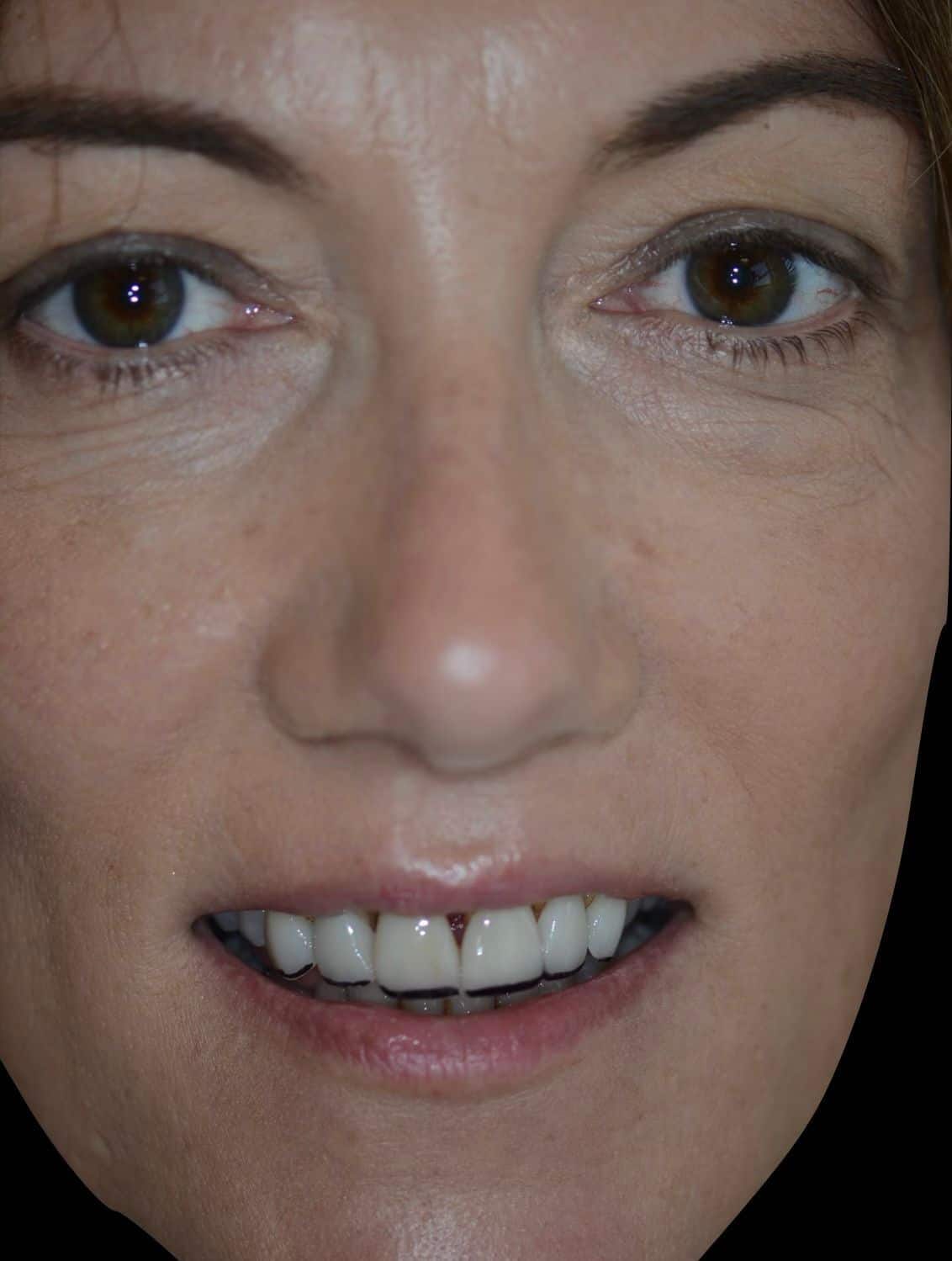
The provisional smile
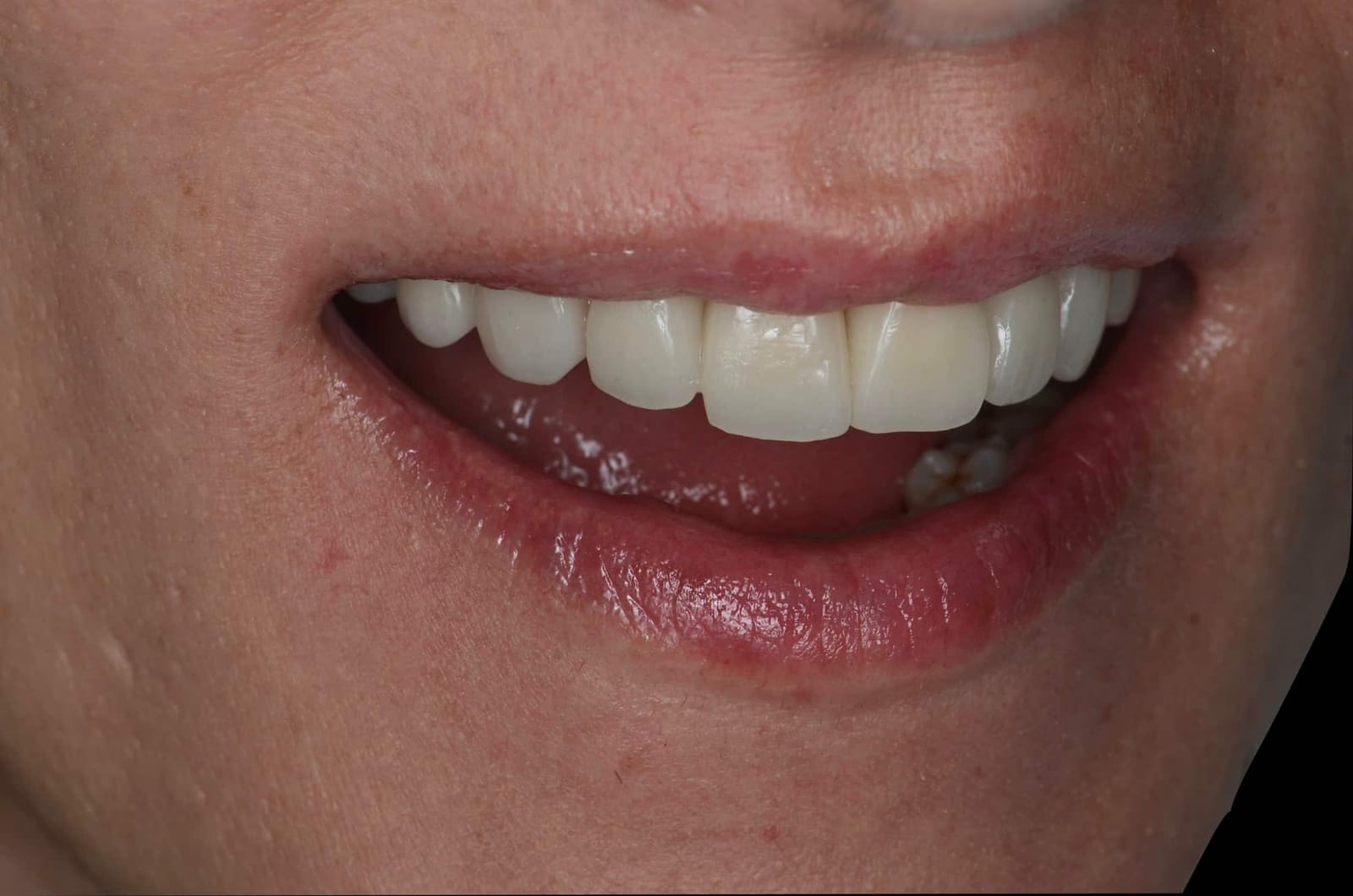
From either side
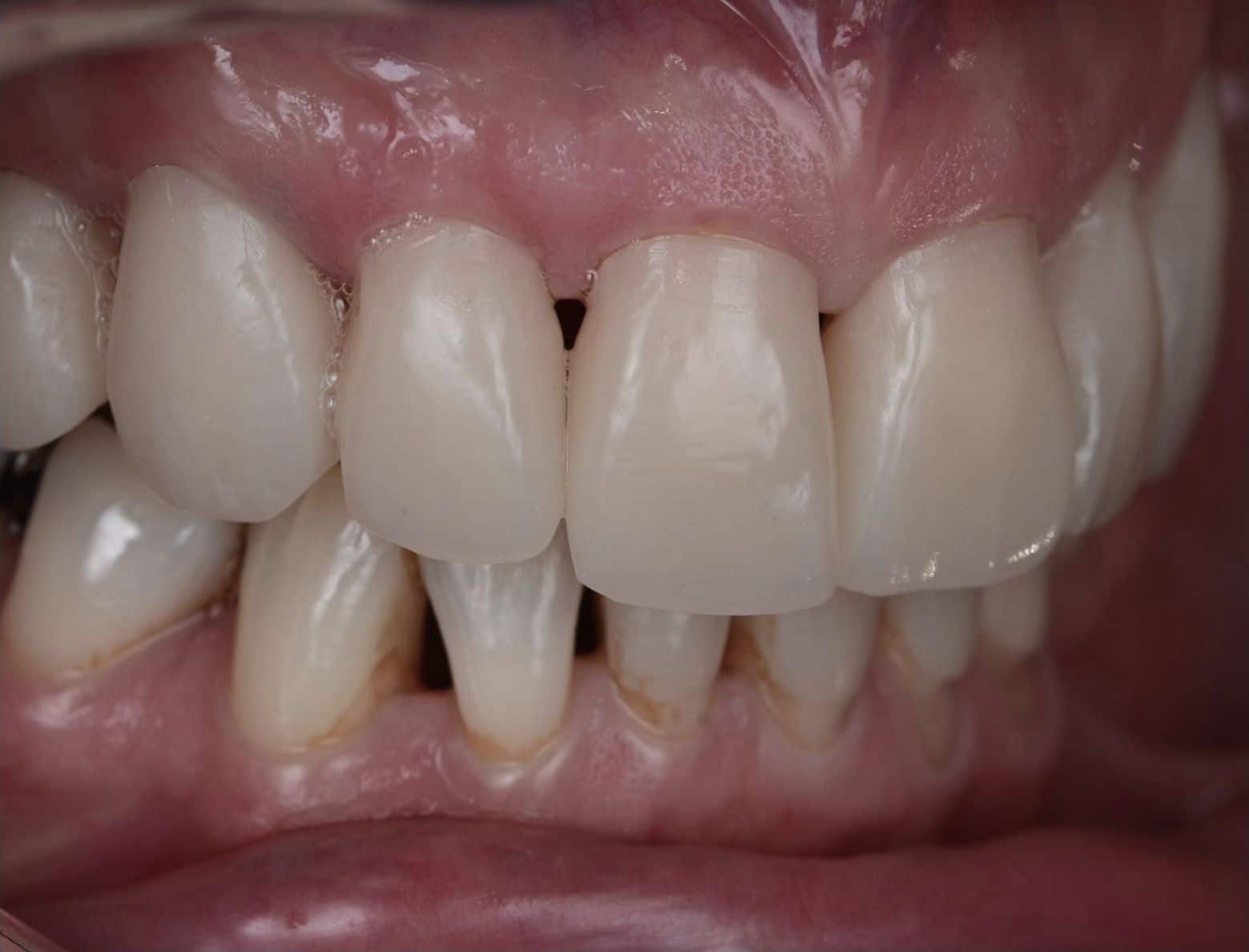
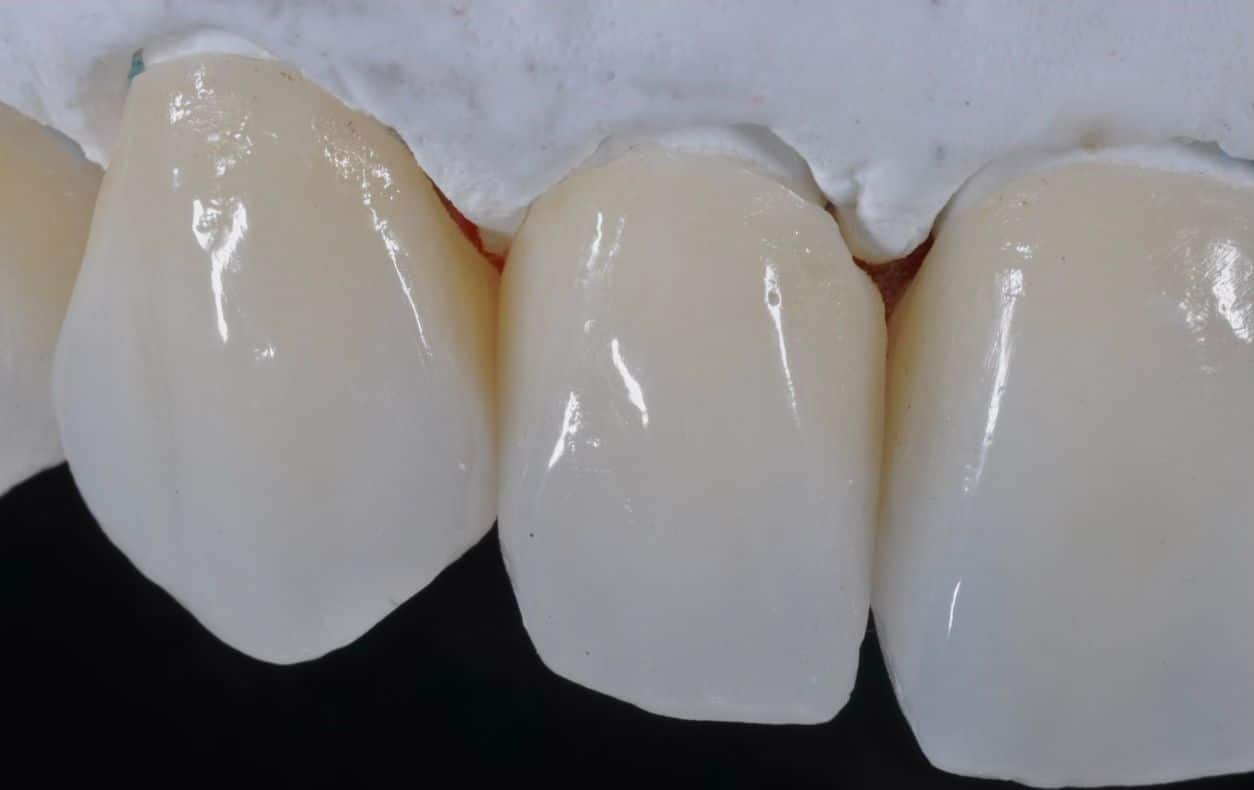
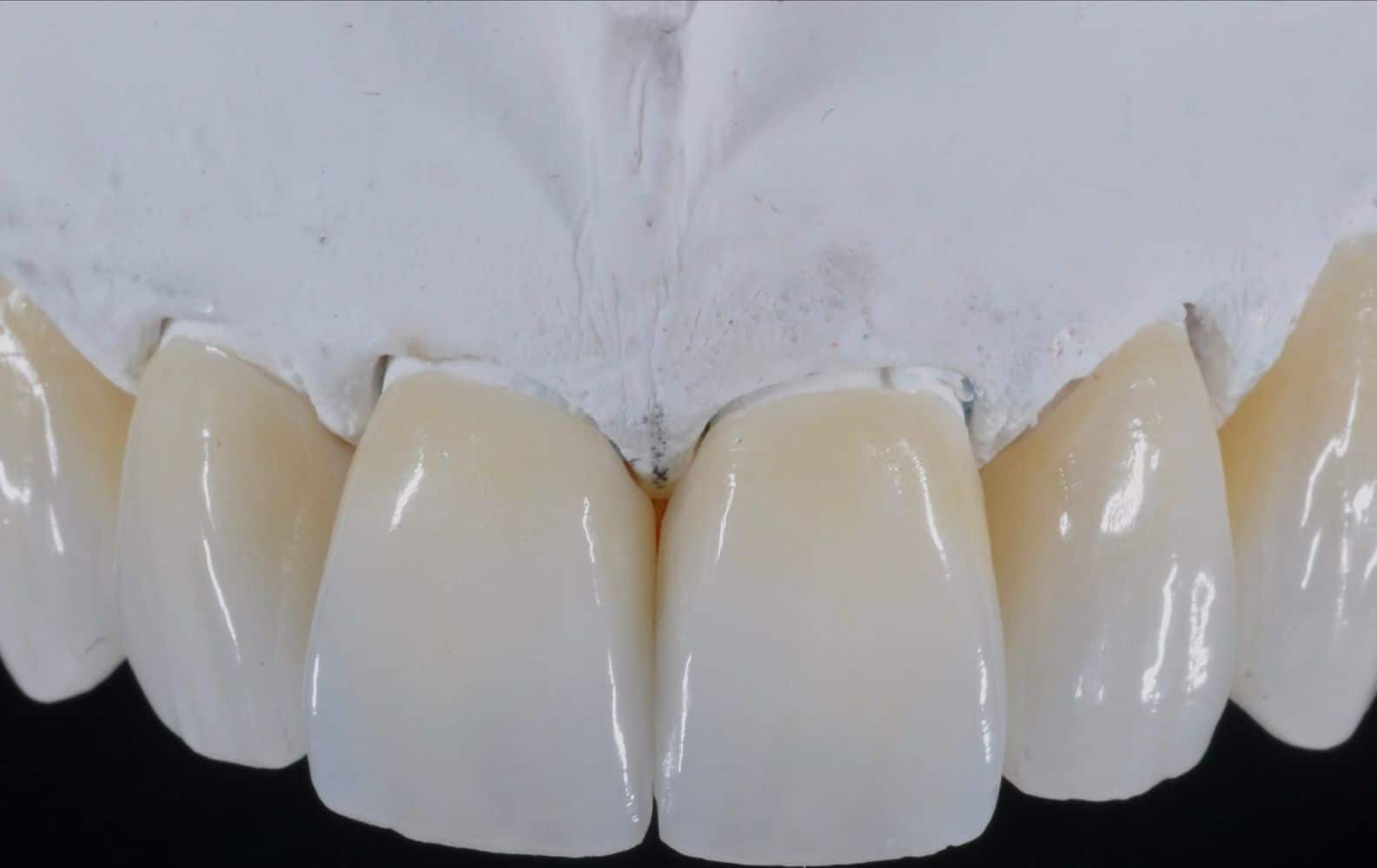
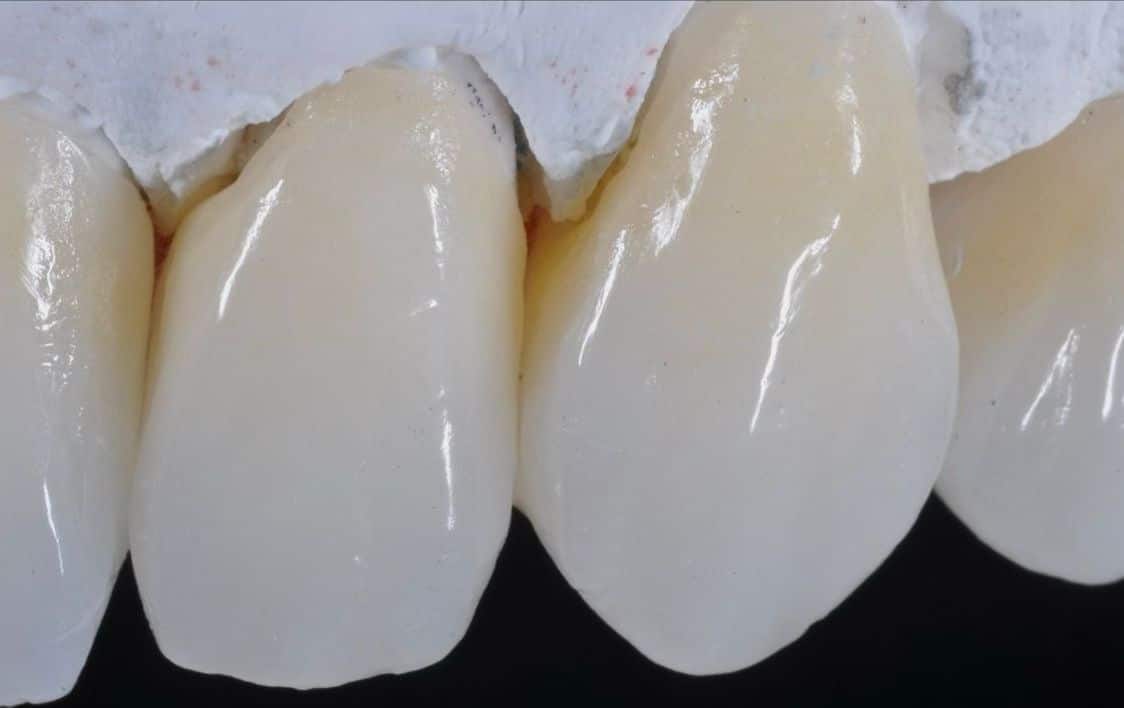
The provisionals, and the finals that copied them
Patient, clinician and technician in the same room
Aesthetics are difficult to describe and easy to misunderstand, which is why this practice does not describe them at a distance.
There is constant communication with the laboratory, and our technicians are in house and present for these discussions. Advanced photography and scanning carry the detail, but the reason the detail survives is that the person making the teeth has met the person wearing them.
Delivered without adjustment
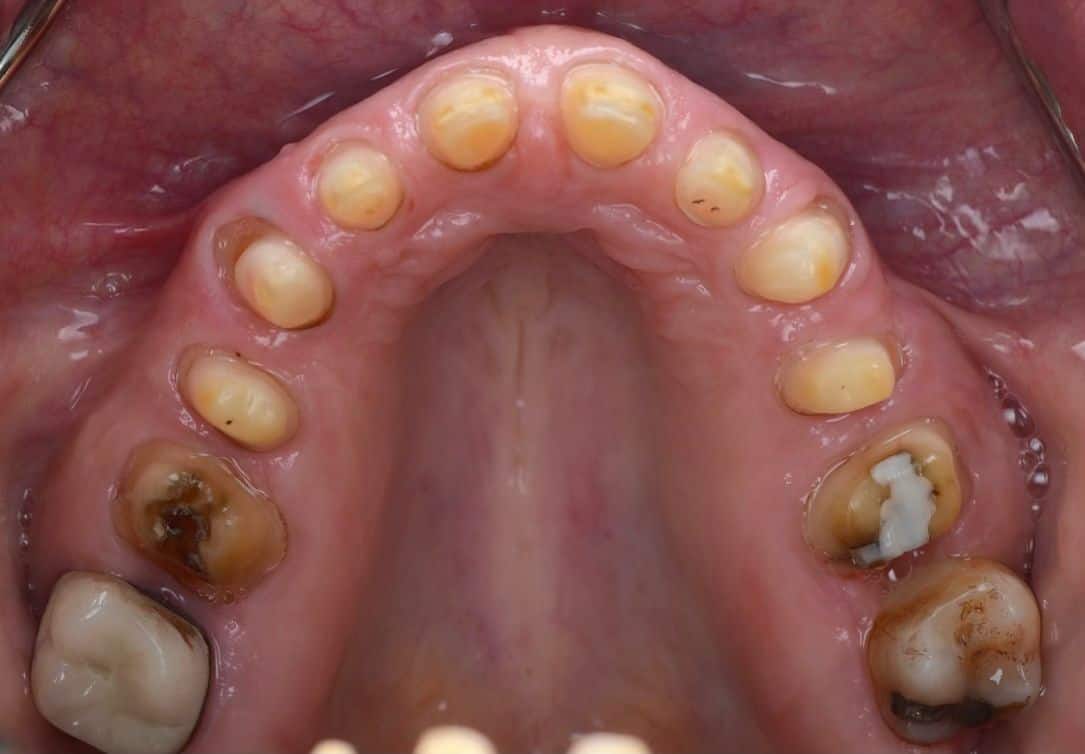
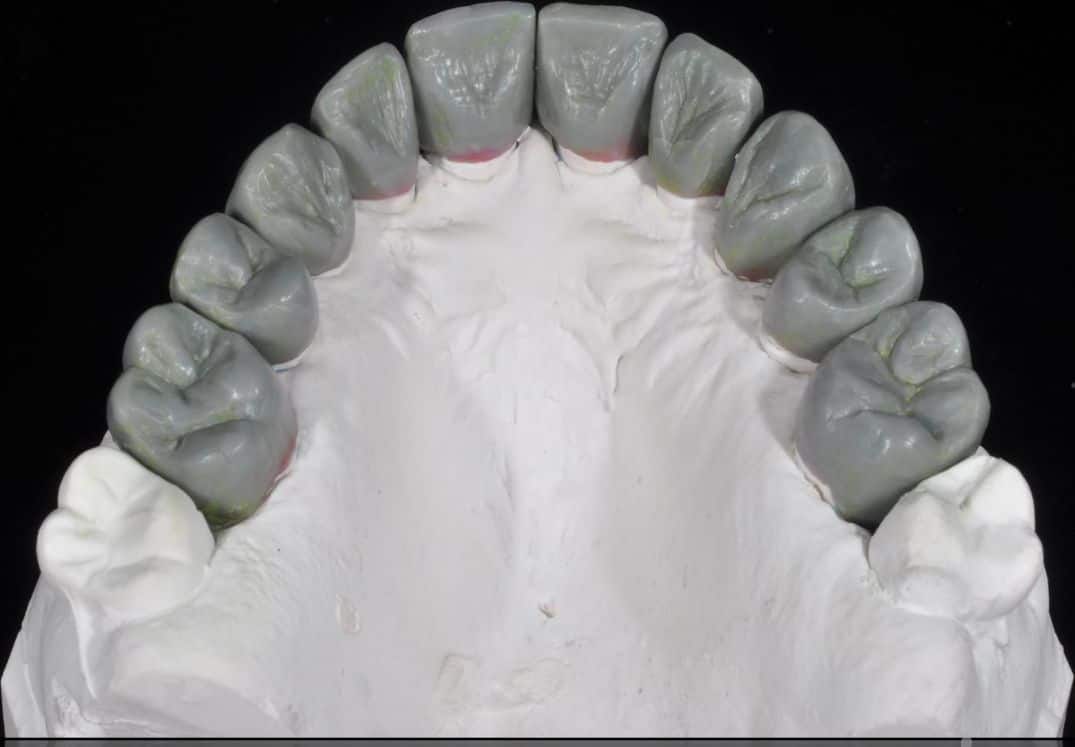
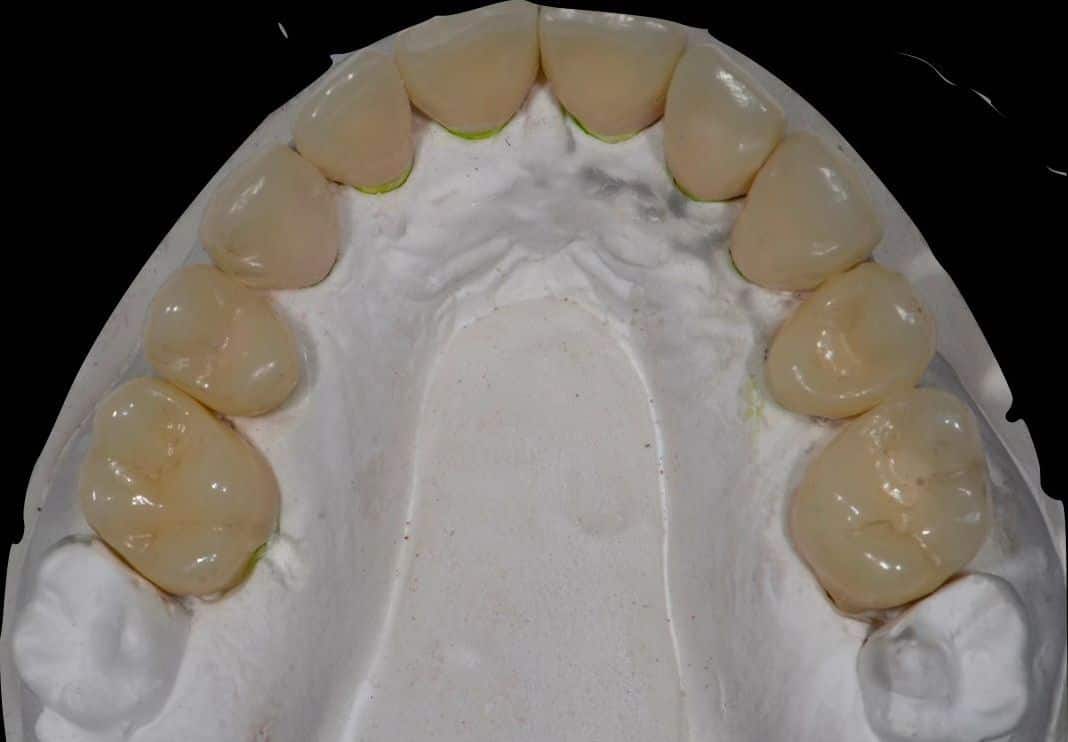
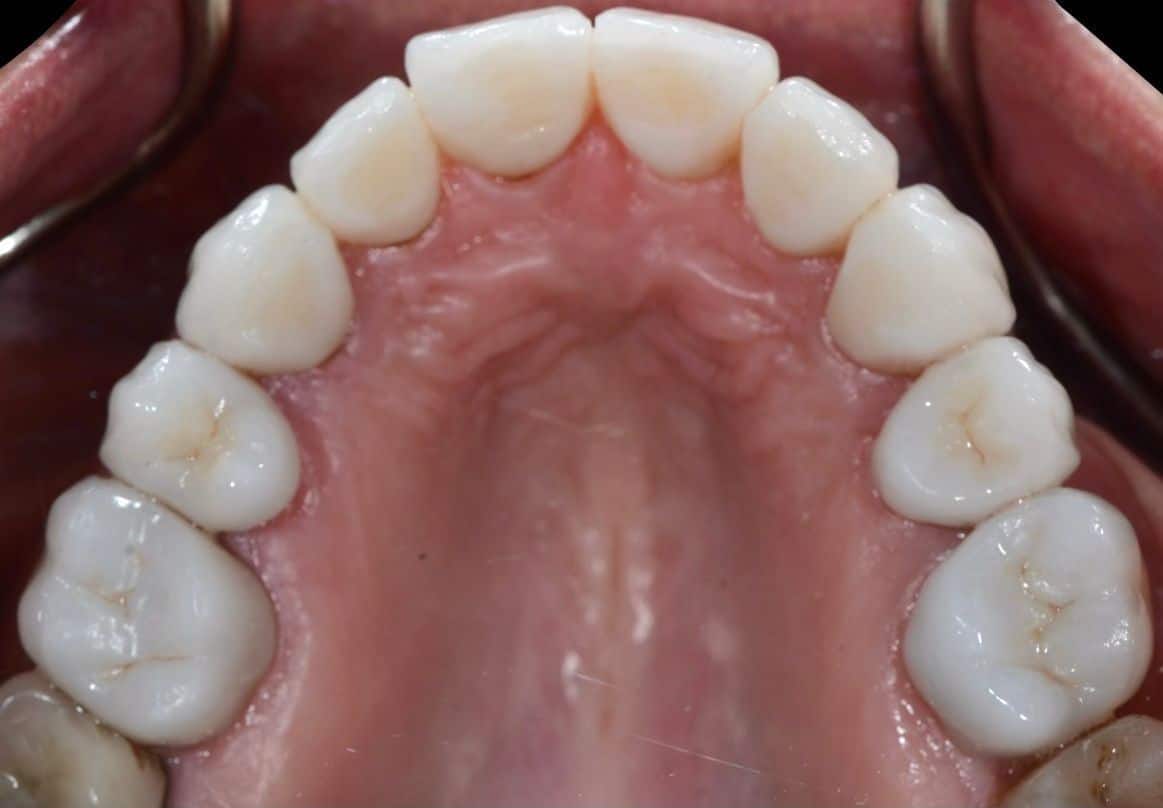
Put the sequence side by side. The starting point, the wax up, the provisional prototype, the final restoration.
They match. The plan made at the beginning is the thing that went in at the end, and the finals required no adjustment at delivery.
That is what control looks like. It is not luck, and it is not a good day in the laboratory. It is the result of deciding everything before anything is made permanent.
The starting point, the wax up, the prototype, the final
Over a decade of it
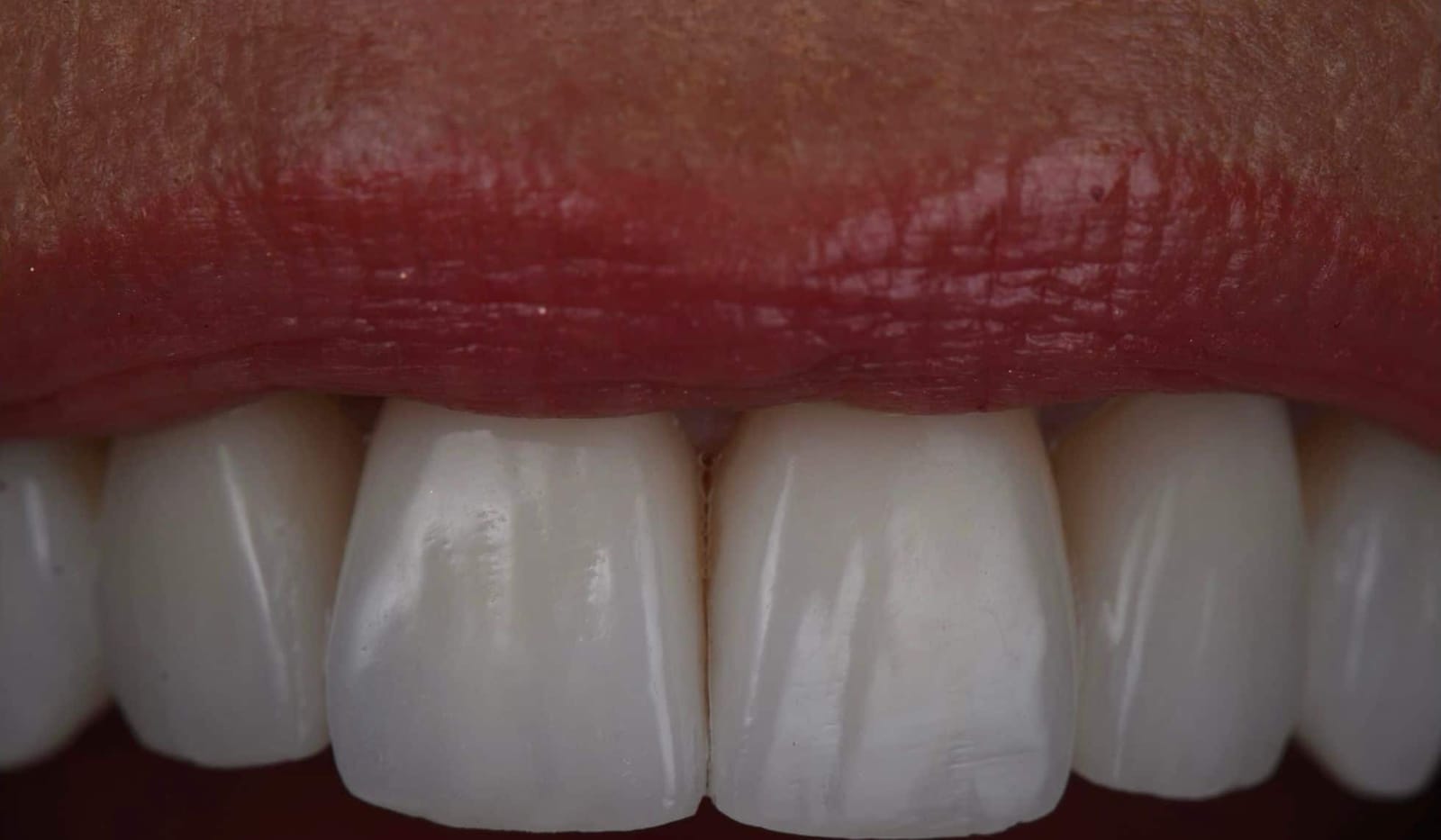
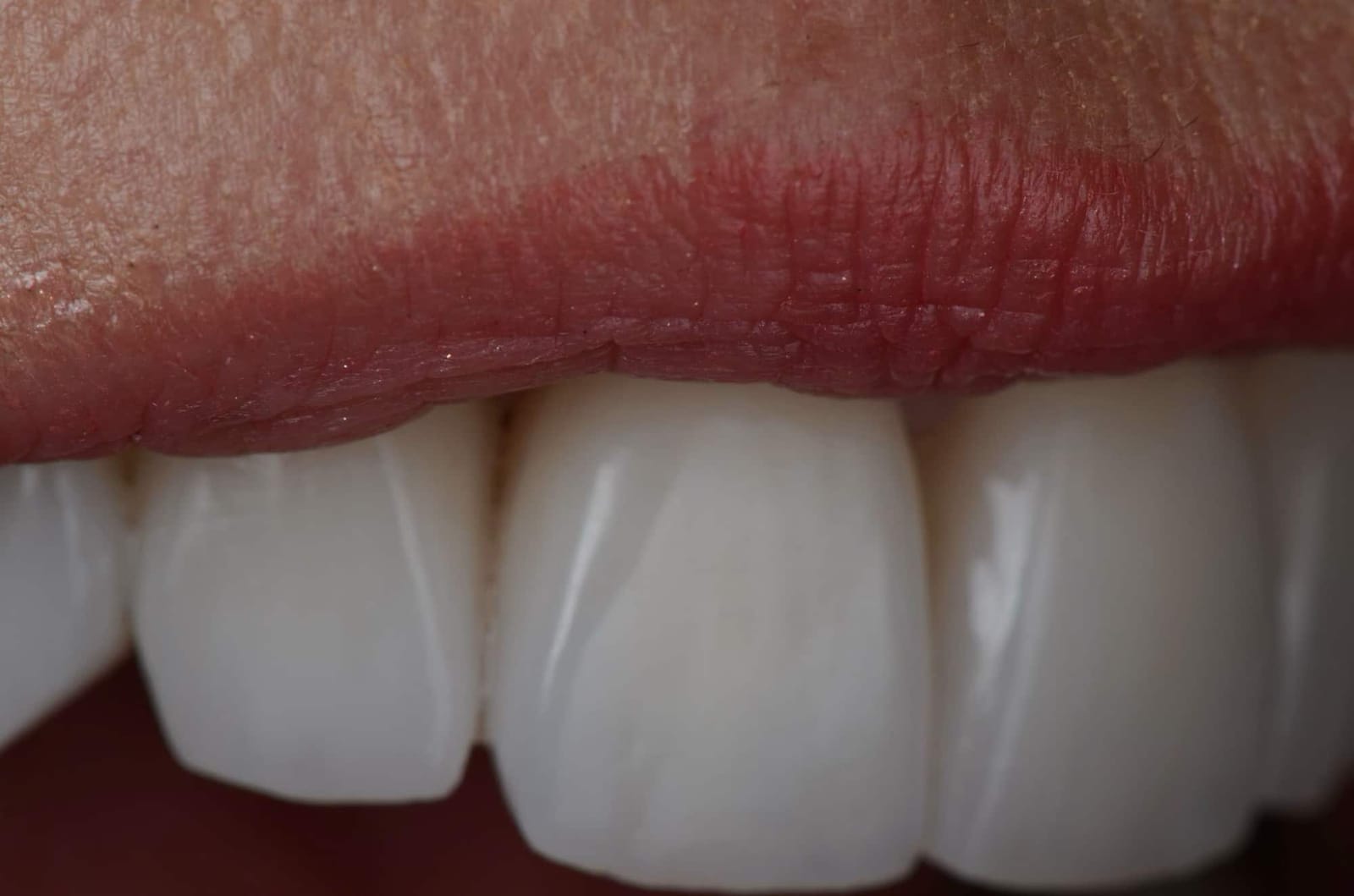
The dark triangles are closed. The teeth are proportionate to her face. The ceramic is layered so the teeth carry depth rather than sitting flat, and the surfaces are designed for how they slide against each other.
She has been wearing them for more than ten years.
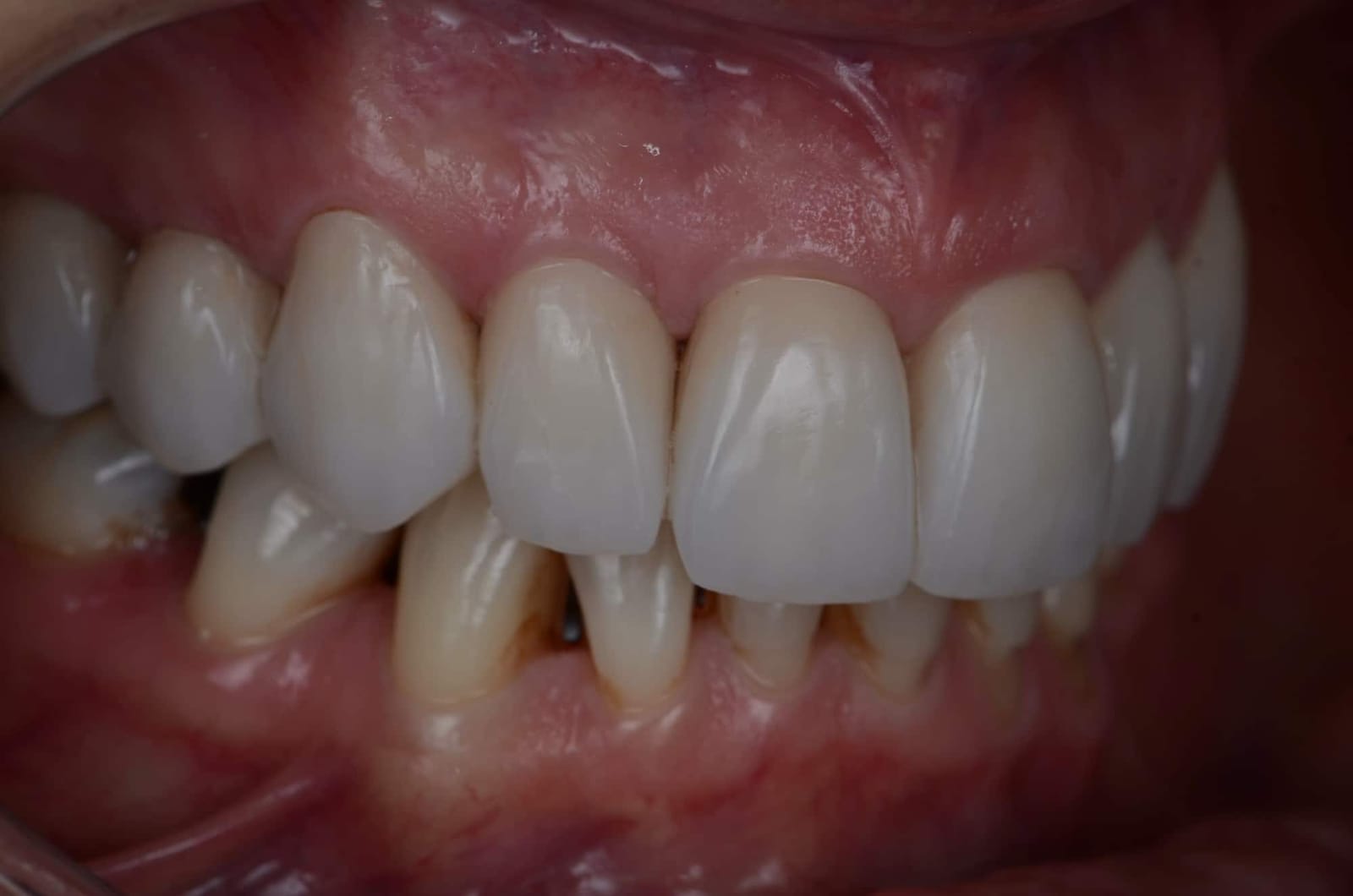
The finals
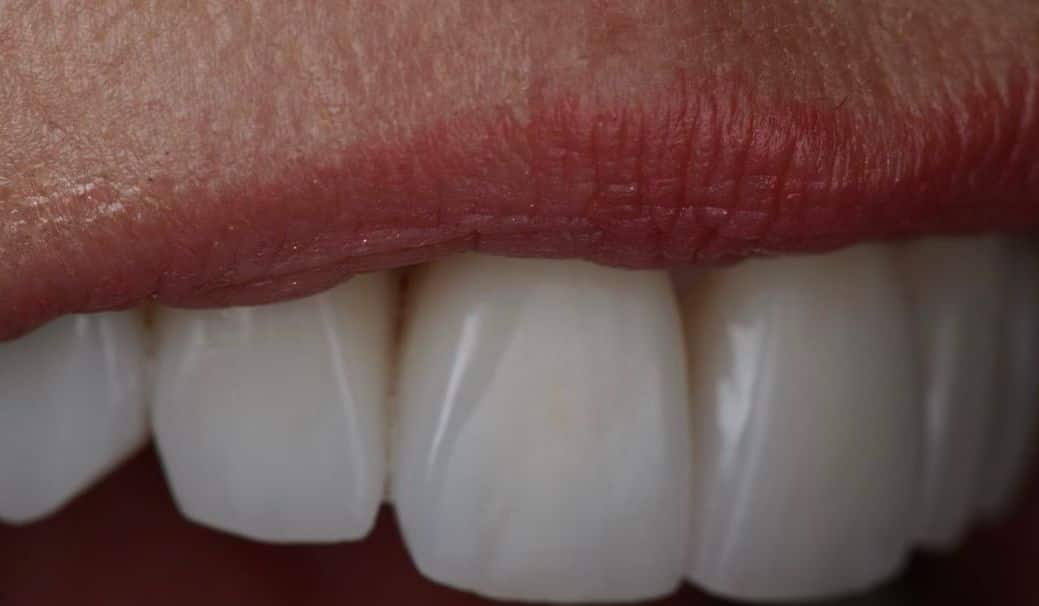
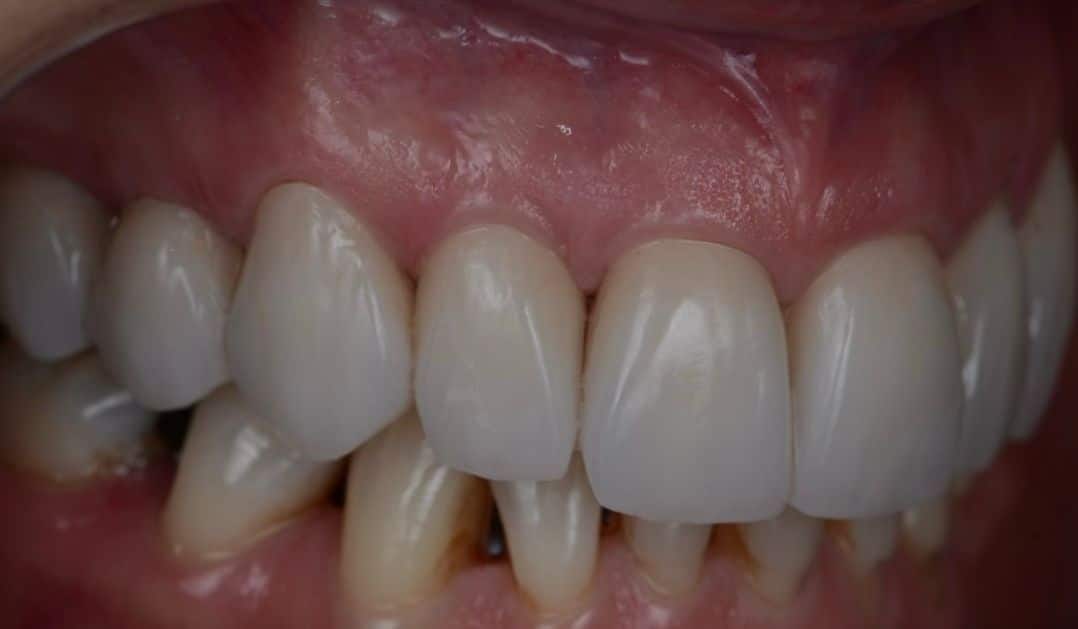


Before and after
Knowing which direction to go
The instinct with worn or uneven front teeth is to lengthen them. Here that instinct would have been wrong, and would have produced teeth both unnatural in her face and overloaded in her bite.
Knowing when to add and when to take away, and reading that from the face rather than from the teeth, is the judgment the training is for.
Every case is planned around one person's anatomy. Individual results vary, and what was right for this patient may not be right for you.